What do we do?
Five lines of work structure the Foundation's daily operation. The first four are those listed in Article 12 of the bylaws as priorities for resource allocation. The fifth — territorial coordination — is the condition that makes them sustainable over time.
The philosophical detail of why we do this lives in the Manifesto. This page describes what we actually do day to day, the metrics we work with, and the gaps we acknowledge when a data point is not yet available.
Five lines of work
What we actually do
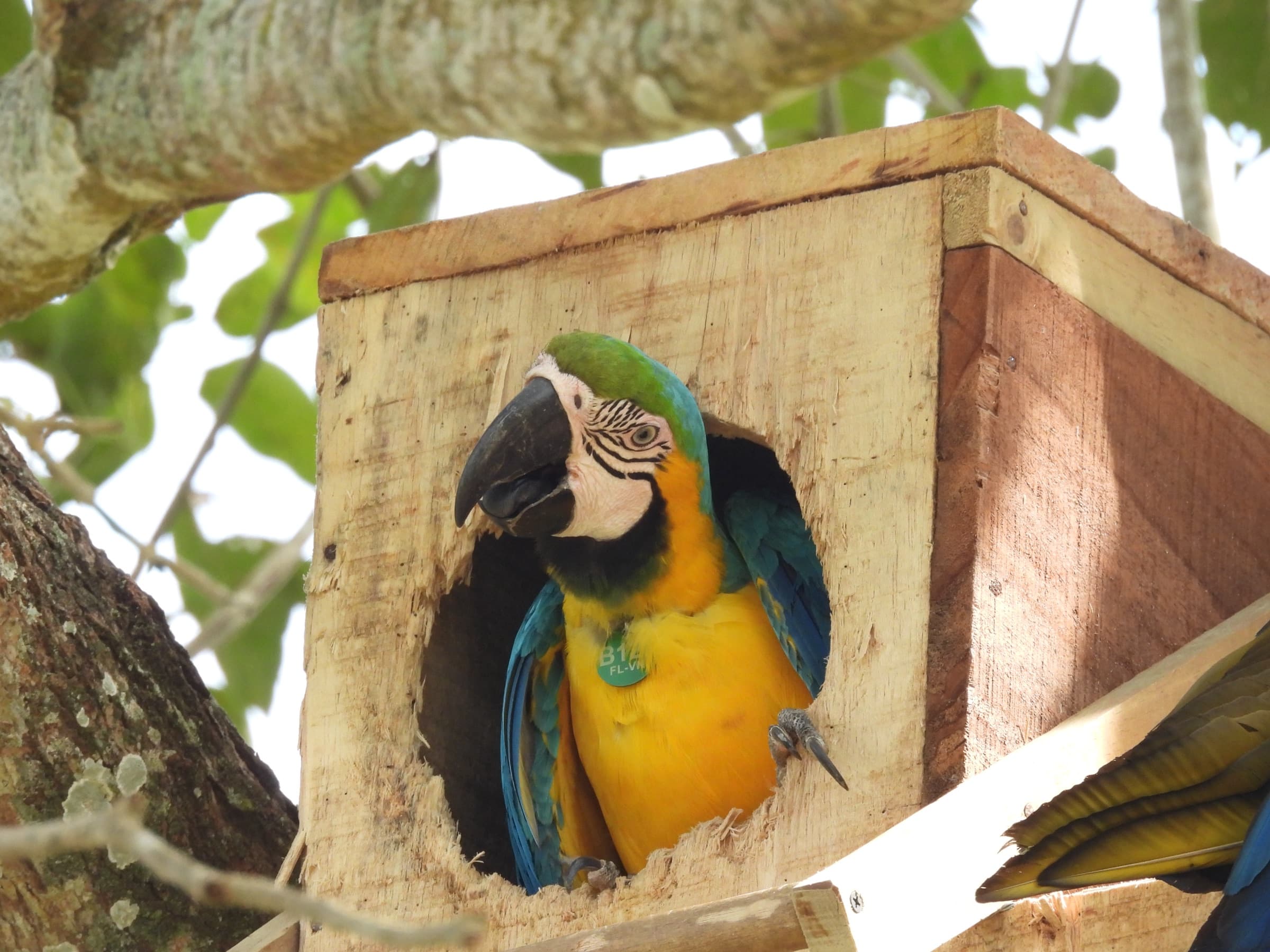
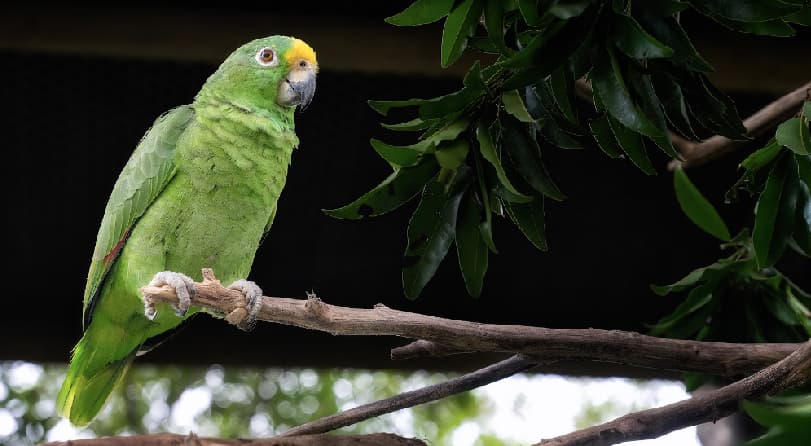
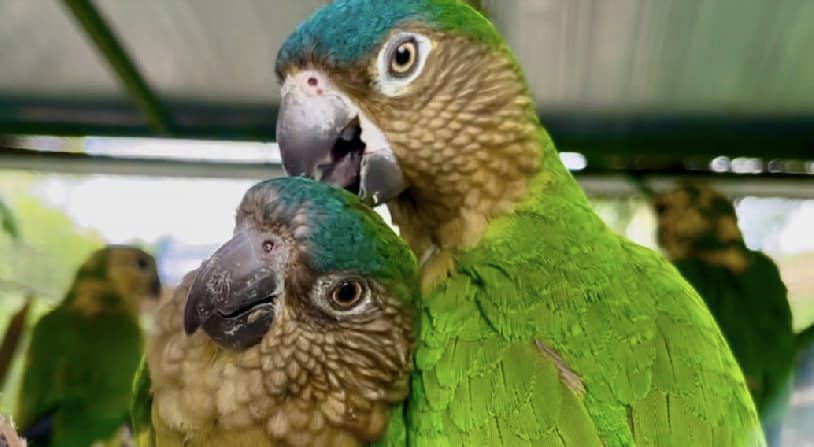
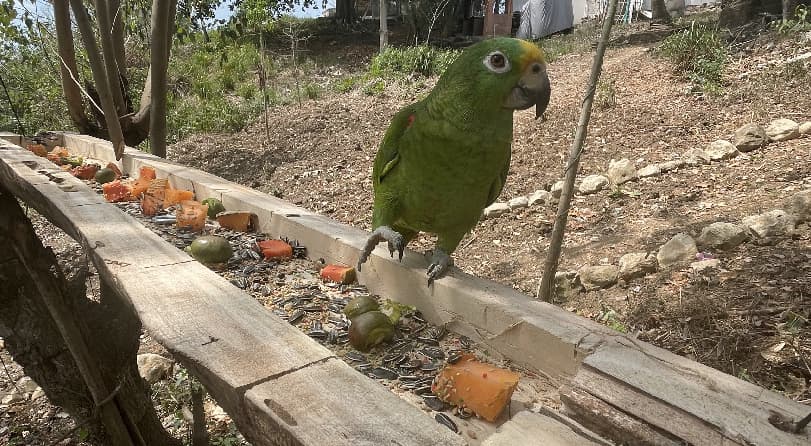
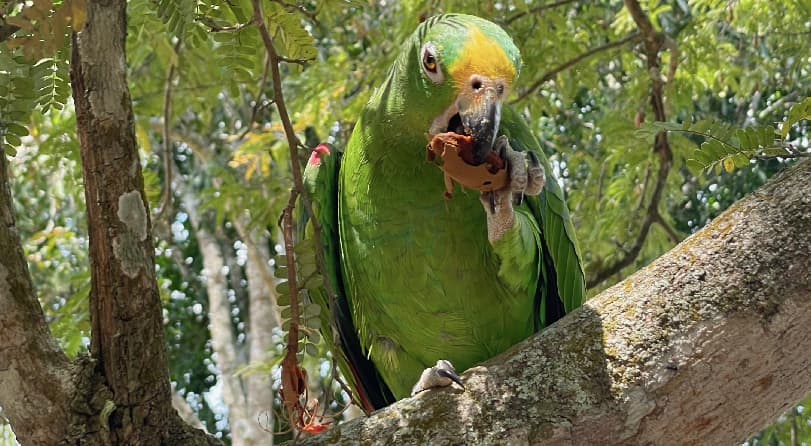
Rehabilitation and reintegration of psittacines
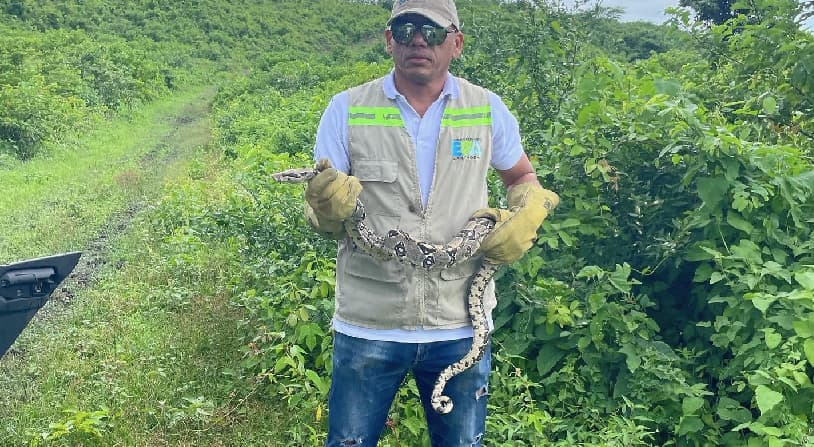
We receive individuals from seizures (CARDIQUE, EPA, and other authorities), voluntary surrenders, and targeted rescues. Each animal goes through veterinary evaluation, social group formation in pre-release aviaries, and a soft-release protocol with post-release monitoring.
The guiding criterion is the animal's destination hierarchy under Article 7: full reintegration → semi-freedom → rehabilitative custody → indefinite care only when no other viable option exists.
Tropical dry forest restoration
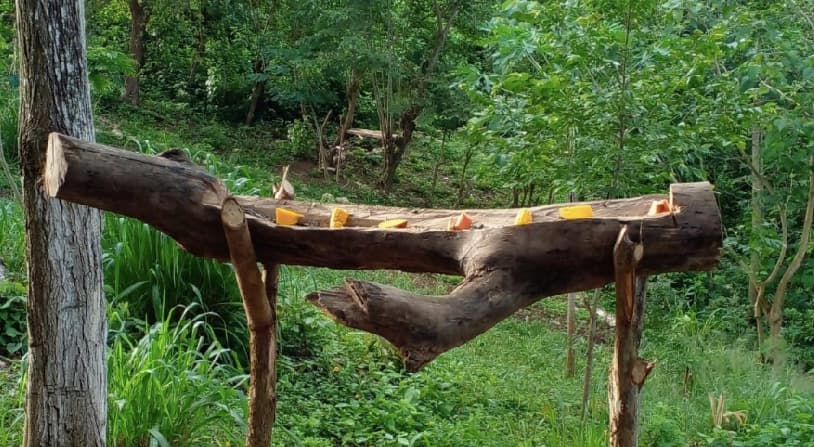
We run a nursery with native species (caracolí, palma de vino, ceiba, búcaro, mamón, níspero, mango), install artificial nests and hanging feeders, and work with neighboring landowners on biological corridors and water buffer zones.
Current 2026 goal: 100 nests installed in the tropical dry forest. See Nursery, Donate a nest and Donate a feeder.
Research and monitoring
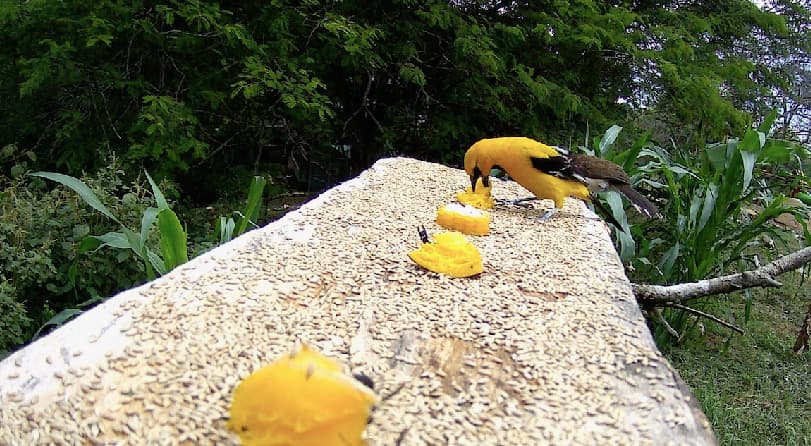
Monitoring built on four pillars: visible-band tracking, which lets us report individuals without recapturing them; wild feeding monitoring at native trees and feeding stations; citizen science with tourists, volunteers, rangers, and allied farmers; and university agreements for joint monitoring and publishable protocol development.
This line opens the door to national and international scientific cooperation, and feeds the protocols for future reintroductions.
Environmental education and community
Educational programs for schools, universities, local communities, international volunteers, and businesses. Literary contest El Espíritu de los Loros, which collected over 230 stories from Colombians about their connection with wildlife.
Production of educational content (blog, Journal, classroom materials). Details by audience in Programs.
Territorial outreach
Agreements with environmental authorities (CARDIQUE, EPA Cartagena), loan contracts with guardian farmers, and environmental management agreements with neighboring landowners for biological corridors.
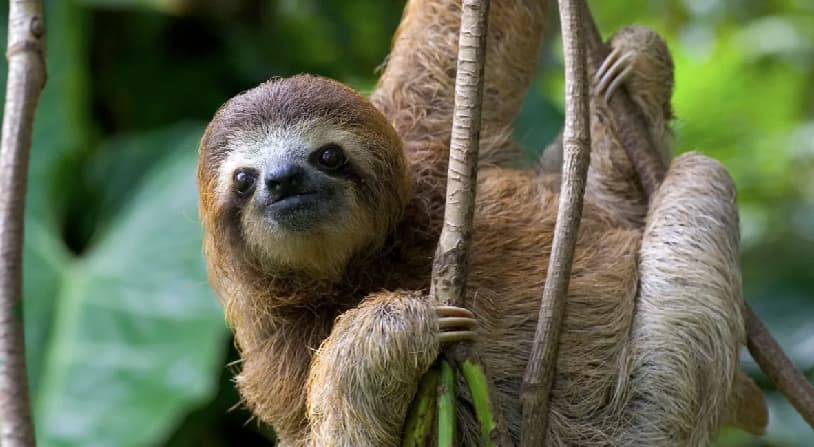
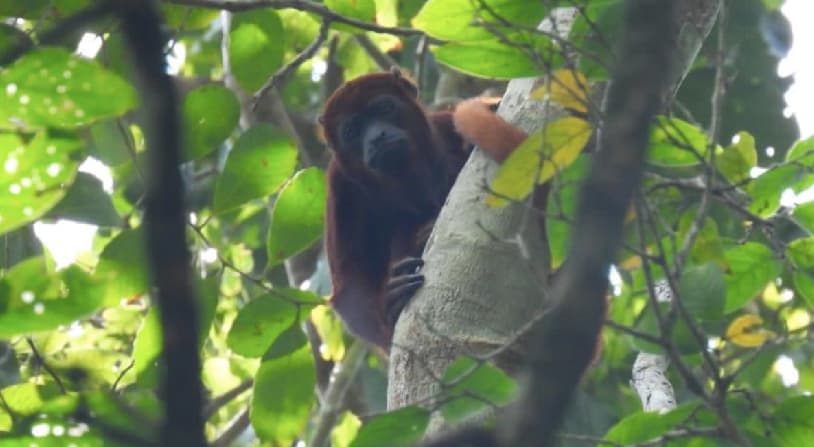
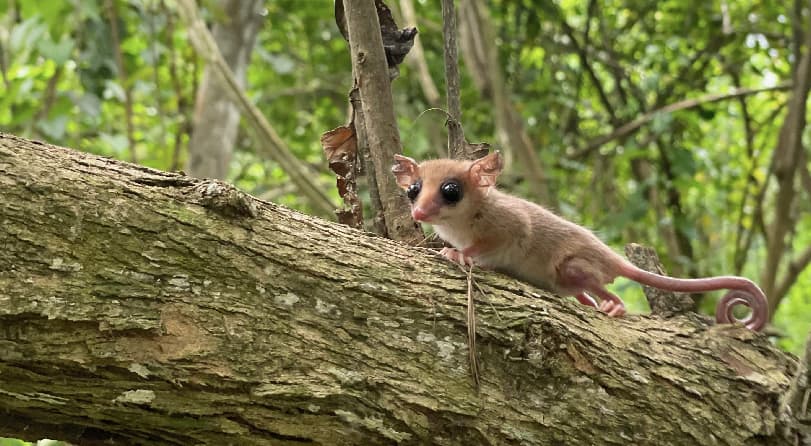
Cross-support for Saguinus oedipus and other tropical dry forest species, within the ceiling set in the bylaws for activities outside the main mission.
Measured release
Institutional figures
60 ha
Operational property
Finca El Paraíso · Villanueva, Bolívar
2022
CARDIQUE Registration
Resolution No. 1972 · Wildlife Friends Network
100
Artificial nests (2026 goal)
In installation during the current cycle
230+
Stories in a literary contest
The Spirit of the Parrots — voices from Colombia
Environmental oversight and compliance
Fundación Loros conducts its operations under the supervision of the Regional Autonomous Corporation of the Canal del Dique (CARDIQUE), the competent environmental authority for northern and central Bolívar.
Registered in the Wildlife Friends Network · Resolution No. 1972 of December 28, 2022 and its subsequent acts.
The logo identifies the environmental authority that exercises oversight; its use does not imply sponsorship or partnership.
Want to support this work?
Every peso received is allocated according to the order in Article 12: rehabilitation, education, restoration, research. No diversions, no administrative costs, no founder compensation.