Donate a nest
Give them a home. Give them a future.
Permanent initiative · 2026 goal
We give them a mate. We give them food. We give them a home. And so they stay.
This is not charity. It is ecological infrastructure. Each artificial nest replaces a natural cavity lost to deforestation of the tropical dry forest — and allows rehabilitated birds to breed, establish territory, and remain in protected areas. Without nests, there is no second generation. With nests, there is.
The problem
Without old trees, there are no nests
Three simultaneous realities that leave psittacines with nowhere to breed.
Parrots don't build nests
They are cavity nesters: they depend on hollows that already exist in old trees. They lack the behavior and anatomy to build from scratch.
They depend on centuries-old trees
Natural cavities form over decades — wounds, fungi, fallen branches. Only very old trees have them in sufficient numbers.
Those trees are gone now
The tropical dry forest has lost more than 95% of its original cover in Colombia. The few old-growth trees that remain are scattered and under constant pressure.
The solution
Build what's missing
Four elements that turn a donation into living infrastructure.
Artificial nests
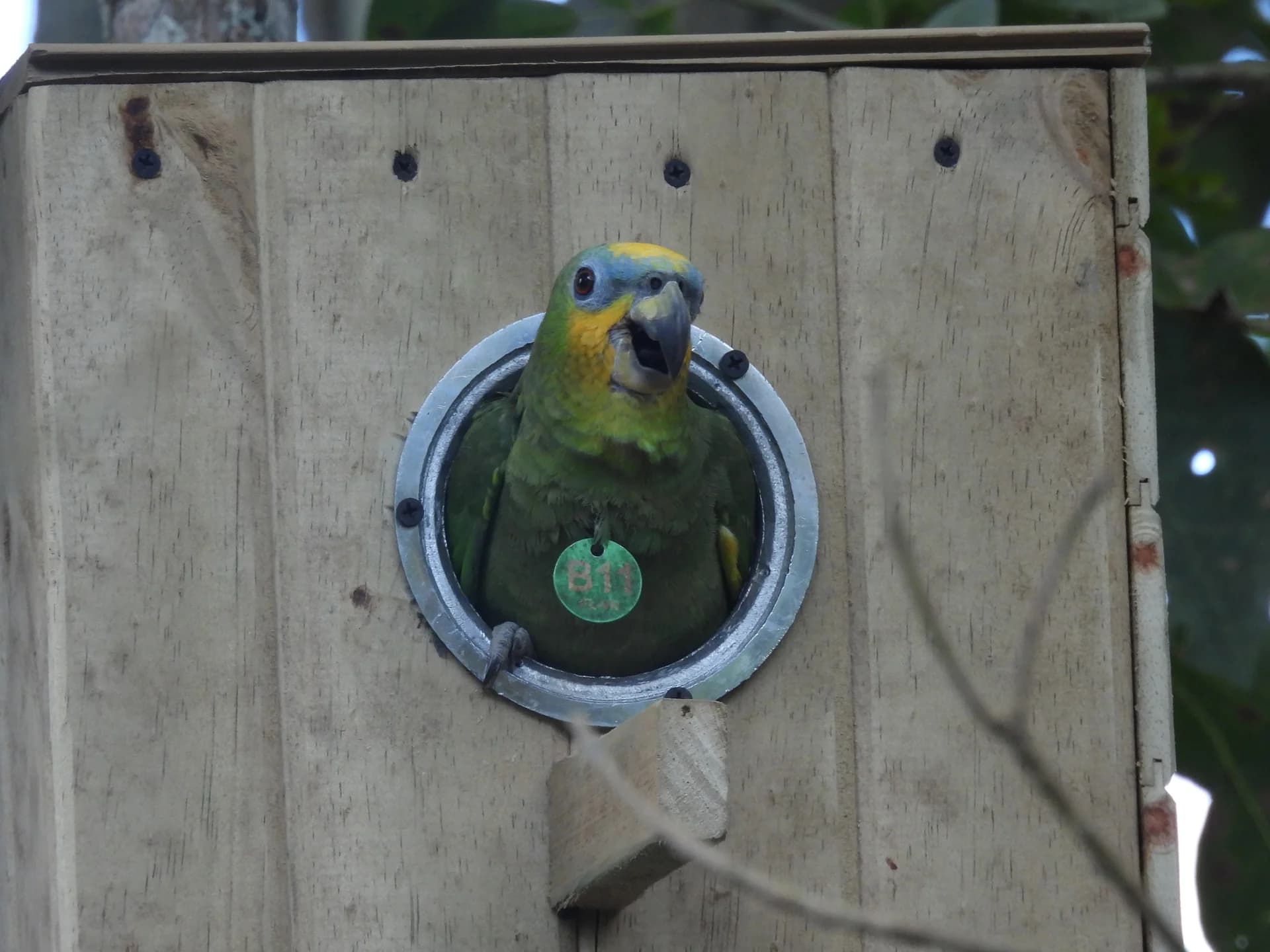
Wooden boxes designed with the exact dimensions, material, and entrance opening that psittacines need in the tropical dry forest. These aren't just boxes — they replicate the ideal cavity.
Placement in monitored sectors
The nests are placed in selected trees within the reserve, at safe heights, in areas with confirmed presence of rehabilitated birds flying free.
Territorial loyalty
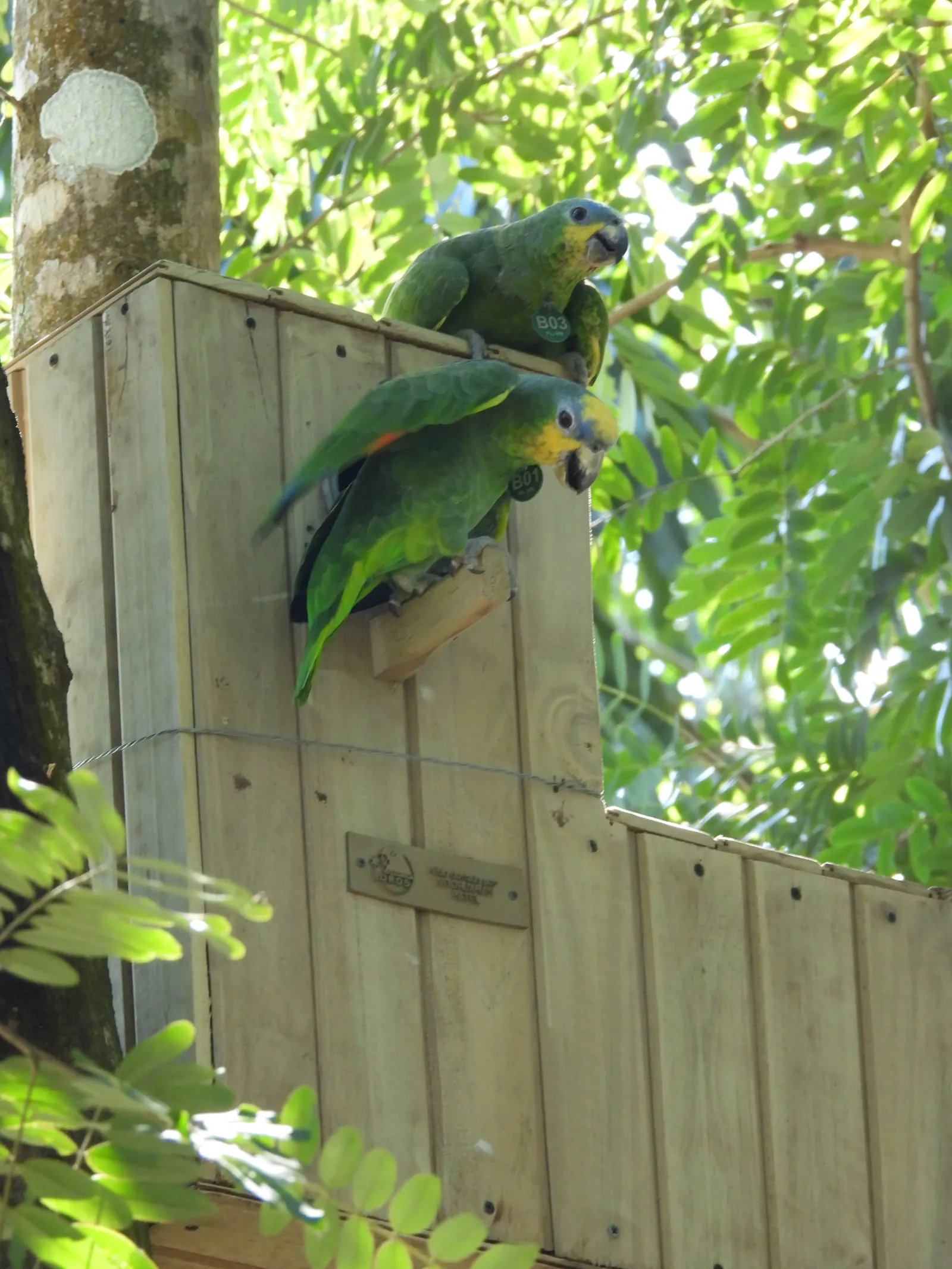
A well-placed nest anchors the pair to the territory. The female chooses the cavity, returns each season. Dispersal drops, survival rises.
Monitoring and replanting
Each nest is inspected regularly: occupancy, breeding success, deterioration. It gets replaced when needed. Your donation funds the full cycle, not just the installation.
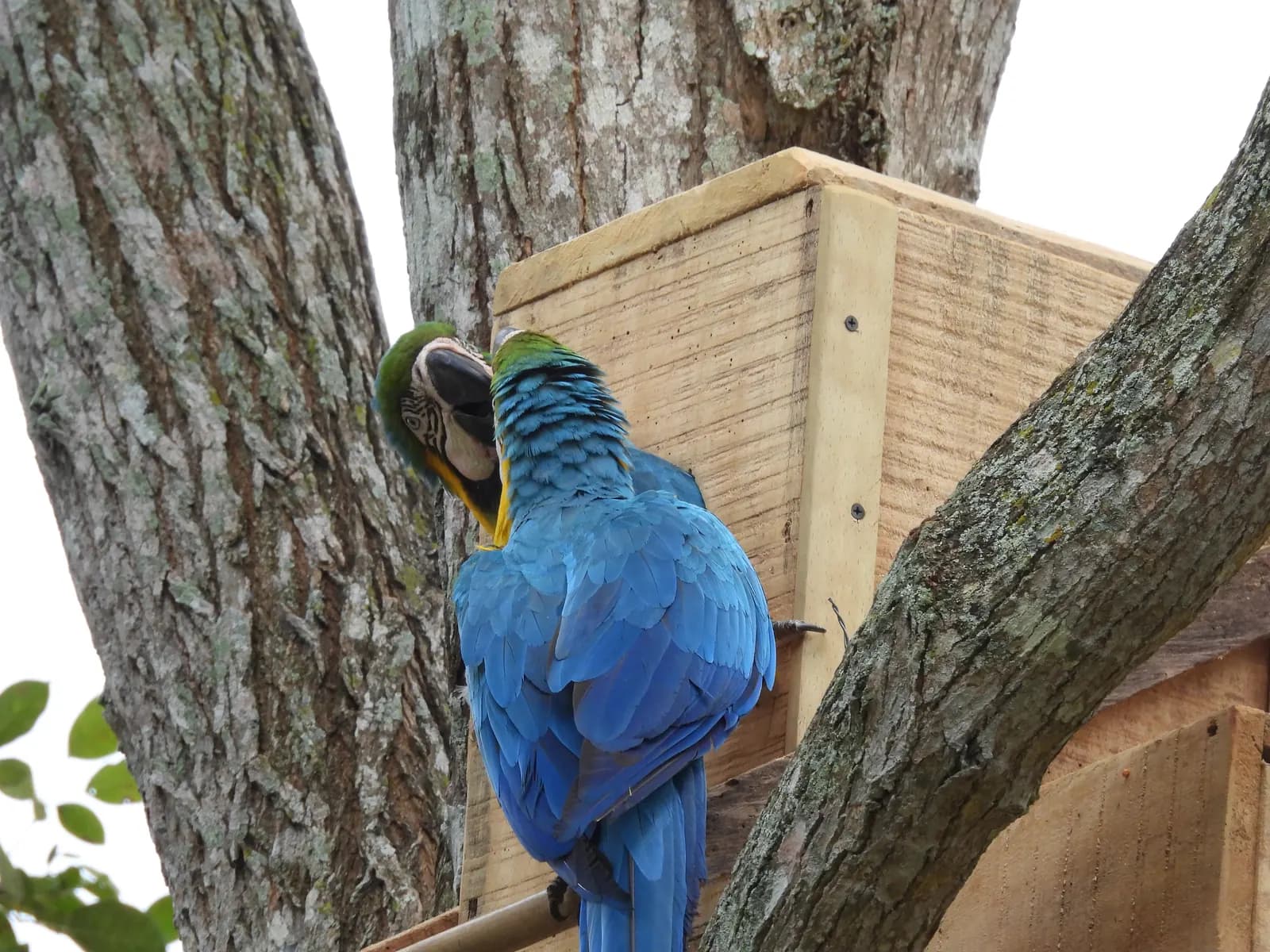
Thisis a victory.
A pair chose this nest to breed. This is not decoration: it is reproductive behavior, territorial bonding, and the first sign that the rehabilitated population is starting to stay.
Every box that enters the forest opens the possibility of another scene like this one. Without nests, this moment doesn't exist.
The nest anchors the parrots. It reduces dispersal. It improves reintegration.
Releasing a bird with no place to build a family is only half a success. The territorial bond that comes from a well-placed nest is what turns a one-time release into a population that stays.
2026 Goal
34/ 100
nests installed
34%
The number grows as each nest box is installed in the field. Every new nest box is work done — not an announcement.
Pick how you want to donate
Flexible donation
Every peso adds up to the goal.Reference rate · 1 USD ≈ $3,700 COP. Bold processes in COP.
Donate a complete nest
Includes
Digital certificate with your name, photos of the installation, and the nest's location in the reserve. The difference from the actual cost ($250.000 COP) funds monitoring and replacement.
What your donation sustains
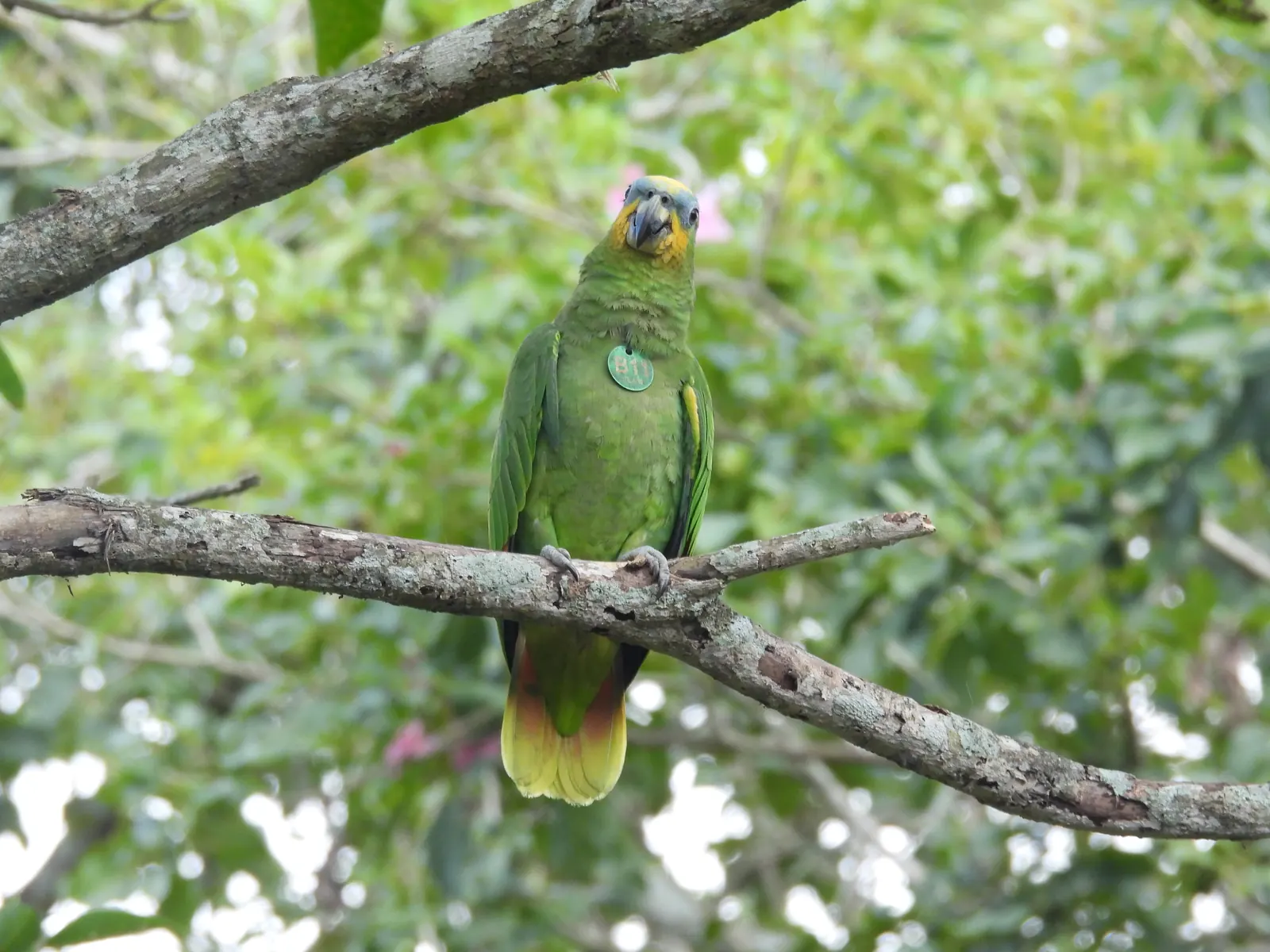
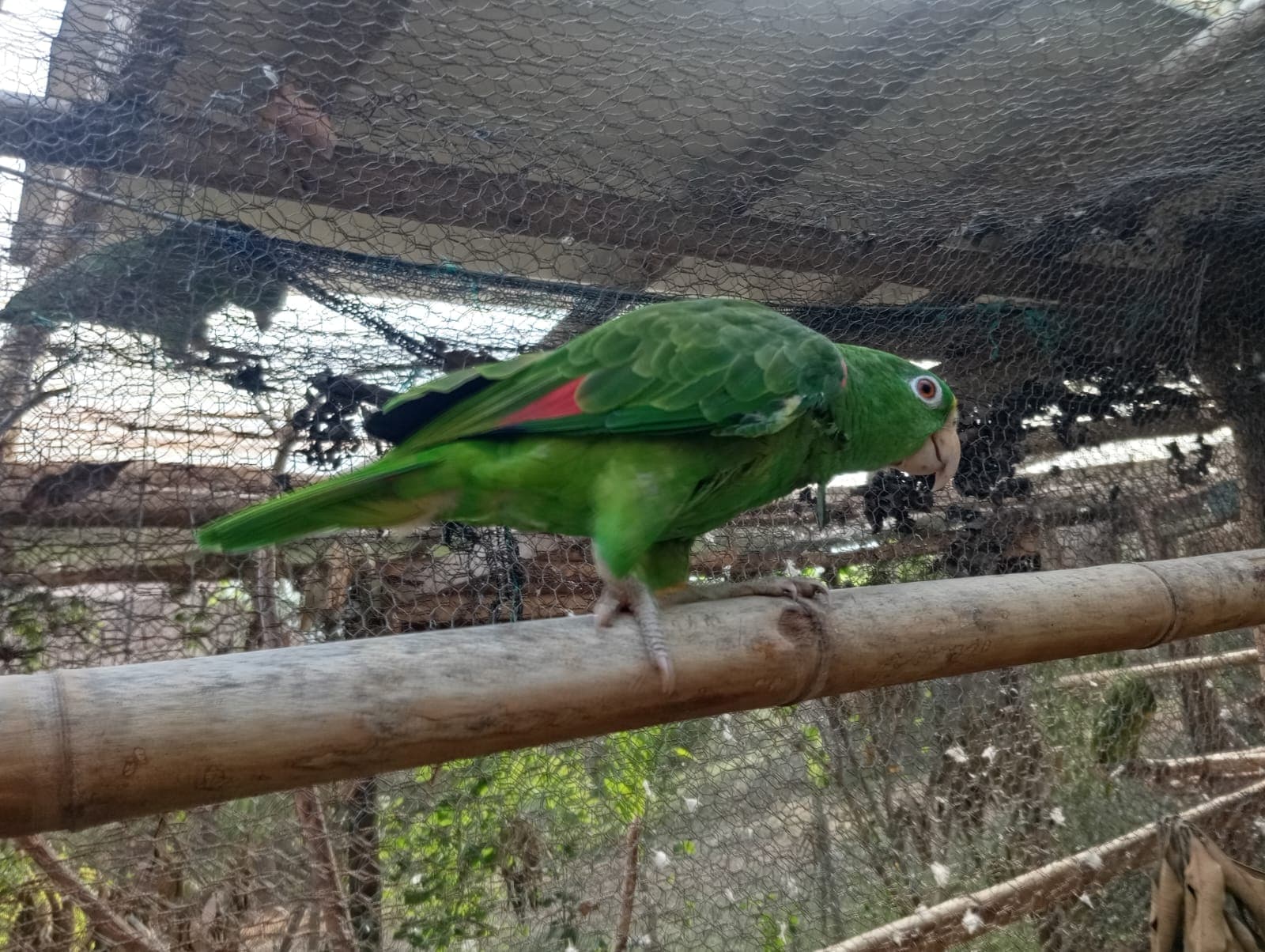
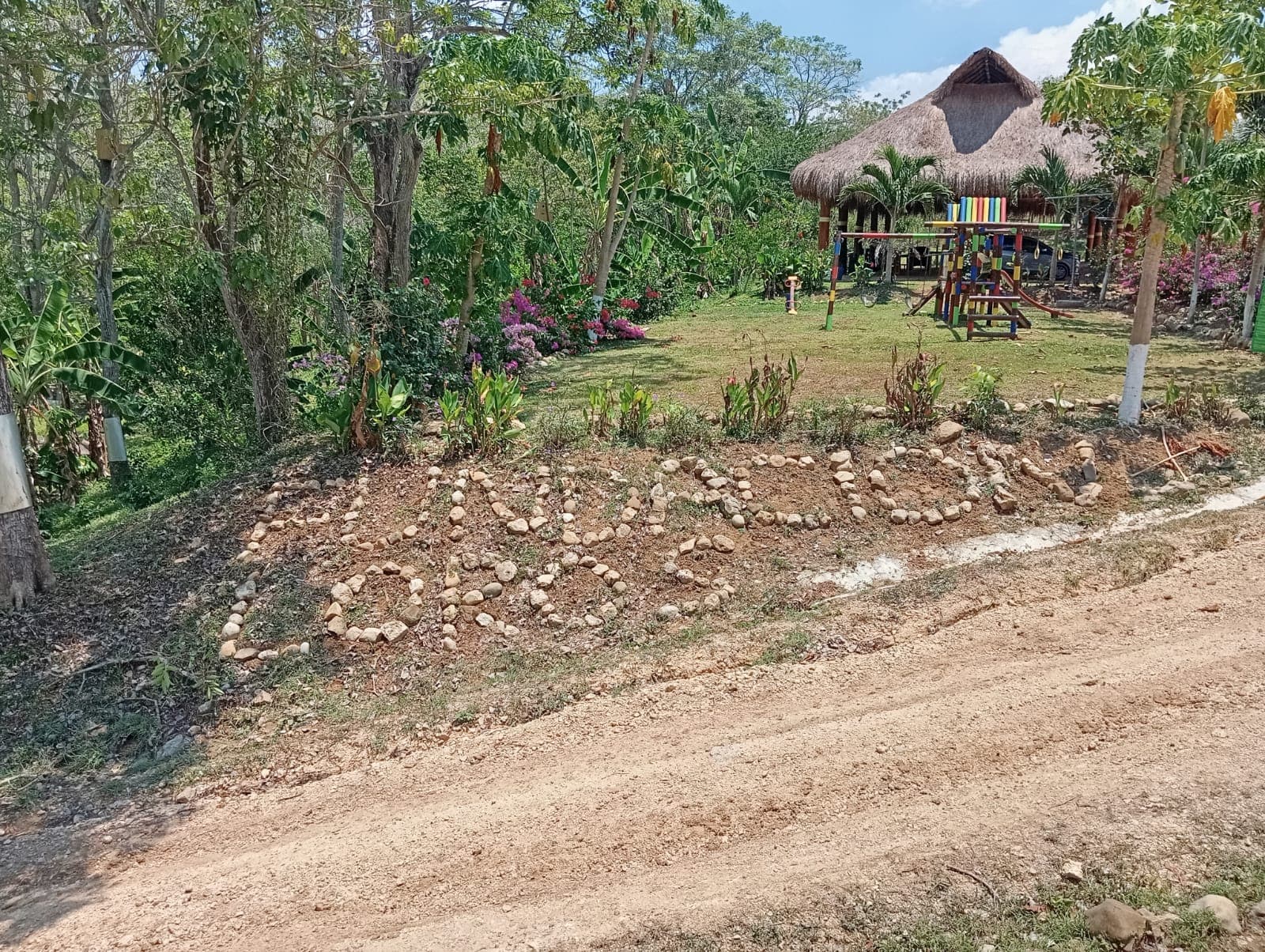
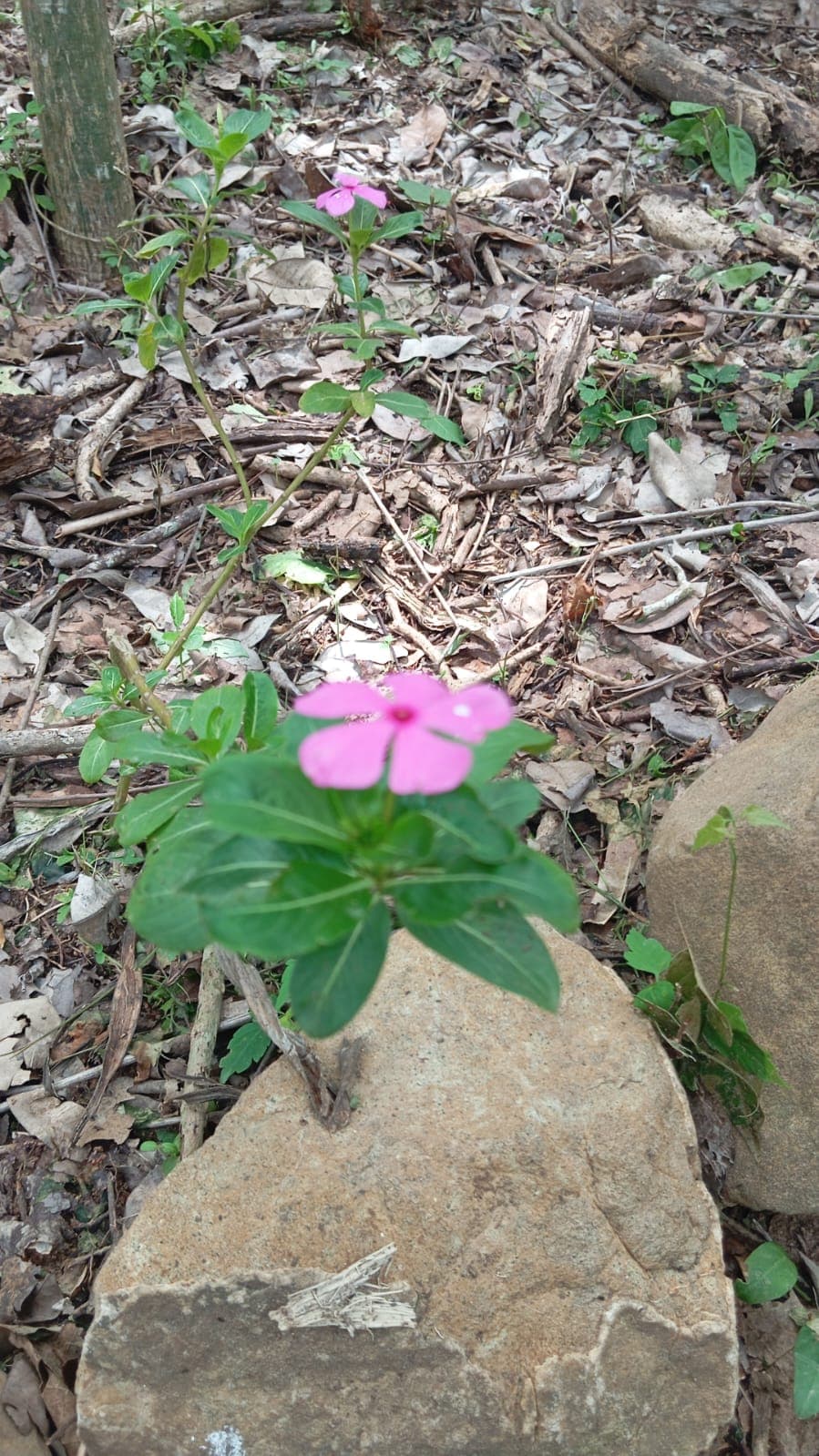
What if you make it monthly?
Donating a nest box is a one-time act of impact. If you want that act to become permanent — in trees tended every month, monitored sectors, recurring food — become a Patron.
You donate each month what feels right for you. The sanctuary runs every day on that predictable base.
Want to donate more than one nest or coordinate a sponsorship?
For corporate donations, annual sponsorships, or coordinating several nests at once, write to us on WhatsApp and we'll put together a tailored proposal.