Conservation participation programs
Real rehabilitation, restoration, and education processes.
Fundación Loros · Programs
Not visits. Field work.
Our programs are not tours or attractions: they are immersive experiences where each participant works with the team on the real tasks that keep the sanctuary running. You hike, plant, feed, monitor. You leave with learning because you leave with work done.
How they work
Each program is organized into subgroups that rotate through the different stations of the sanctuary: aviaries, Nursery, monitoring sectors, restoration areas. This ensures small groups, personalized attention, and exposure to every dimension of the work.
Each subgroup receives specific missions guided by a caretaker or biologist from the team. These are not demonstrations: they are the same tasks we do every day to keep this place running. If the mission is to release a bird, you are part of the process. If the mission is to plant ten trees, you plant them.
At the end of the day, we hold a joint closing where we share what each subgroup learned and what the team recorded about wildlife, restoration, or safety. This is where individual work becomes collective knowledge.
Core activities
What you do in every program
These five activities are the core of every visit. The audience changes, not the practices.
Hikes in the tropical dry forest
Guided walks through sections of the tropical dry forest with a biologist from the team. You learn to read the most threatened Ecosystem in the Colombian Caribbean: which species live there, how it regenerates, and what signs indicate it is healthy or under stress.
Native tree planting
You plant native trees from the tropical dry forest in areas under restoration. This isn't symbolic: each tree is part of a monitored regeneration plan. You learn which species to plant, when, and why.
Wildlife monitoring
You join the team on documented observation routes. You record species, behaviors, and locations. That data feeds the reports that support long-term conservation work.
Parrot food preparation
In the sanctuary kitchen, you prepare the diets for the psittacines in rehabilitation: fruits, seeds, supplements. Each portion has a medical and nutritional purpose based on the bird's stage of recovery.
Environmental enrichment
You build and place elements inside the aviaries that stimulate natural bird behavior: perches, toys, food-hiding spots. This is what prepares them to be wild again.
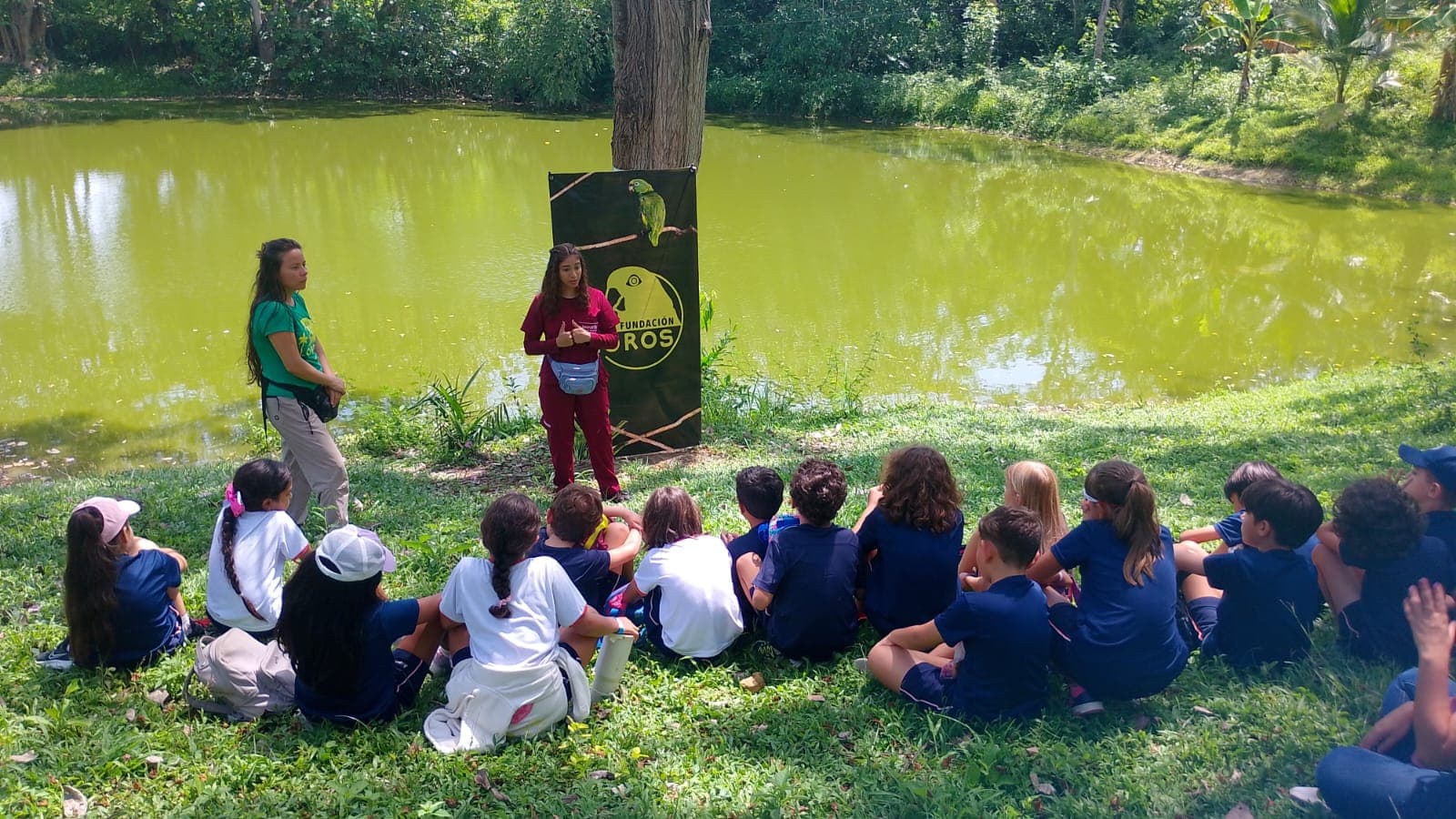
For example · Schools
Participation, not exhibition
Every visit with a school ends with trees planted, fruit harvested, birds fed, and observations recorded. Students take part in the real work of conservation; they don't come to watch, they come to leave the place better than they found it.
For whom
Six programs with the same structure, adapted to the group's profile and the level of depth each audience needs.
Hands-on conservation across 500 hectares of tropical dry forest · about 1 hour from Cartagena de Indias
International volunteer program
Read more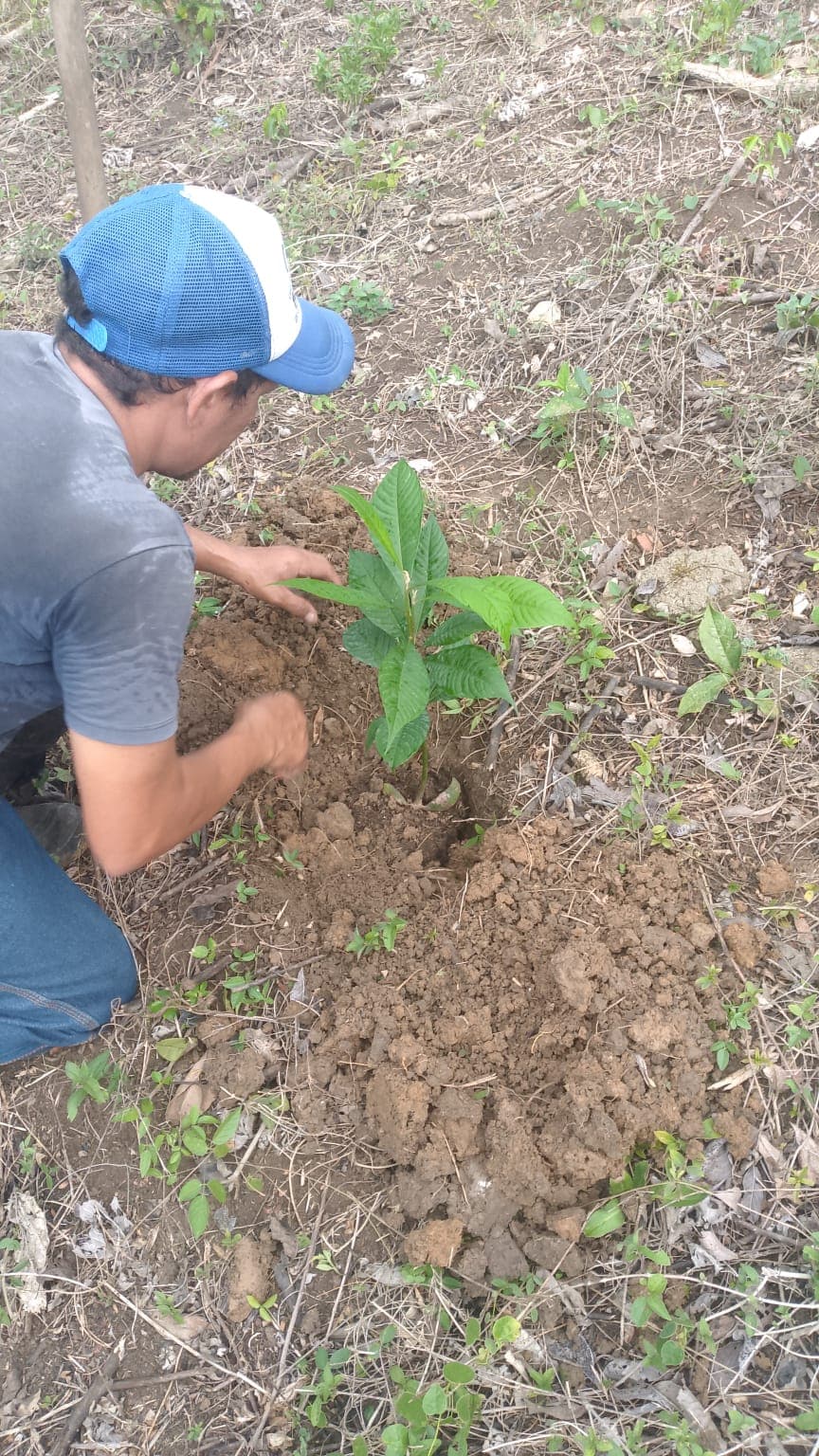
One hour from Cartagena: 500 hectares of tropical dry forest where students plant trees, feed rescued birds and learn by doing. Ages 5 and up.
School field trips
Read more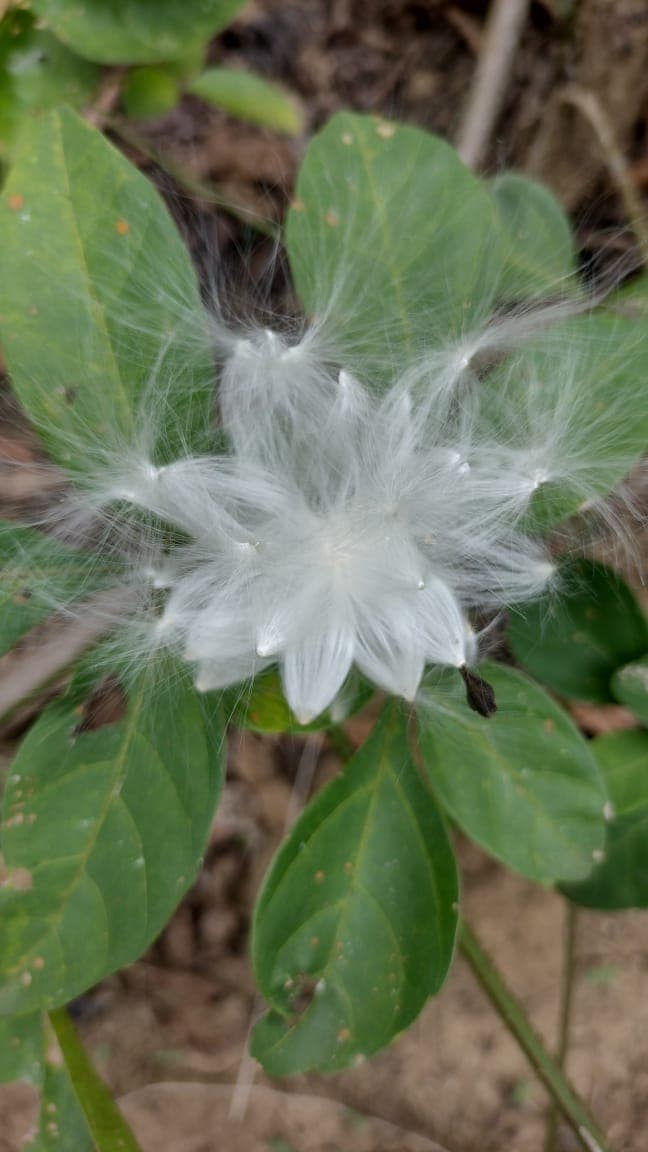
Research with purpose, in the field.
University Program
Read more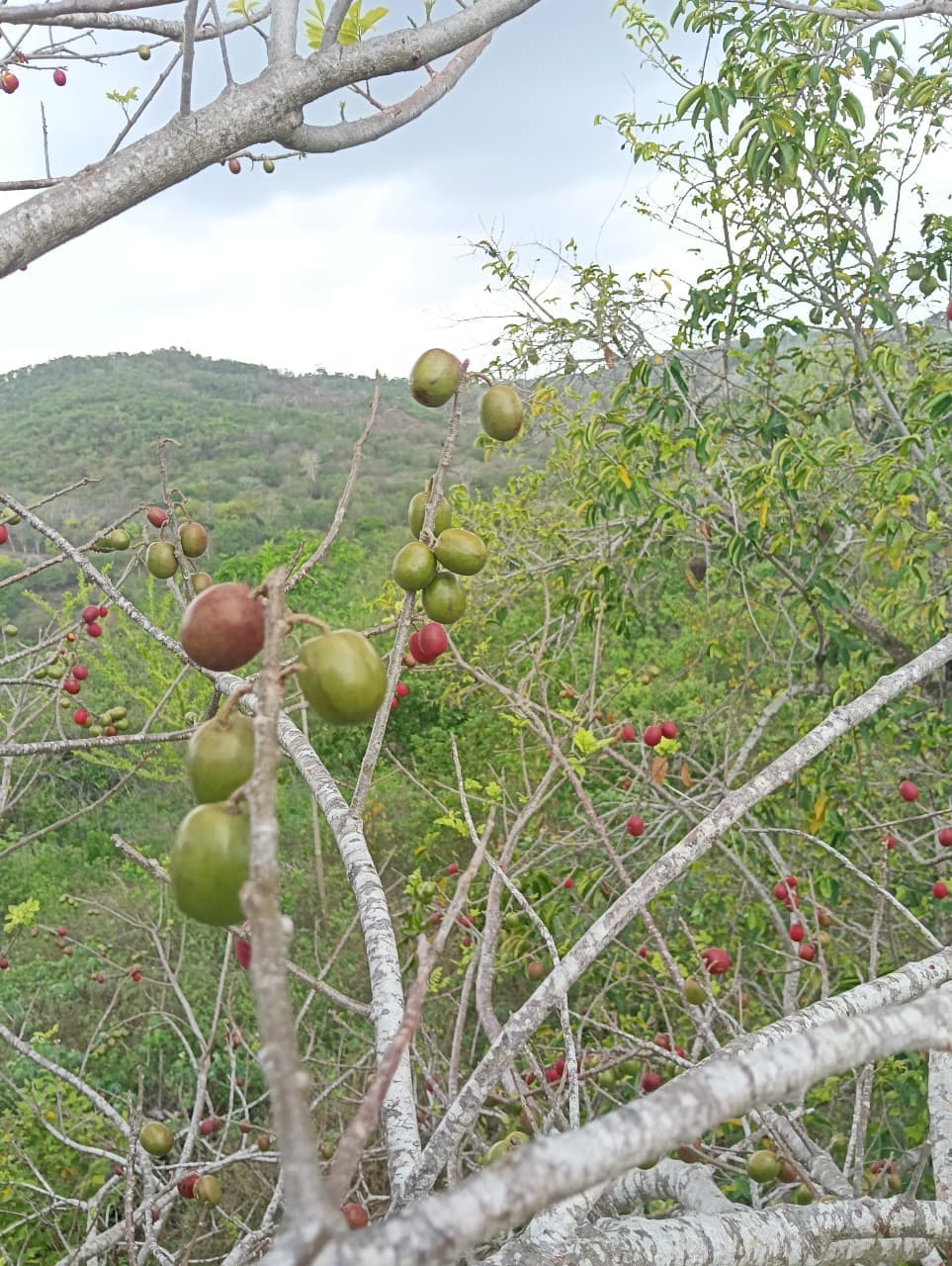
The sanctuary belongs to everyone who cares for it.
Community program
Read moreYour company can sustain the rehabilitation of hundreds of birds and the restoration of 500 hectares of tropical dry forest · about 1 hour from Cartagena de Indias.
Corporate partnerships
Read more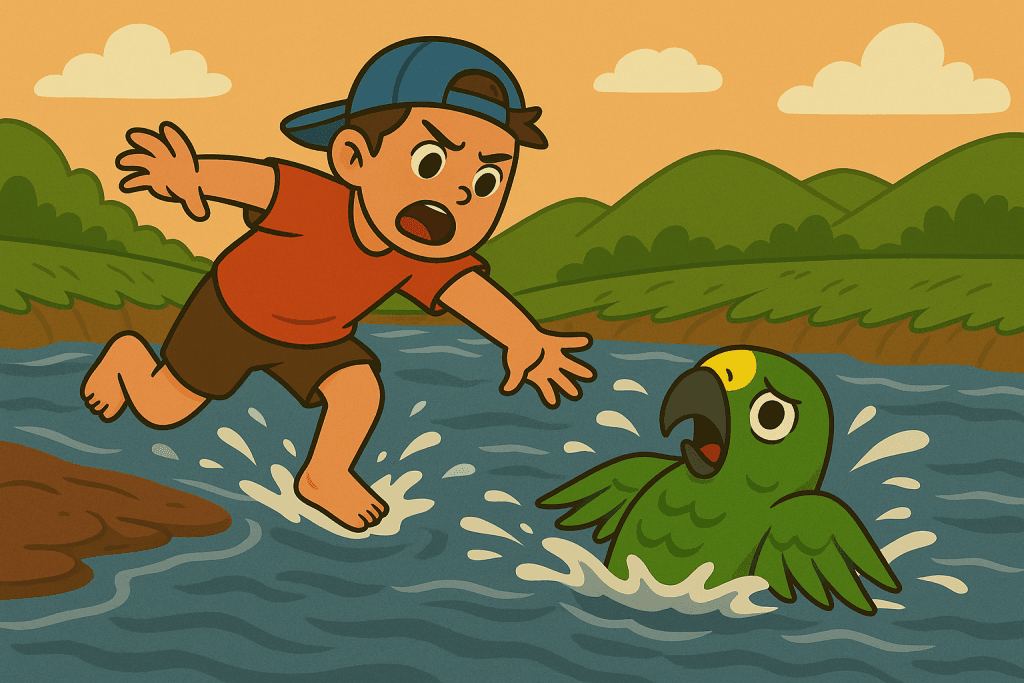
Art & literature
Book: The Spirit of the Parrots
In 2025 we invited Colombia to tell us its stories with parrots. The result is a collection of 38 stories, free to read online — memory, literature and art in the service of conservation.
Environmental oversight and compliance
Fundación Loros conducts its operations under the supervision of the Regional Autonomous Corporation of the Canal del Dique (CARDIQUE), the competent environmental authority for northern and central Bolívar.
Registered in the Wildlife Friends Network · Resolution No. 1972 of December 28, 2022 and its subsequent acts.
The logo identifies the environmental authority that exercises oversight; its use does not imply sponsorship or partnership.
Want to join?
Write to us on WhatsApp and we'll put together your visit based on your group's profile, dates, and goals.