Friday, May 1, 2026
Fruits, Flowers, and a New Enclosure at the Reserve
By Omar Enrique Verdugo Cabeza, Cuidador de las aves
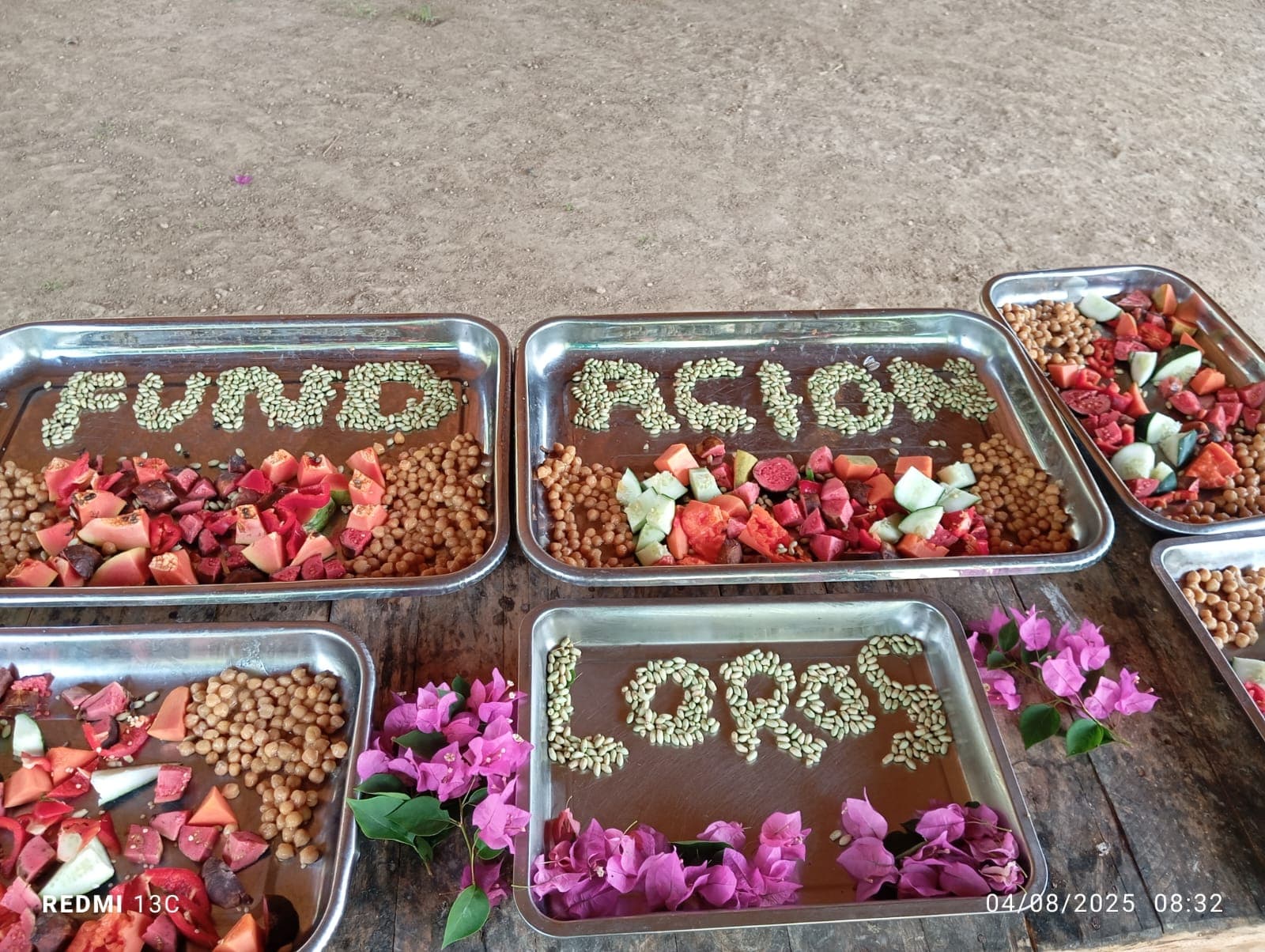
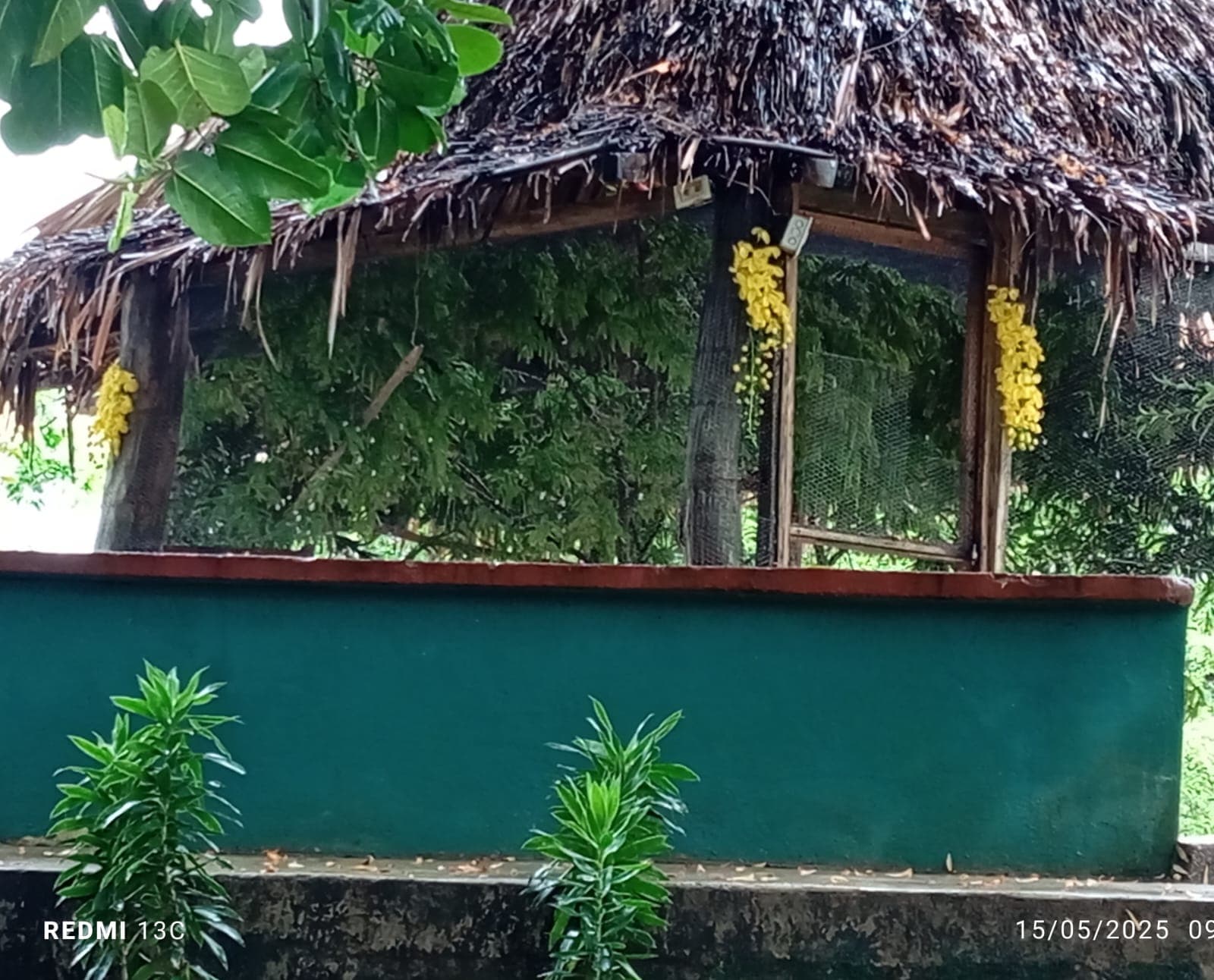
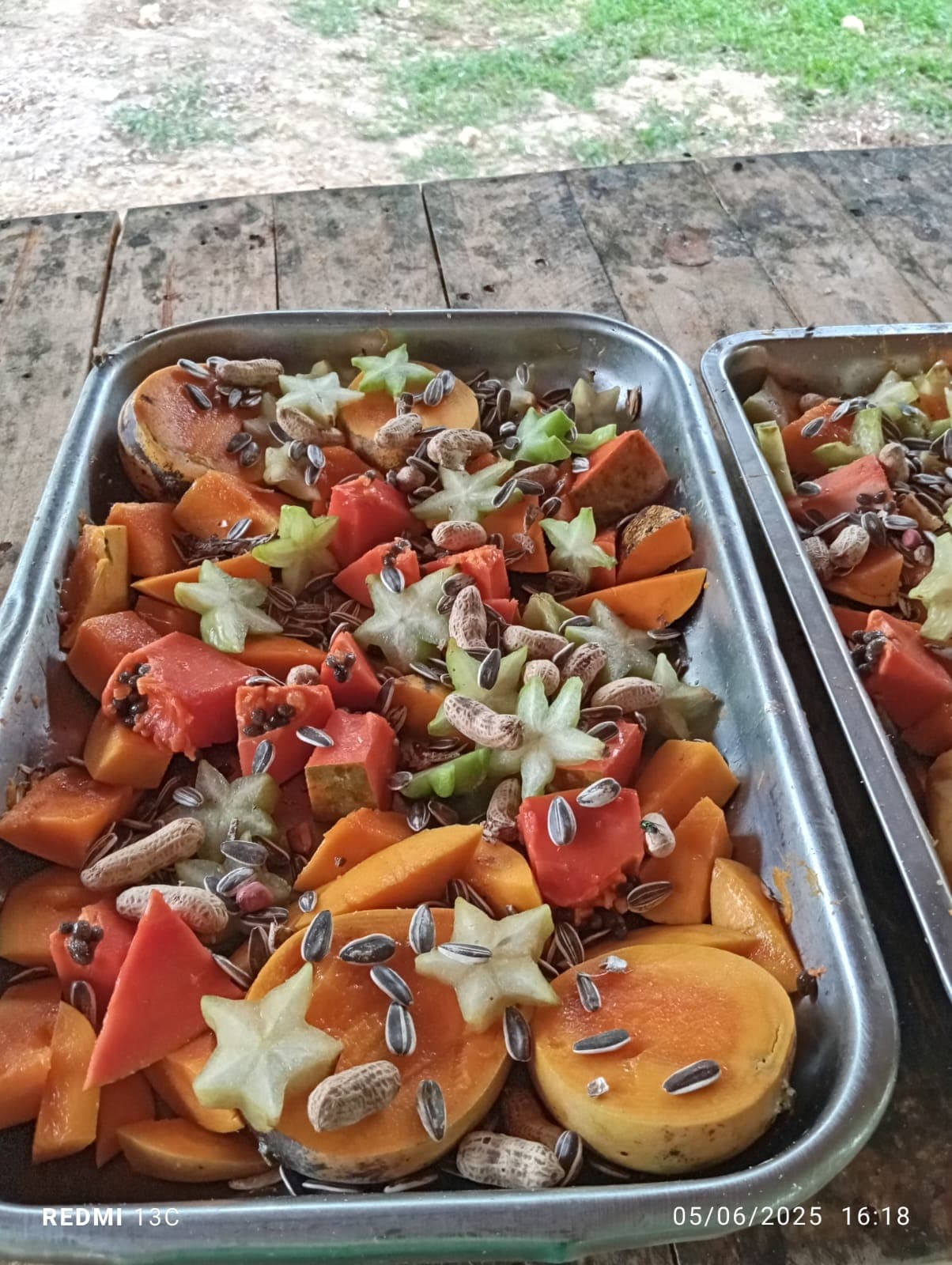
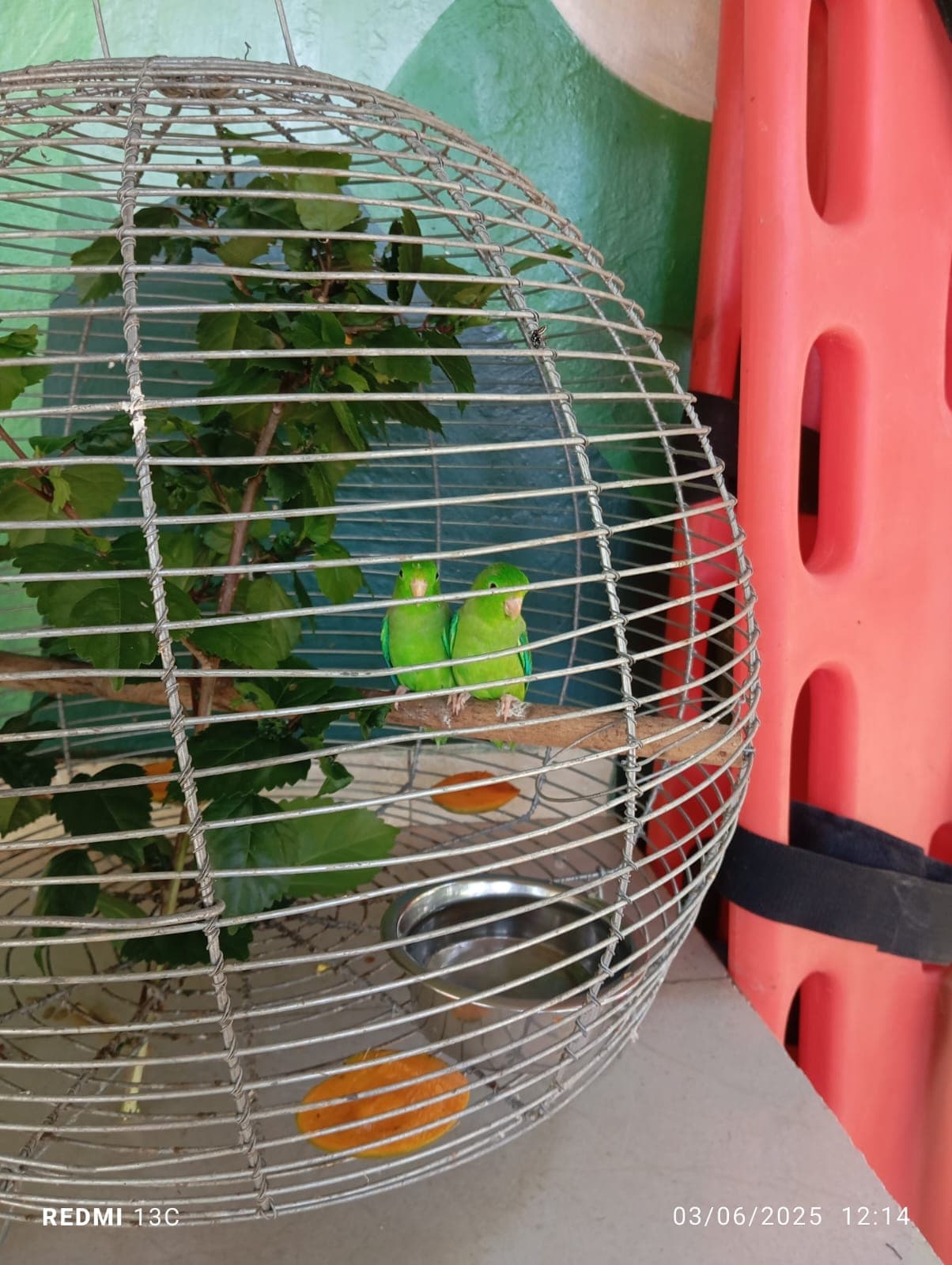
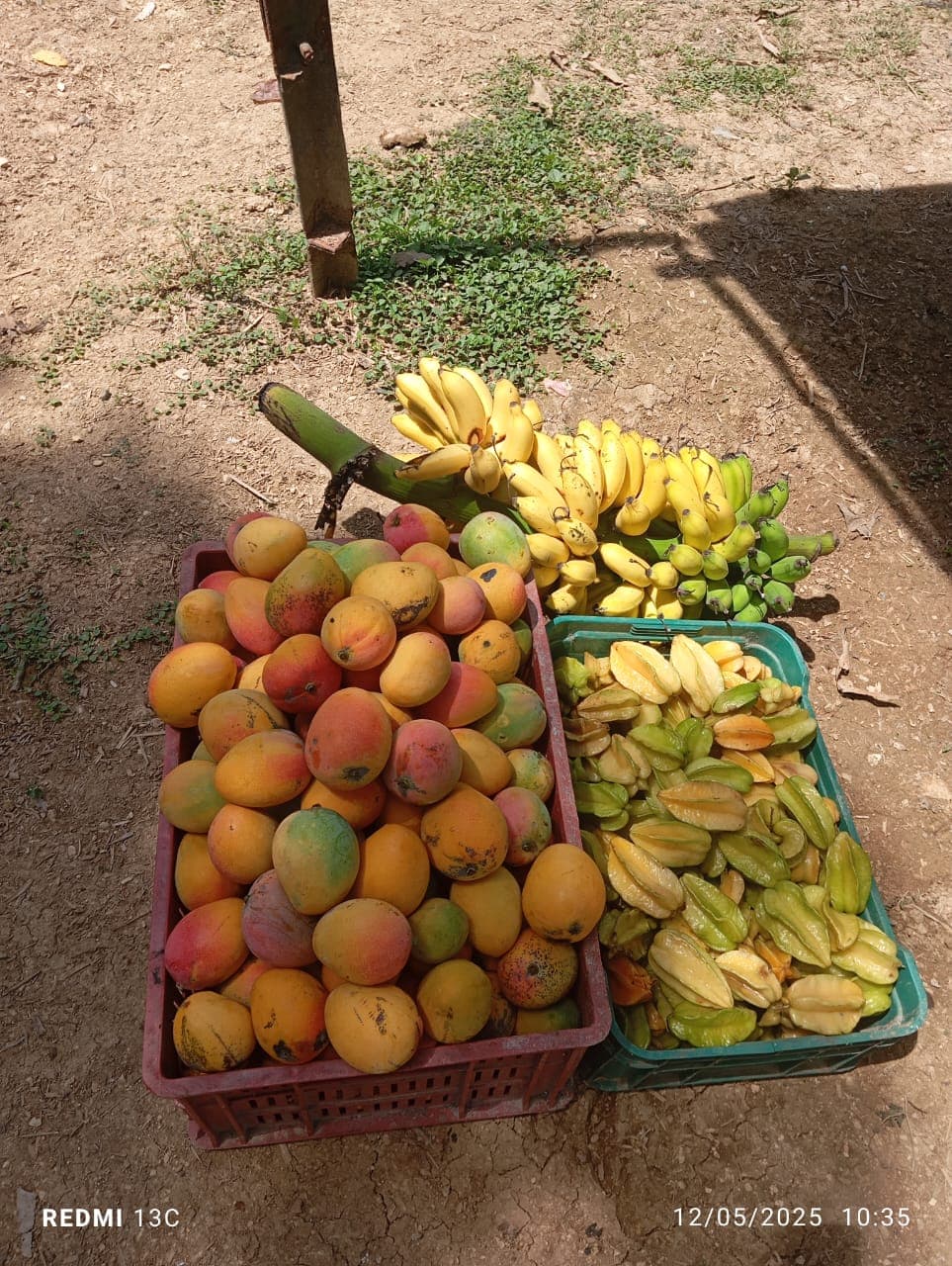
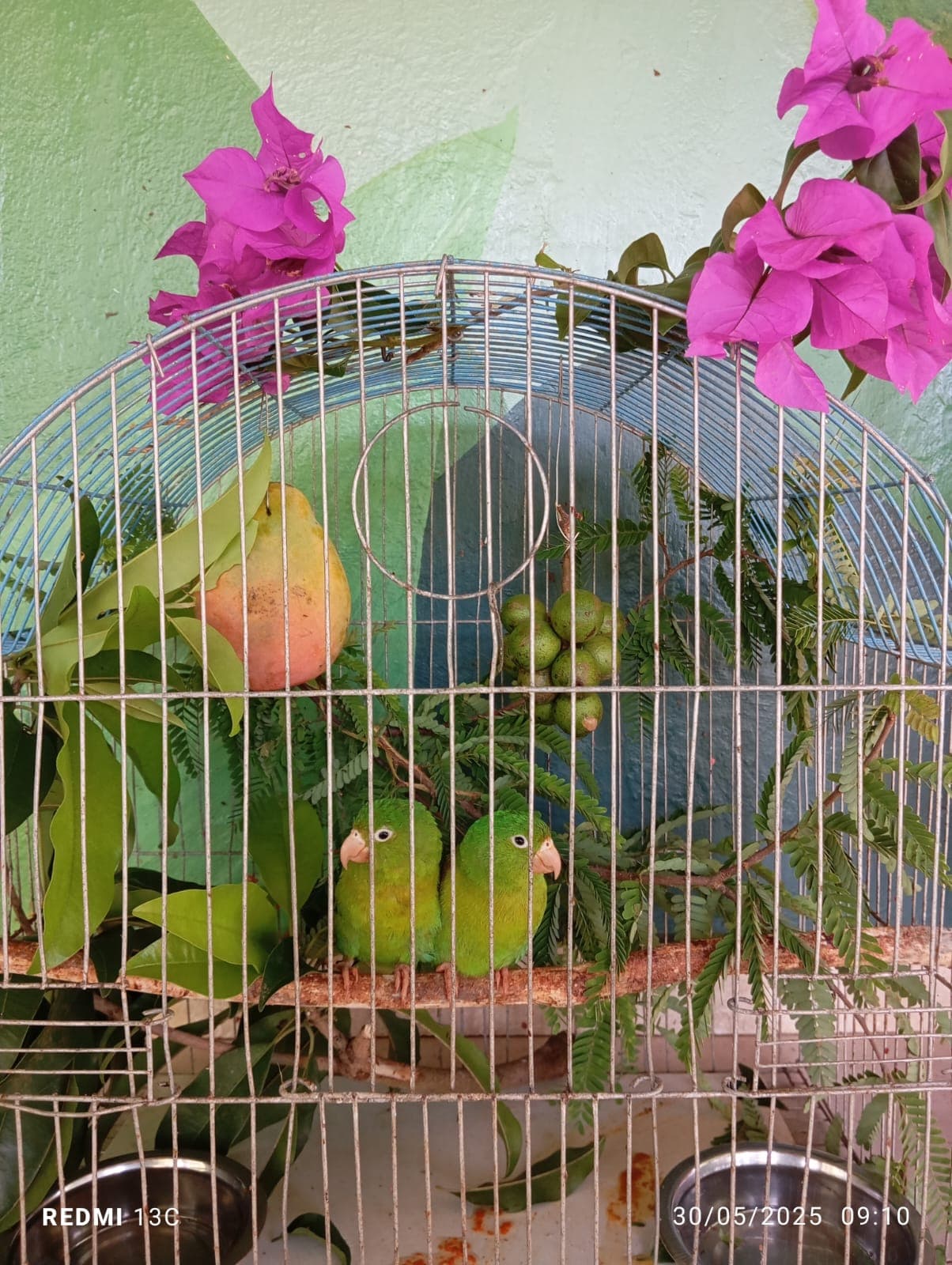
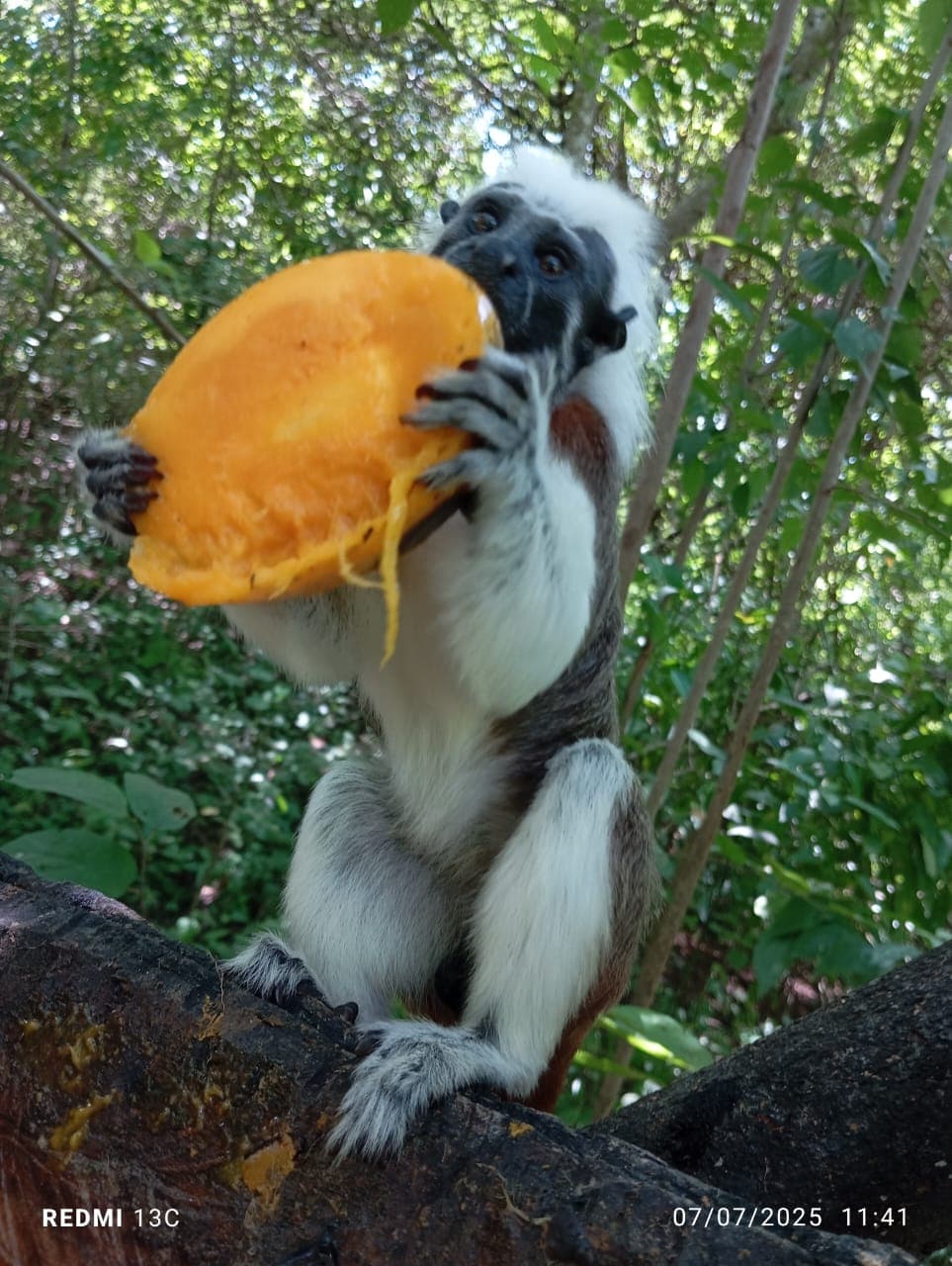
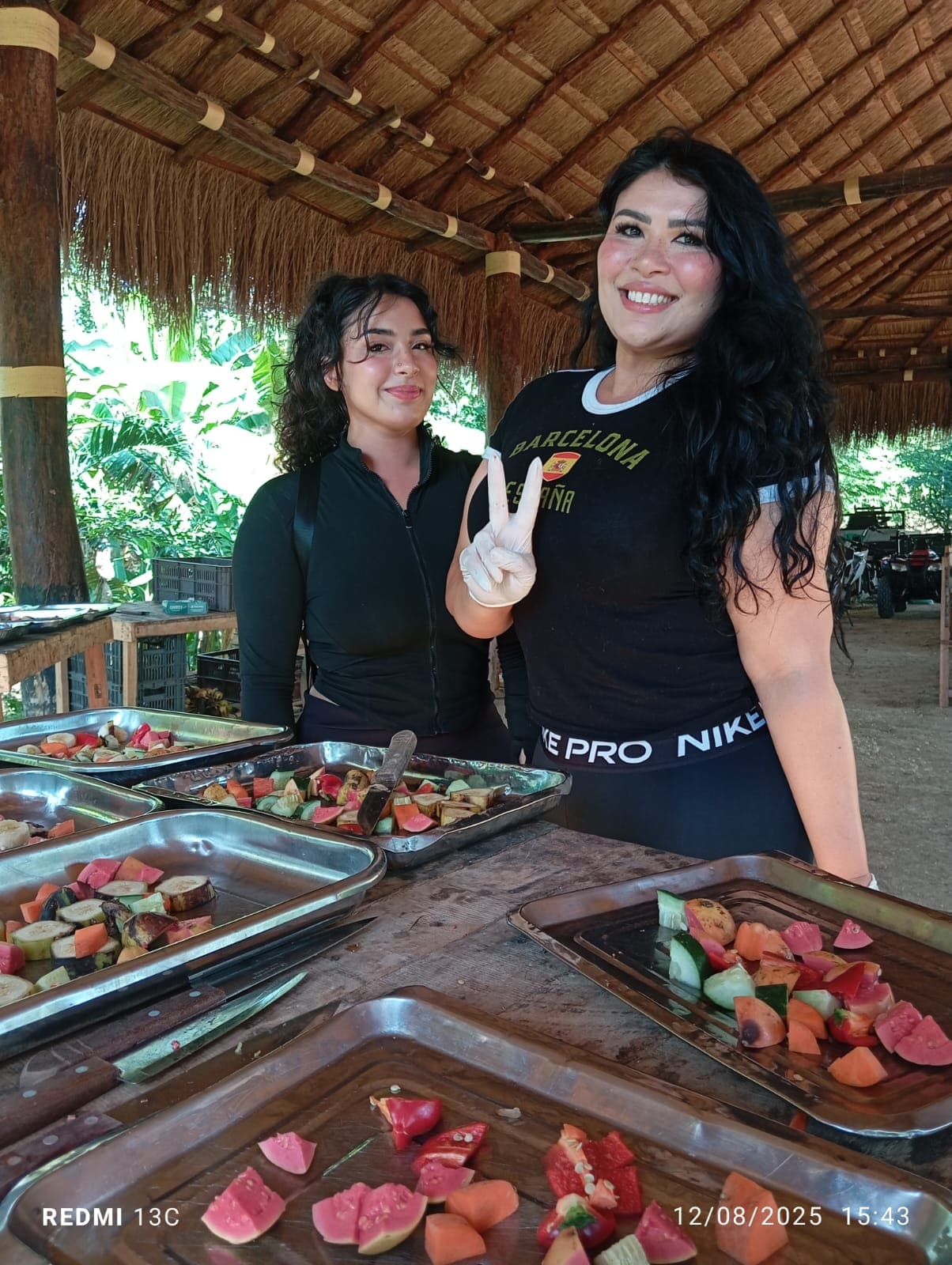
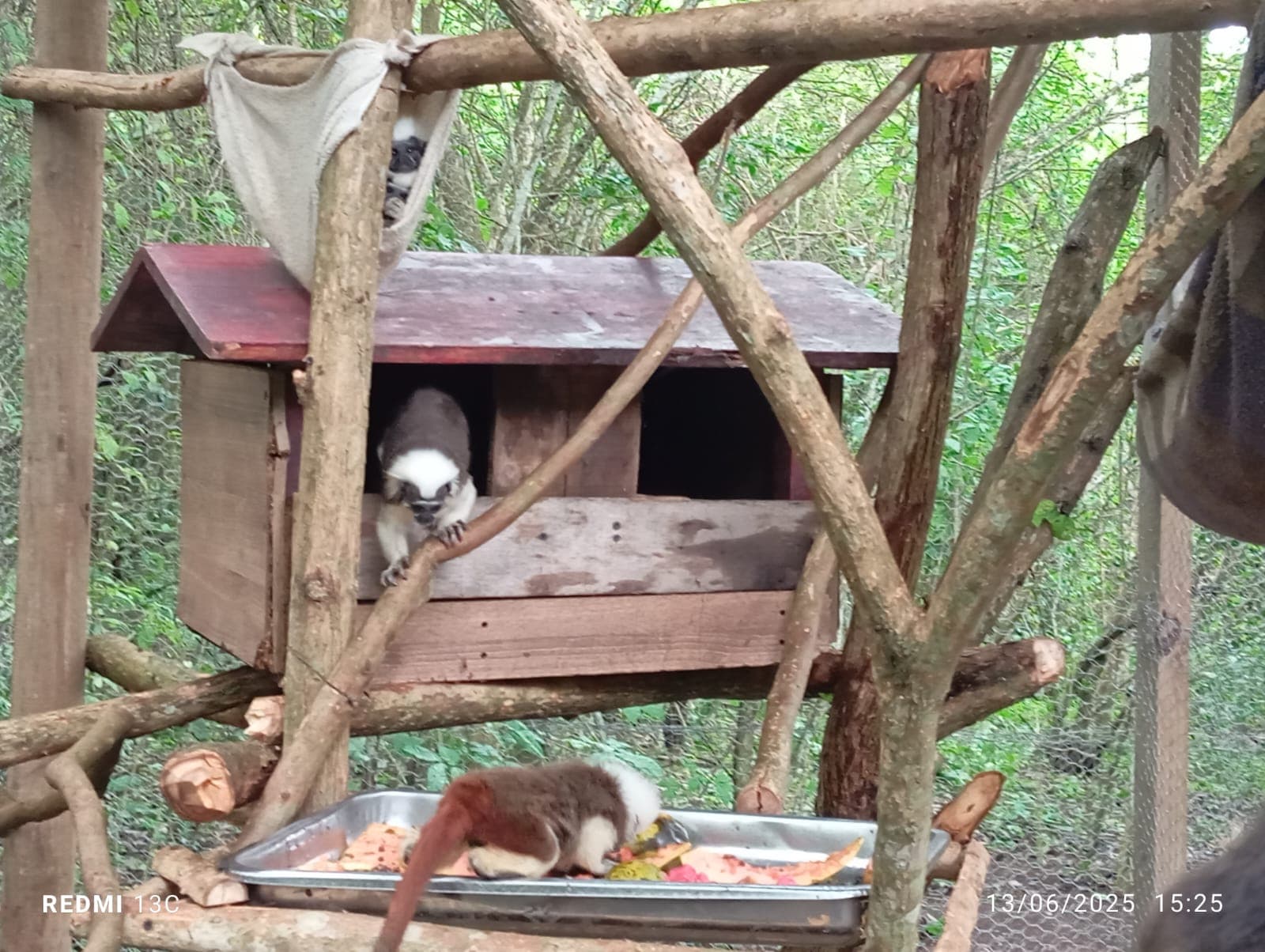
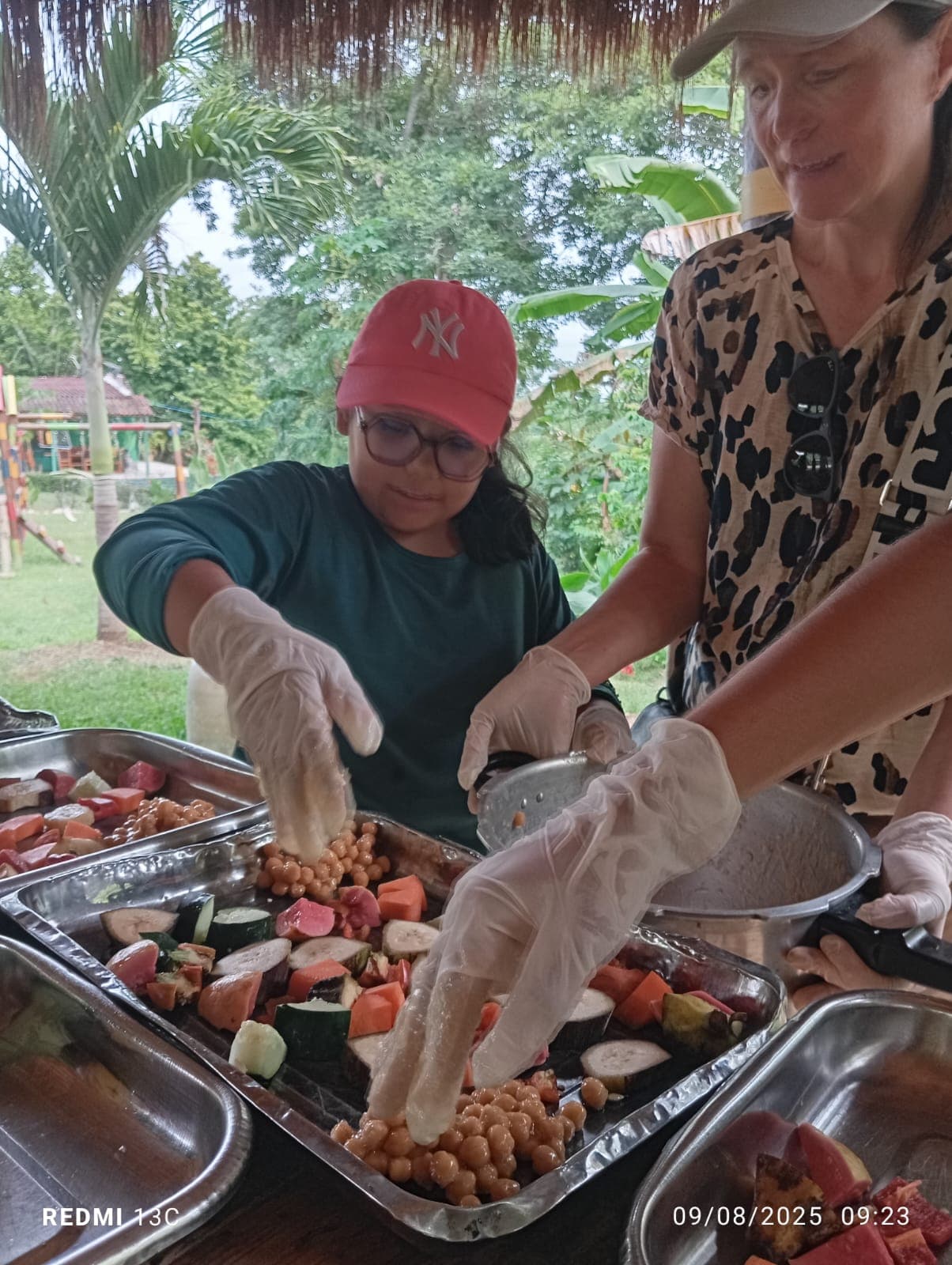
That day at Fundación Loros, the work began early — and it began with the hands. Two volunteers pulled on their gloves and arranged aluminum trays with papaya, mango, starfruit, sunflower seeds, and peanuts — a careful preparation for the green parrots in rehabilitation and for the cotton-top tamarins (*Saguinus oedipus*) that make their home in the reserve. The enclosures were not left bare: fuchsia bougainvillea blossoms and golden clusters of lluvia de oro dressed the aviaries like garlands, as if the place itself were trying to teach the birds — before setting them free — that the world outside can also be beautiful.
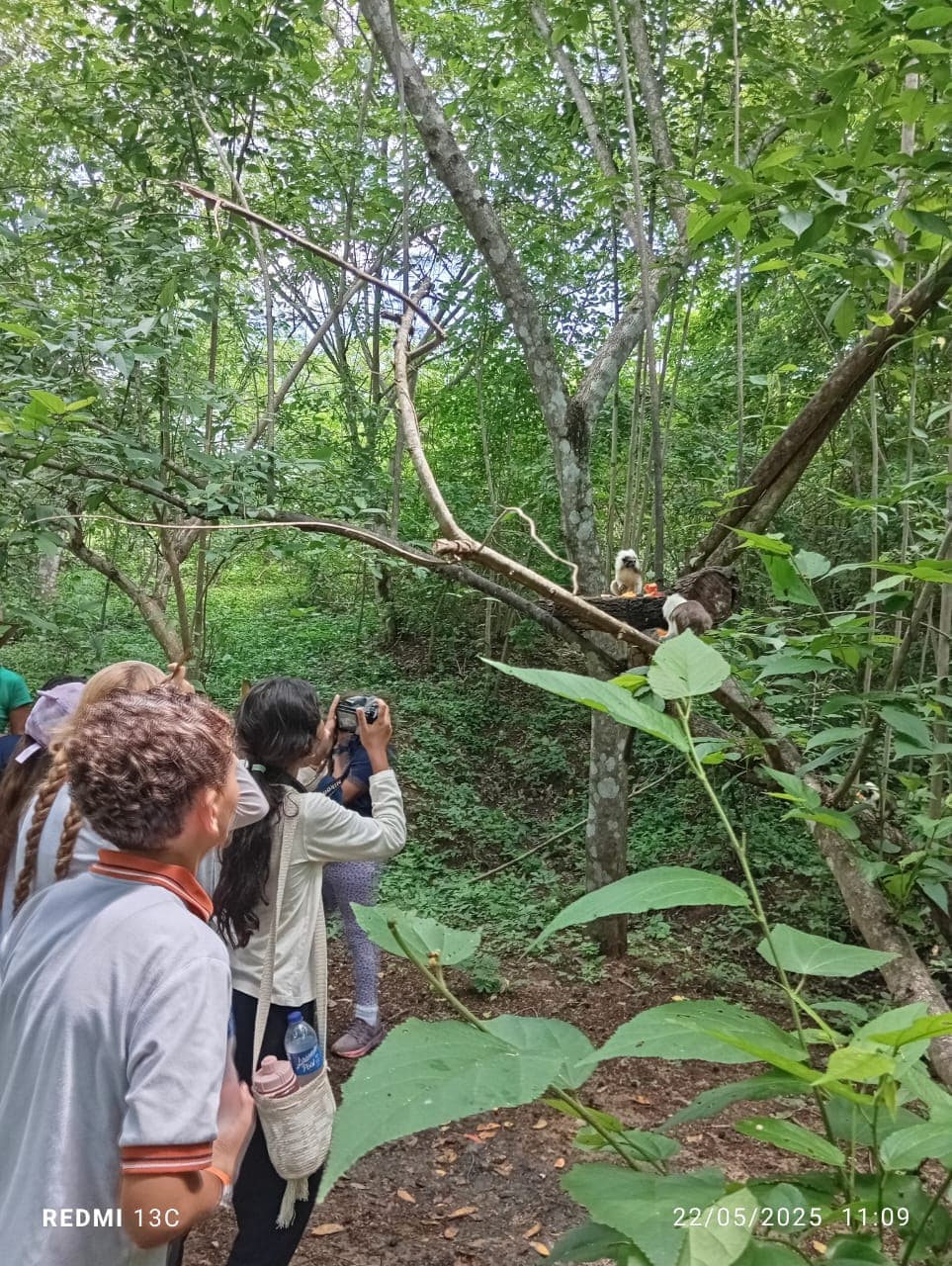
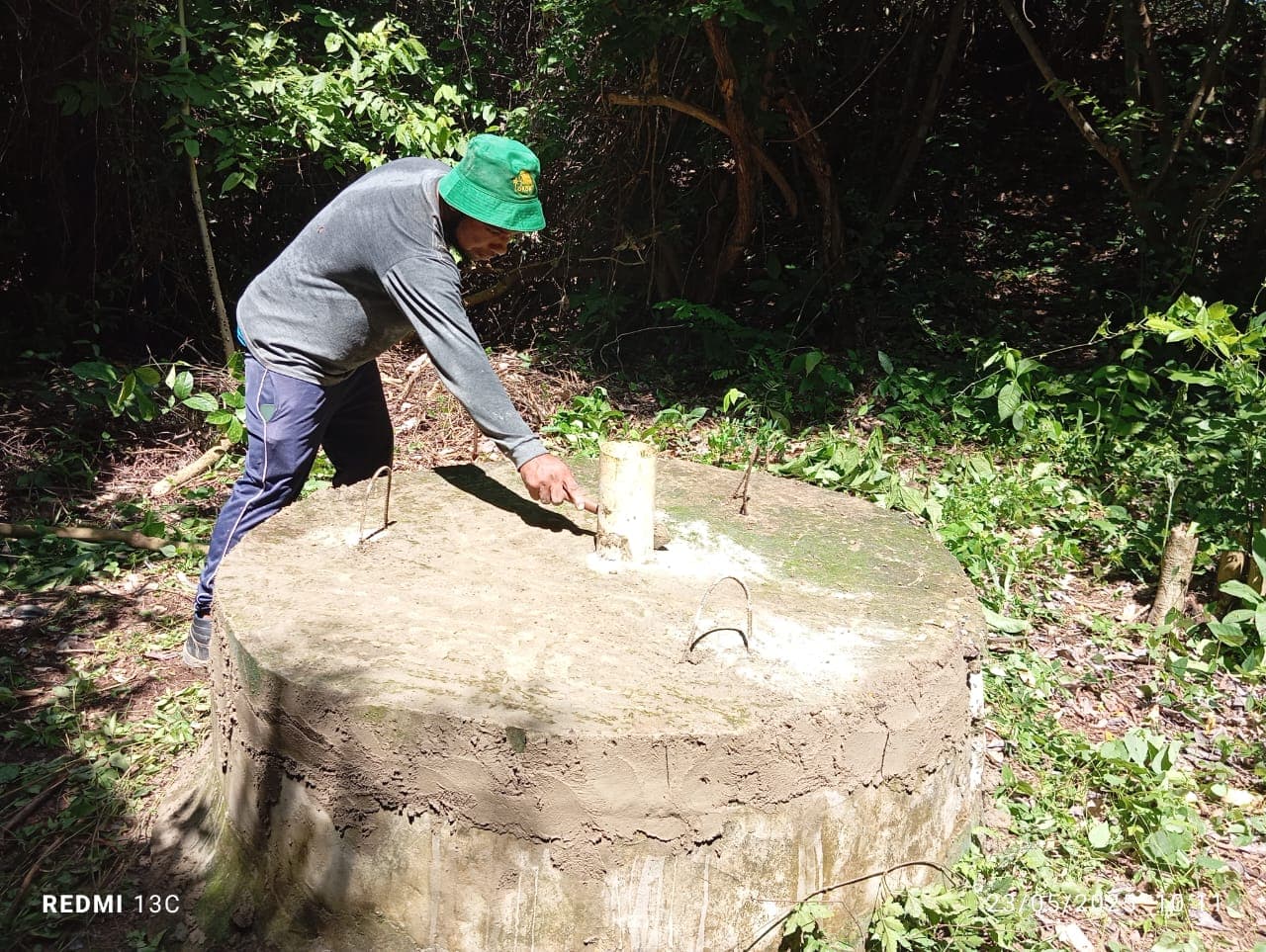
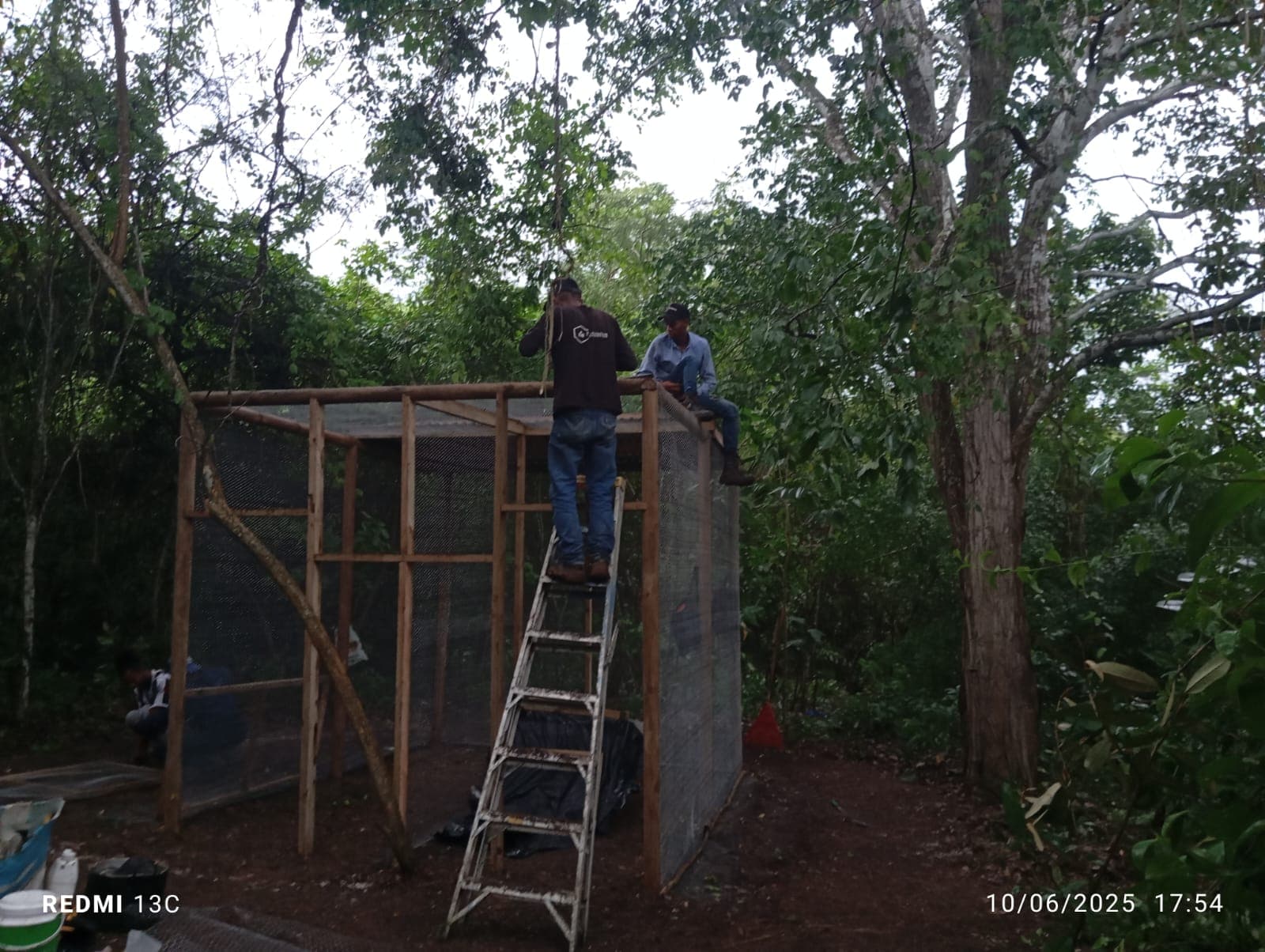
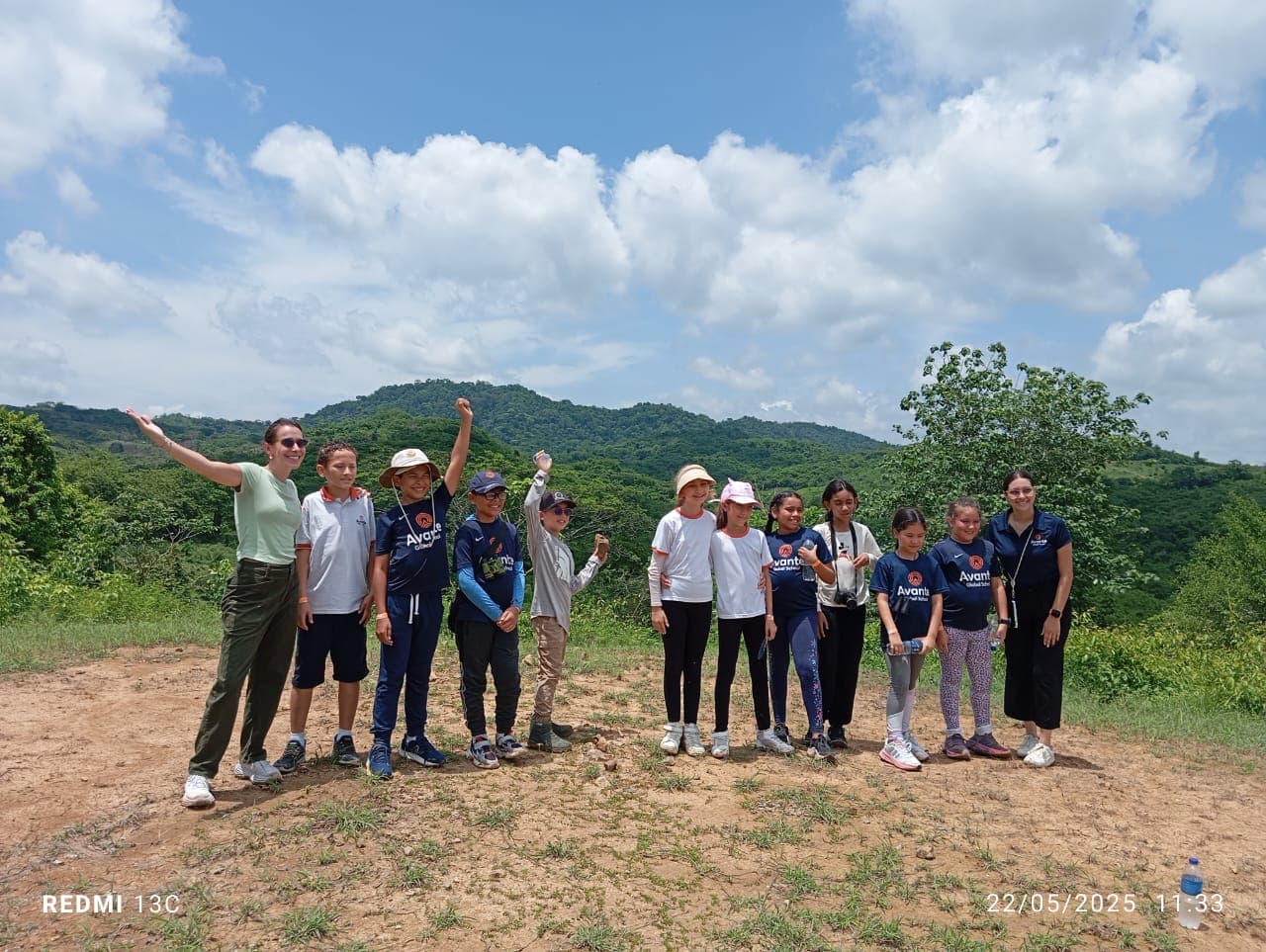
Meanwhile, Nicolás was building a new aviary between the trees, raising it board by board and wire by wire — a space that already has a date pressed into one photograph: June 10, 2025. Nearby, Carlos worked with the quiet patience of someone who knows this land well, inspecting the infrastructure of the well deep within the dense vegetation. In another corner of the reserve, a group of children from Avante Global School had arrived weeks earlier, on May 22nd, to look up close at a cotton-top tamarin perched on a branch — one of the most endangered primates in the world, which that afternoon allowed itself to be photographed as it gnawed on a piece of ripe mango.
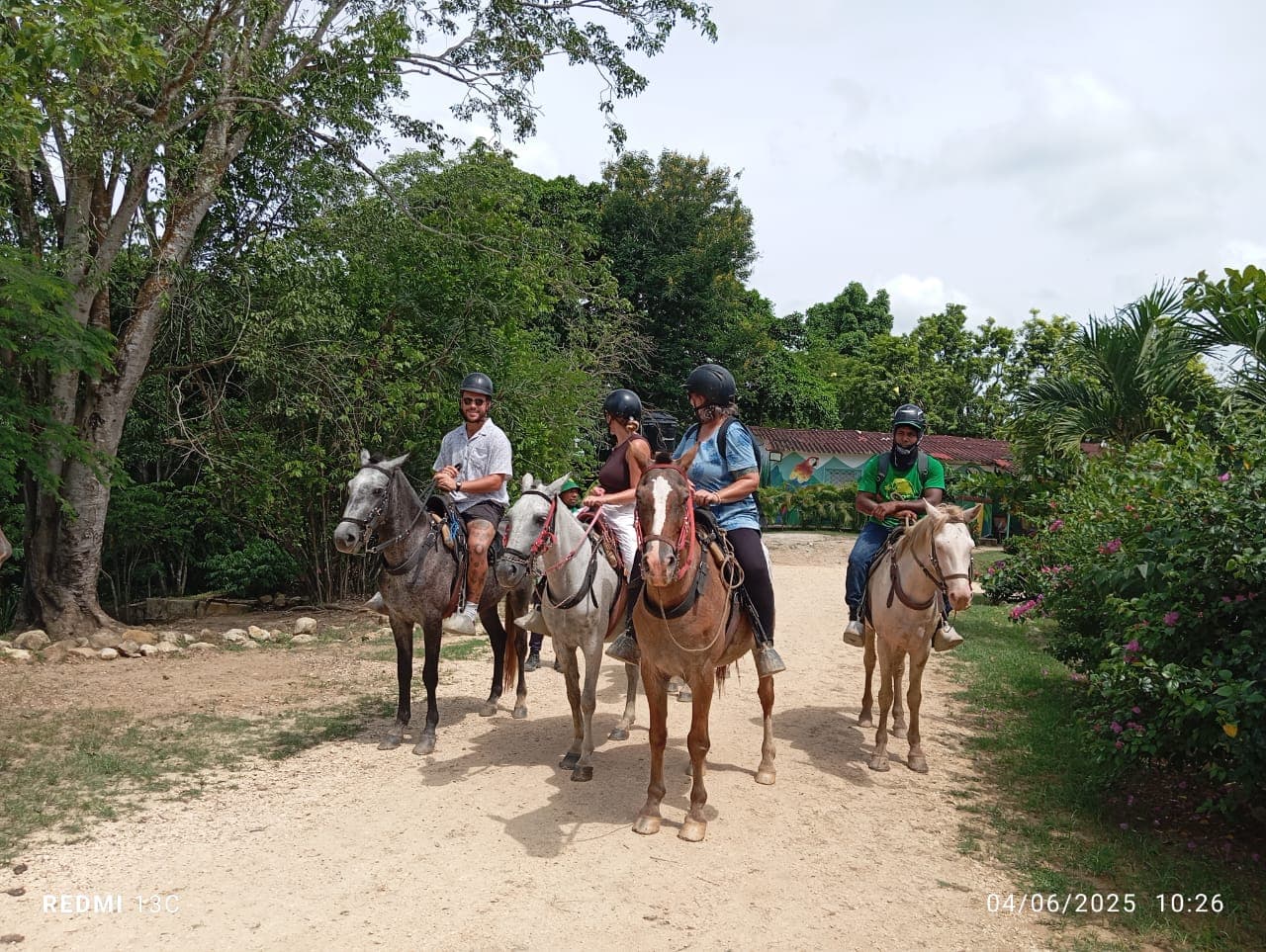
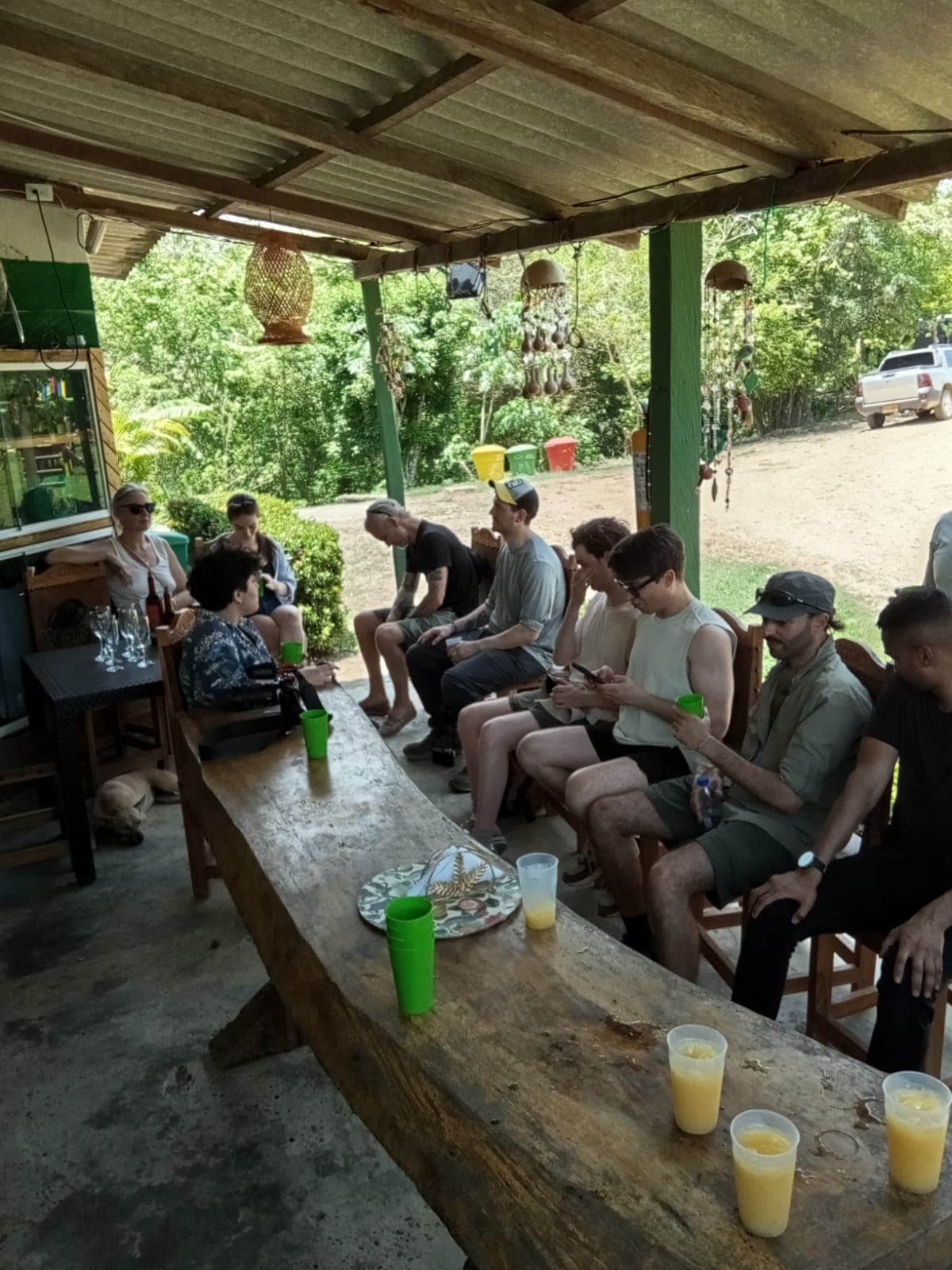
Omar Enrique Berdugo Cabeza, director of the foundation, was the one who kept the memory of that day: the fruit trays, the visitors resting beneath the wooden shelters with glasses of juice in hand, the horses trotting along the dirt path. All the ordinary things that, in this 520-hectare corner of land near Cartagena, somehow sound like something extraordinary.
About the author
Omar Enrique Verdugo Cabeza · Cuidador de las aves
Omar has been working at Fundación Loros since 2023. He knows the wilderness and Cerro El Peligro better than anyone. Once a hunter, he has since become a guardian of wildlife. Today, the parrots recognize him and follow him when he returns home — a testament to a bond built on respect and transformation.