School field trips in a nature reserve
One hour from Cartagena: 500 hectares of tropical dry forest where students plant trees, feed rescued birds and learn by doing. Ages 5 and up.
Verified credentials
- Peer-reviewed scienceBird Conservation International · Cambridge
- eBird hotspot200+ species documented
- Legally authorizedCARDIQUE · Res. 1972/2022
- Registered tour operatorRNT 236330 · Colombia
Environmental education · Children and youth
The classroom is the forest.
It's not a decorative field trip. The kids plant trees, feed animals, observe, and come back with questions that came from the work — not from a PowerPoint. We design each day with the school so it connects to the curriculum and the age of the group.
The Fundación Loros school program is a hands-on conservation field trip at a 500-hectare nature reserve 35 km from Cartagena (about one hour away), in Villanueva, Bolívar. Visits run 1.5 to 3 hours for groups of 20–40 students ages 5 and up: native tree planting, feeding rescued parrots and macaws, wildlife monitoring and a walk through the tropical dry forest. COP $35,000 per student.
Purpose
For every student to have a direct, unmediated experience of how conservation works: what it takes to care for a wild animal, what restoring an ecosystem means, why the tropical dry forest matters for Colombia.
How it works
The group splits into rotating subgroups, each led by a keeper or biologist from the team. Each subgroup has a specific mission for the day — tree planting, monitoring, feeding, enrichment — and at the end of the day there is a closing session where students share what they learned.
Sessions run 1.5 to 3 hours on site, depending on the activities and the group's level. They include a forest walk, hands-on workshops, and observation logs that students can bring back to the classroom.
In practice
Not an exhibit. Participation.
Fundación Loros offers regenerative, immersive experiences for schools. Students take part in conservation work — planting trees, harvesting fruit, preparing food for the birds, and monitoring the animals released across Los Loros.
It's not an exhibit. It's participation: each visit leaves the territory better than they found it.
What you do, what you learn
Five practices, five learnings
Hike through the tropical dry forest
Recognize native plant species, read tracks, listen to birds. Learn what makes a forest healthy.
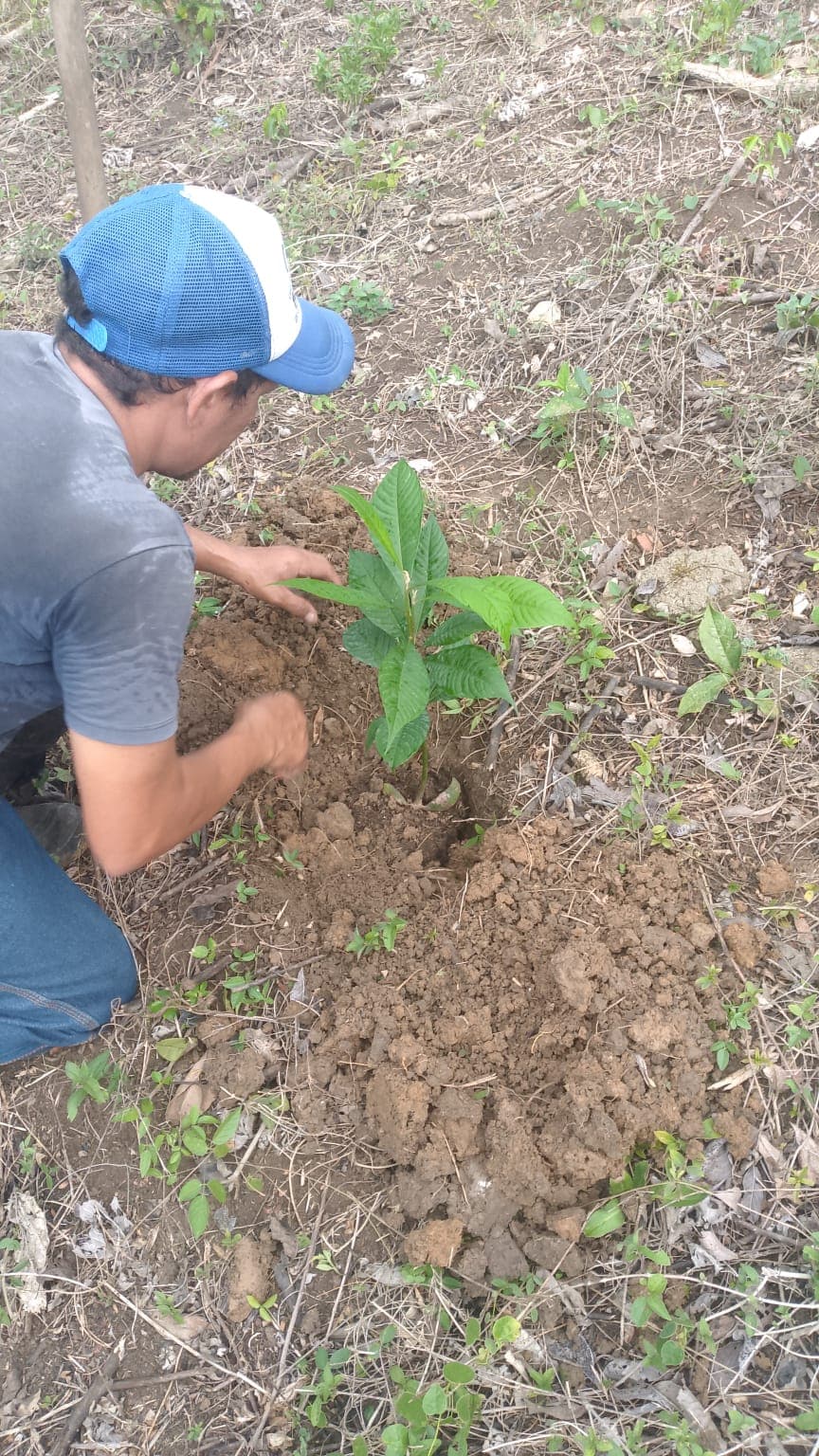
Tree planting of a native tree
Each student plants their own tree, linked to their name. You learn what species it is, why it belongs in the tropical dry forest, and how it will keep growing after you leave.
Wildlife monitoring
Record what the biologists see every day: birds, reptiles, small mammals. Understand why data matters as much as photographs.
Bird food preparation
Cut fruit, mix seeds, measure portions. See where the real care of an animal in rehabilitation comes from.
Environmental enrichment
Build perches, hide food, assemble objects that stimulate natural behavior. Learn why a bird needs to think in order to go wild again.
Students don't remember what you tell them. They remember what they did with their hands.
The species they will meet
Students get to know the program's 8 psittacine species up close. And beyond them: primates, mammals, reptiles and 200+ bird species share the reserve.
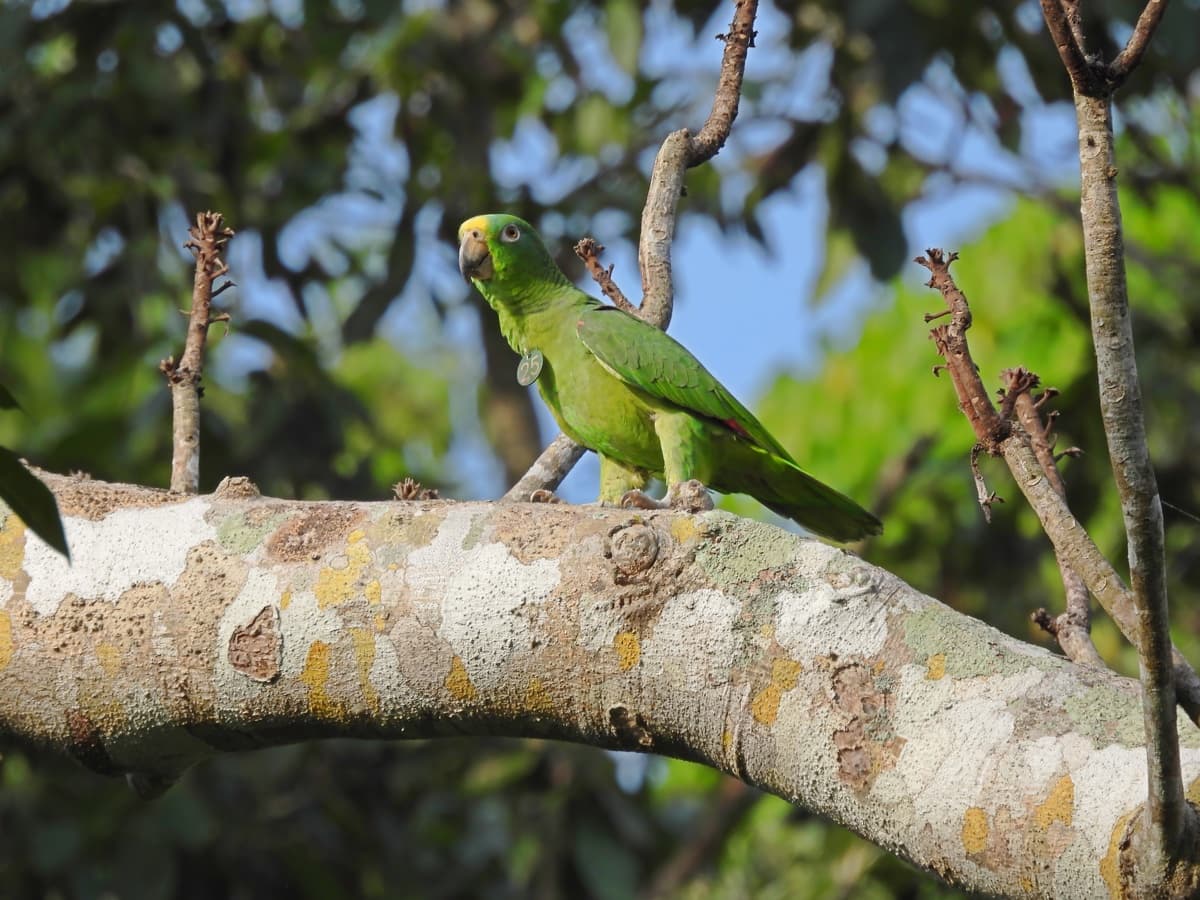
Yellow-crowned amazon · Amazona ochrocephala
Lora frentiamarilla
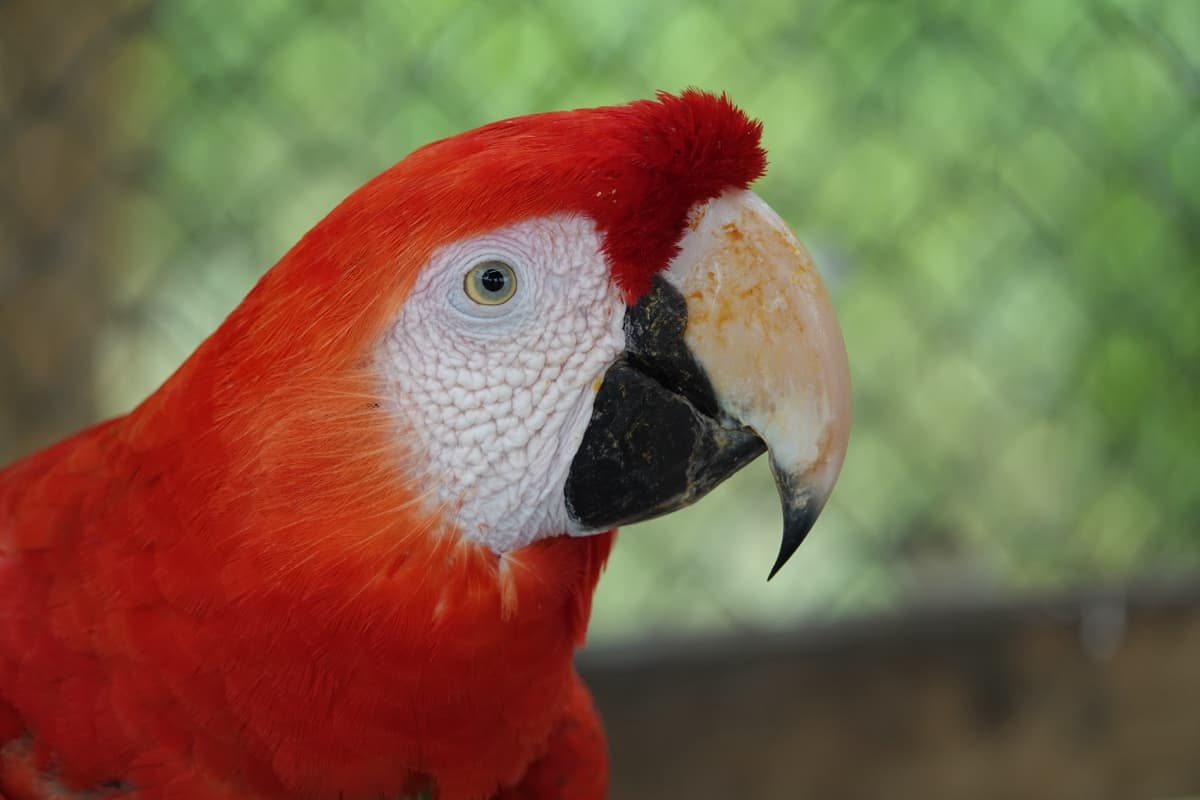
Scarlet macaw · Ara macao
Guacamaya bandera
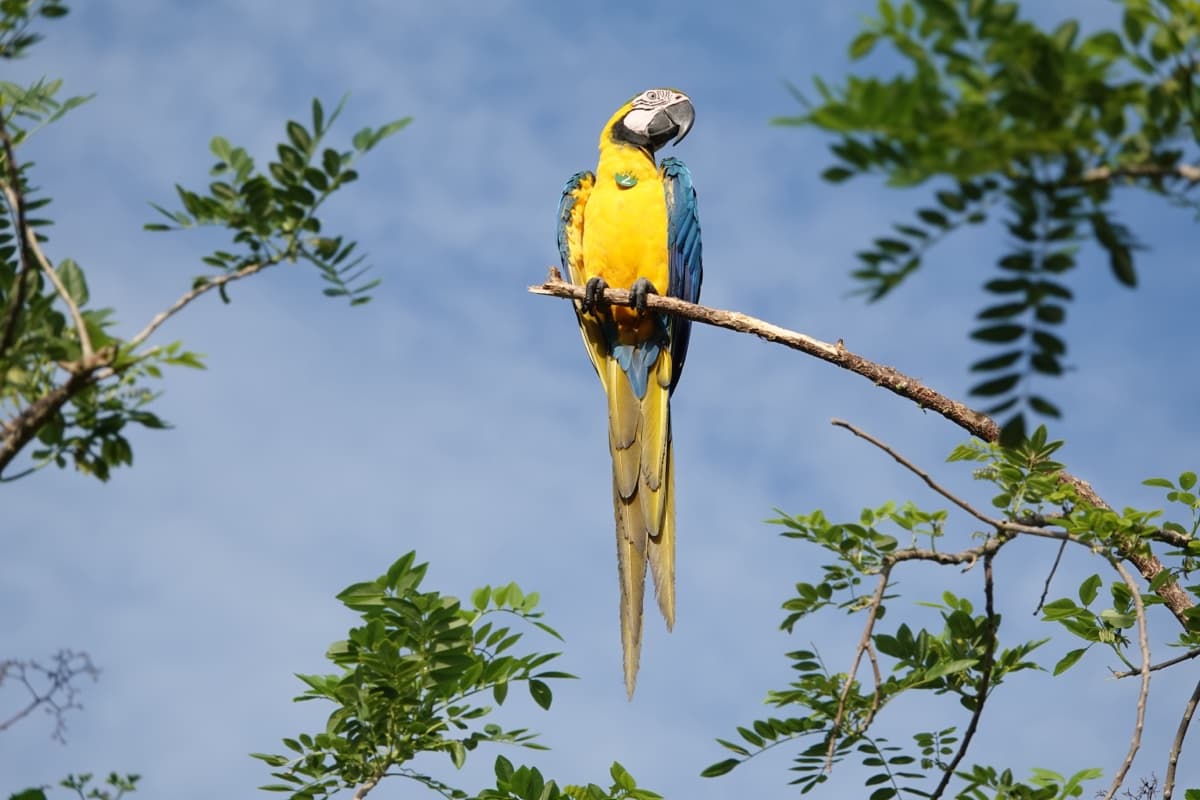
Blue-and-yellow macaw · Ara ararauna
Guacamaya azul y amarilla
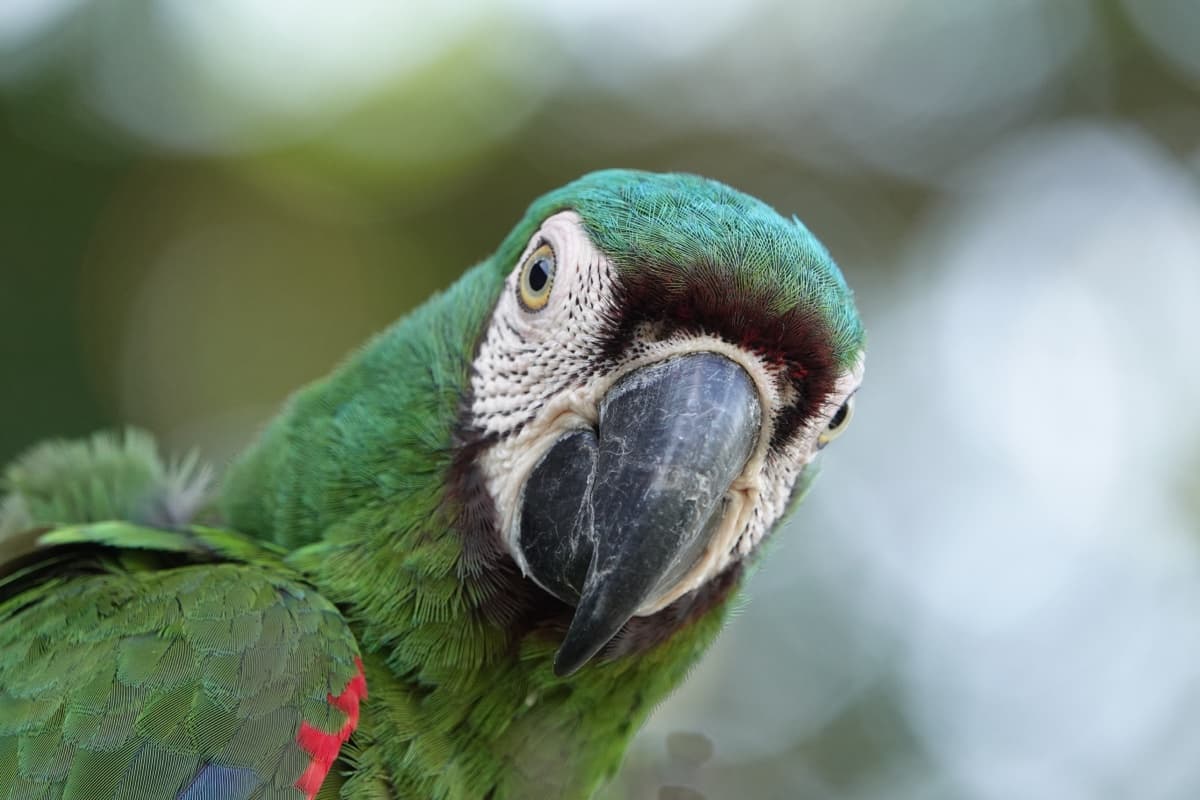
Chestnut-fronted macaw · Ara severa
Guacamayo cariseco
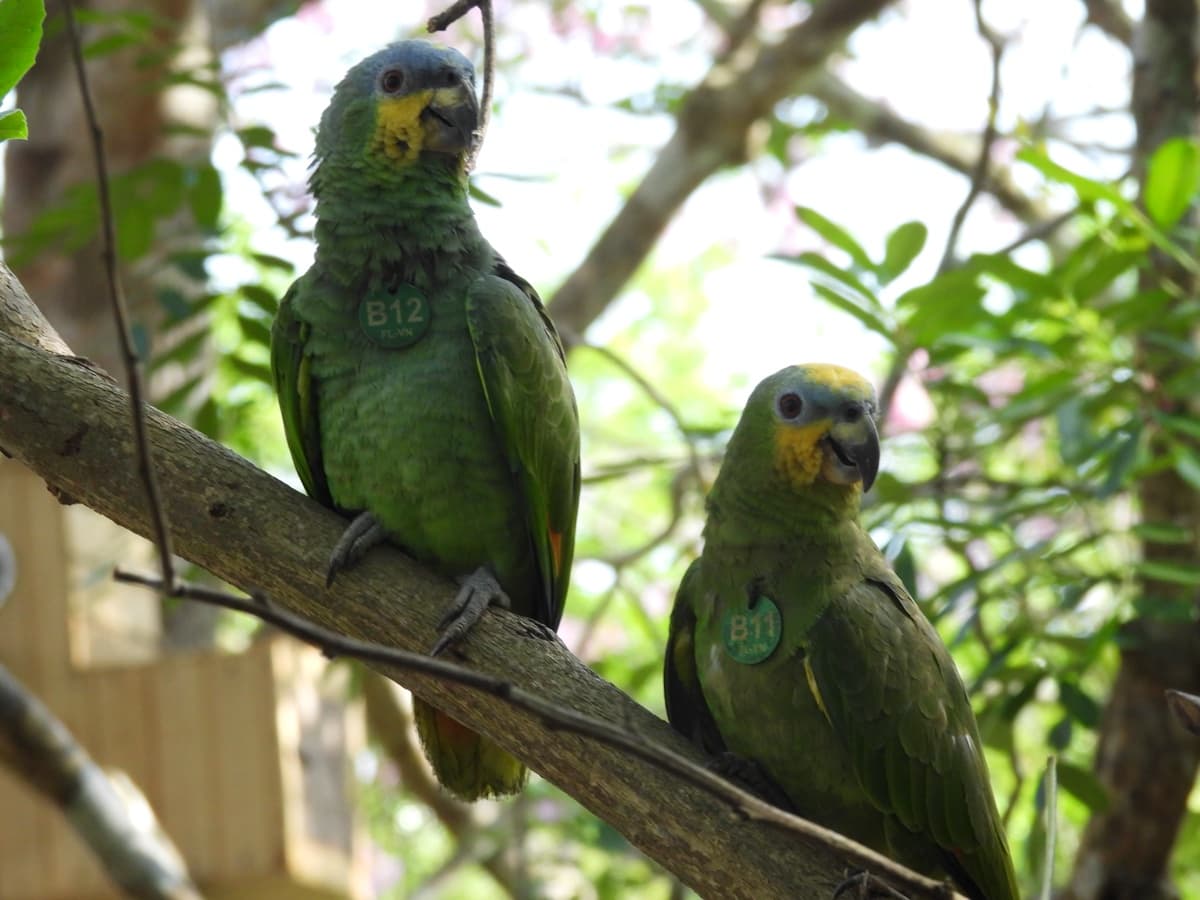
Orange-winged amazon · Amazona amazonica
Lora frentiazul
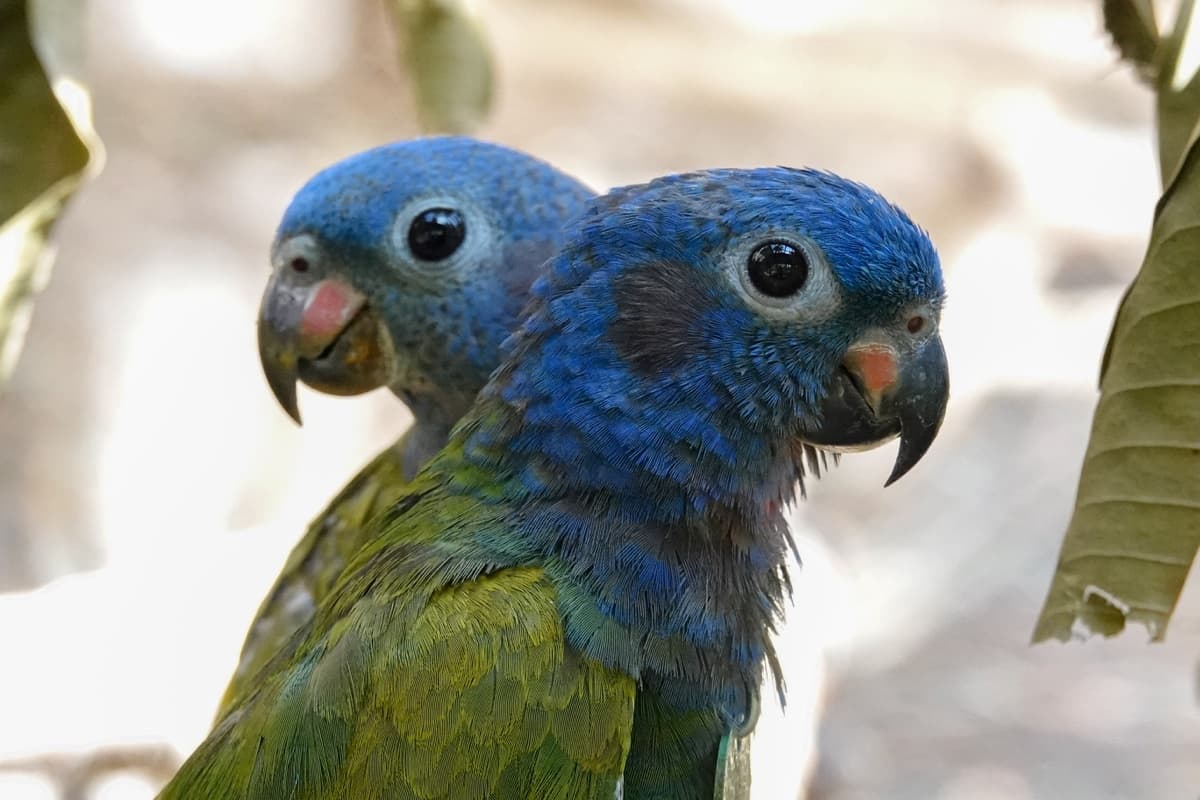
Blue-headed parrot · Pionus menstruus
Loro cabeciazul
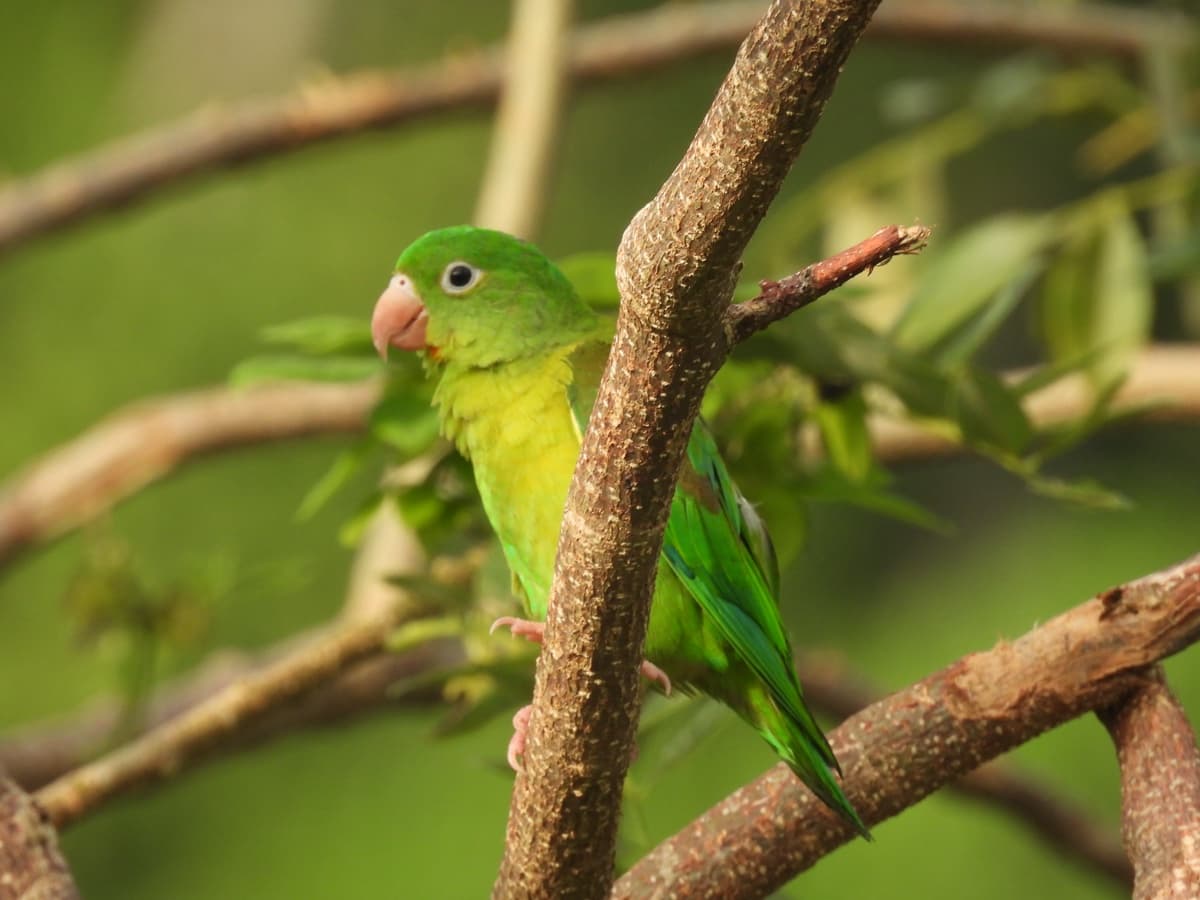
Orange-chinned parakeet · Brotogeris jugularis
Periquito alibronceado
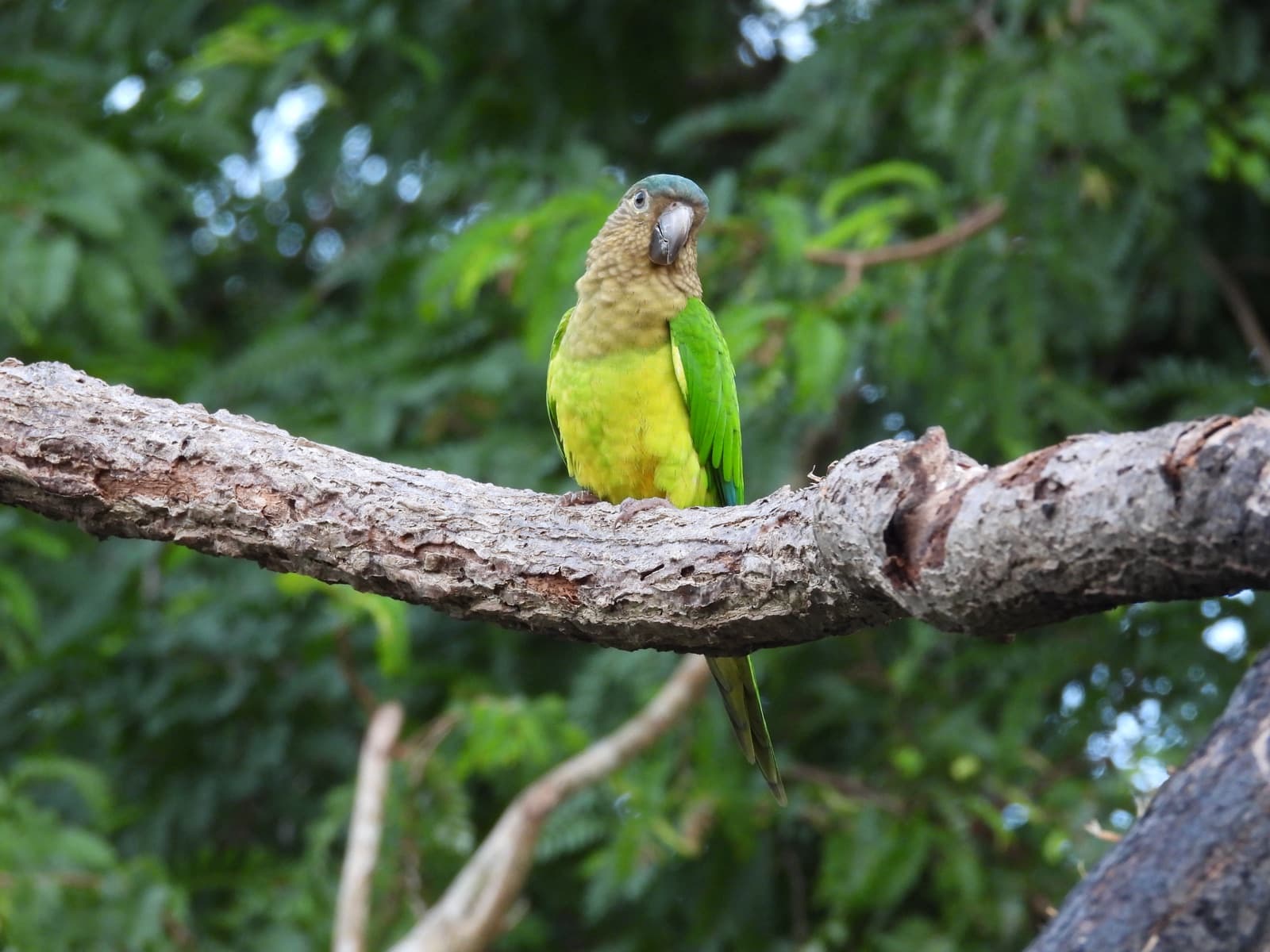
Brown-throated parakeet · Eupsittula pertinax
Cotorra carasucia
The reserve
The place you're coming to
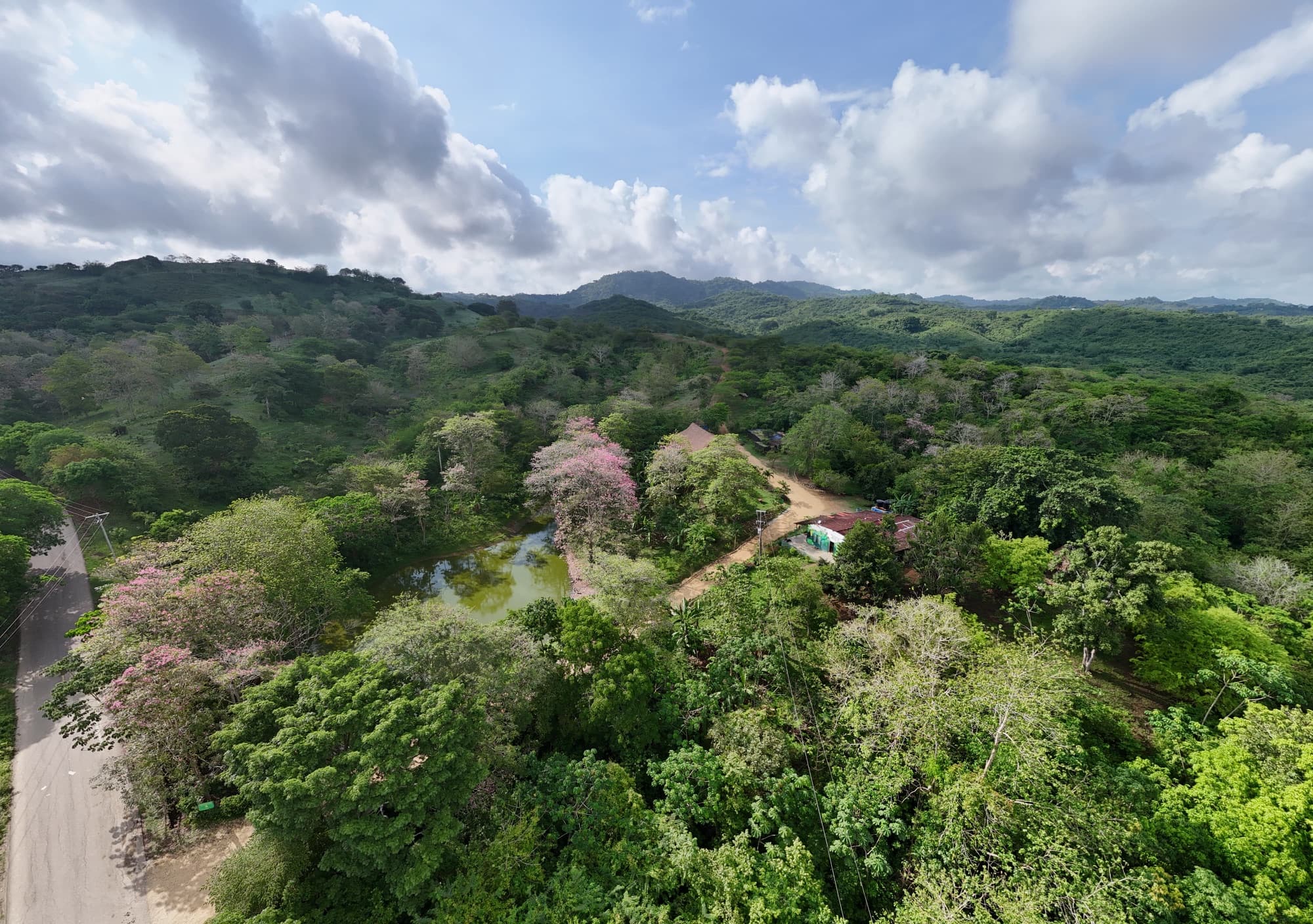
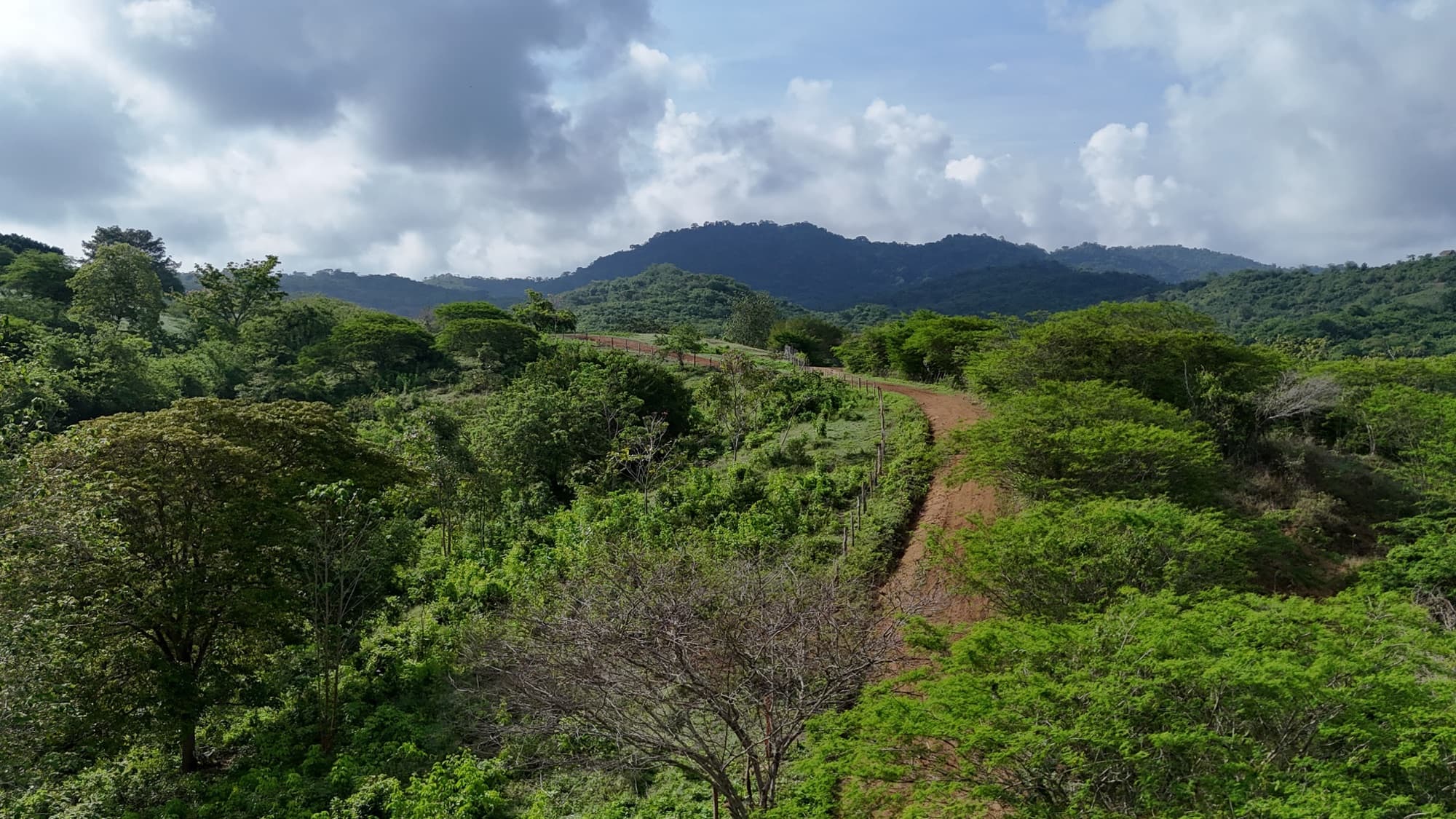
500 hectares of tropical dry forest one hour from Cartagena, in Villanueva (Bolívar). This is what welcomes you on arrival.
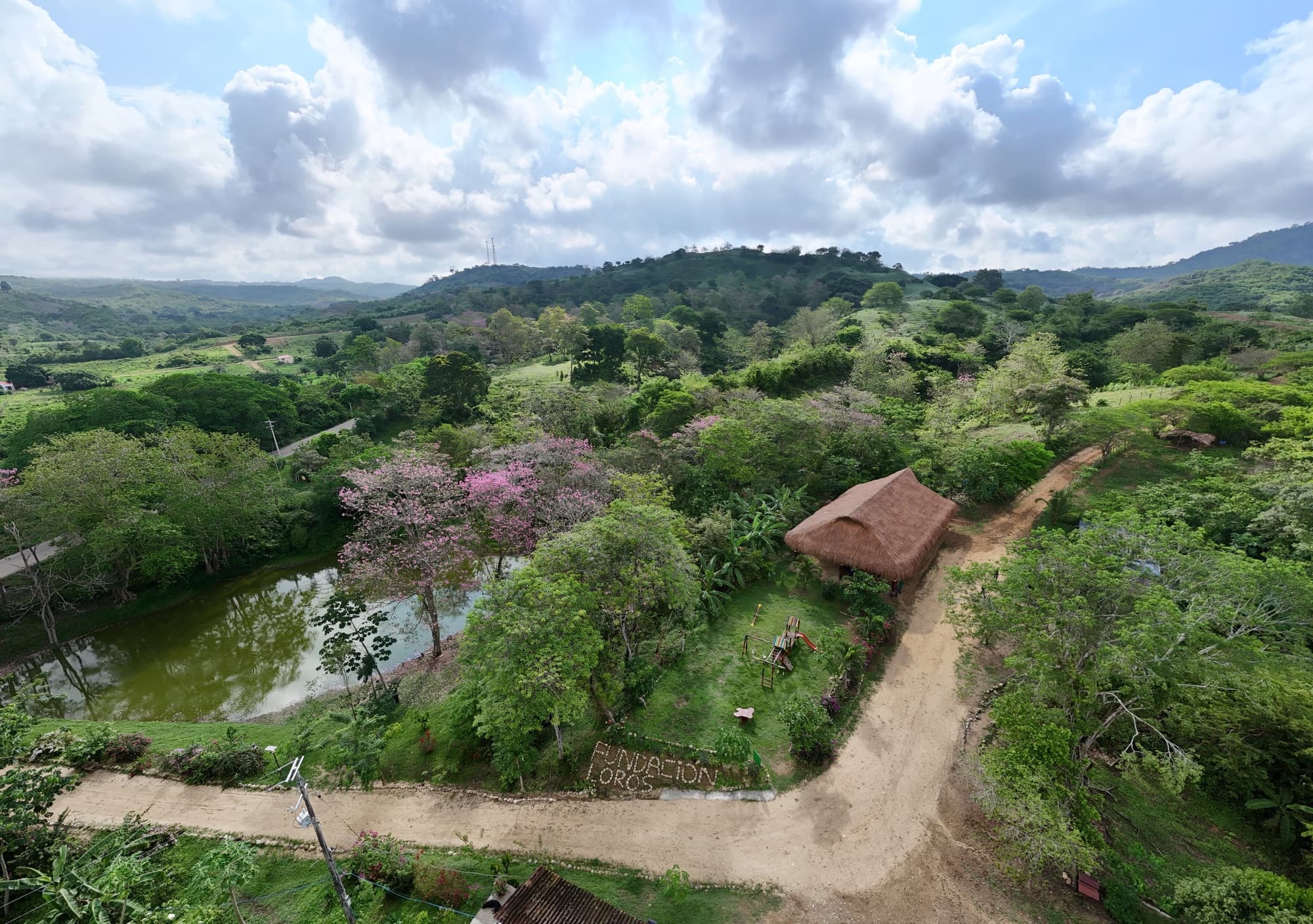
Meet Fundación Loros
Why we exist and where you're going, in a couple of minutes.
From one parrot to a reserve
What that one parrot set in motion: 500 hectares of protected dry forest, hundreds of birds in rehabilitation, and the daily work students get to know during the visit.
Logistics
We work with groups of up to 40 students divided into subgroups. Ages: 5 and up. We adapt the content and duration of the missions to each age group. Includes a welcome and closing snack (lemonade and fruit), guides, and all materials — transport, insurance and the main meal are arranged by the school. The route from Cartagena and the meeting point are in how to get there.
Contribution
Each day leaves a material mark: trees planted, observations recorded, food prepared, enrichment elements built. But the most important contribution is awareness, early: students who understand, in their bones, that conservation is something you do.
Schedule
What the visit looks like
Sample schedule for a 2.5-hour visit. We adapt it to the group's ages and available time (1.5 to 3 hours on site).
9:00
45 min
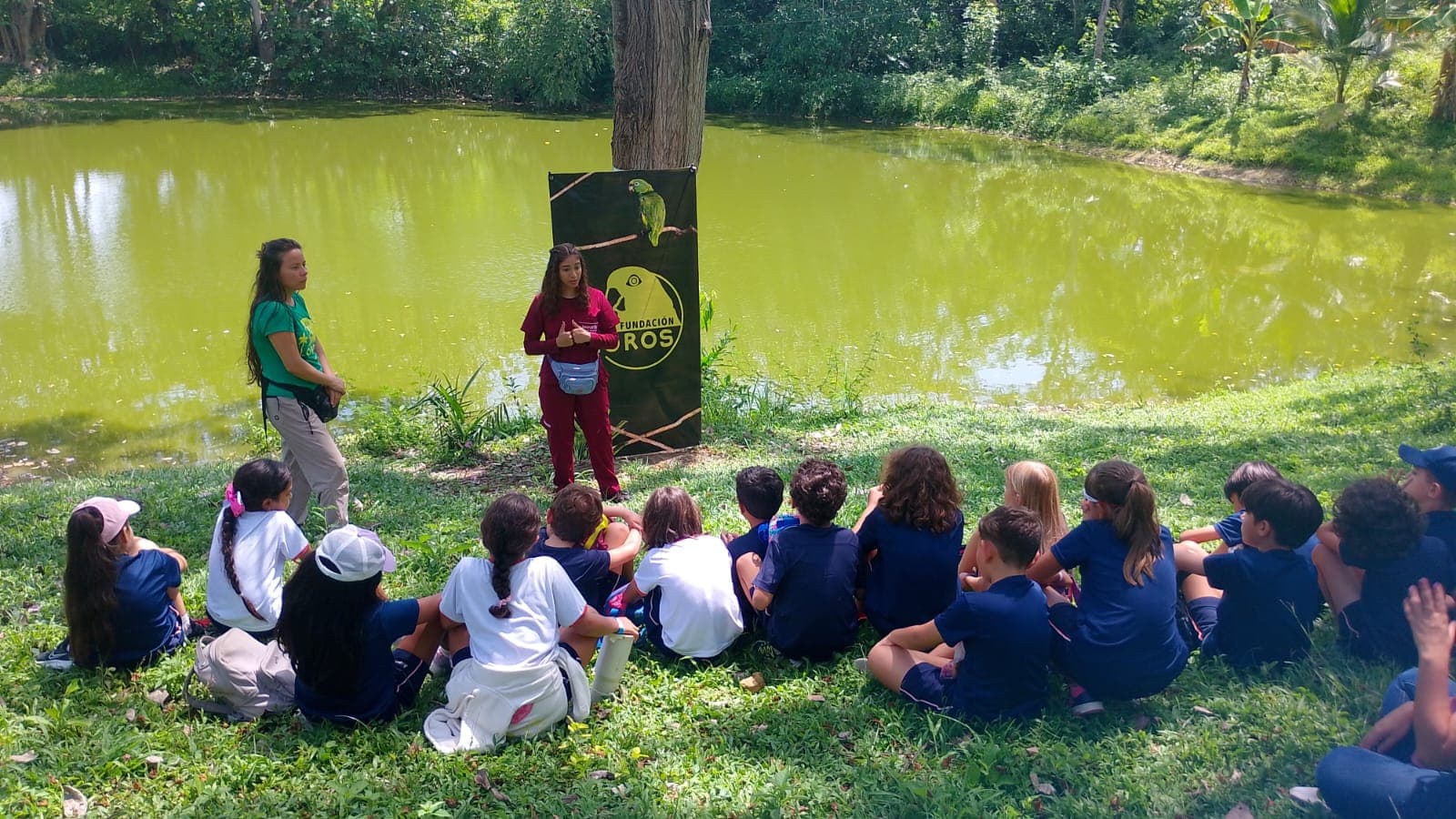
Welcome and talk by the lake
The Foundation's story and the causes we fight: illegal trafficking, the pet trade and deforestation. We present our 4 pillars — rehabilitation, reforestation, education and local employment. Includes a welcome snack (lemonade and fruit).
9:45
15 min
Feeding the birds
What a recovering parrot eats: fruit, seeds and vegetables — and why learning to recognize native fruits matters. Good nutrition shows in the feathers and behavior.
10:00
30 min
Environmental enrichment
Students place native branches and stimuli and watch how the birds' behavior changes. They meet real cases of traumatic captivity versus rehabilitated birds, and learn why parrot monogamy matters in rehabilitation.
10:30
40 min
Cotton-top tamarins, in the wild
A walk along the observation trail to spot cotton-top tamarins already released and others on their way to release. A reflection on habitats shared by different species.
11:10
20 min
Planting native trees
Each student takes part in planting native trees in the restoration zone. We close with a reflection — every tree is a promise of free life for our birds — and a farewell snack offered by the Foundation.
The visit, at a glance
Cost
COP $35,000 per student
Duration
1.5 to 3 hours on site
Depending on the chosen activities
Group size per shift
20 to 40 students
Larger groups are split into shifts
Transport and insurance
Arranged by the school
Snacks
Included at start and close
Lemonade and fruit, offered by the Foundation
Frequently asked questions
How much does it cost and what's included?+
COP $35,000 per student. It includes a welcome and closing snack (lemonade and fruit), team guides and all activity materials. Transport, insurance and the main meal are arranged by the school.
How many students can come?+
Between 20 and 40 students per shift. Larger groups are split into shifts (morning and afternoon) so each subgroup has a guide and the birds stay calm.
How long is it and where is it?+
Between 1.5 and 3 hours on site, depending on the chosen activities. The reserve is 35 km from Cartagena — about a 1-hour ride on the transport arranged by the school.
What ages is it for?+
From 5 years old. We adapt the content and length of the missions to each age group — tell us the ages in the form and we will tailor the visit.
Is it safe for children?+
Yes. Subgroups are always led by a team keeper or biologist, there is a military post next to the reserve, internal vehicles for emergencies and a nearby health center. Student insurance is handled by the school.
How do I book a school field trip?+
Fill in the registration form on this page with your school's details (city, contact, number of students and ages) or write to us on WhatsApp. We confirm the date subject to availability and tailor the visit to your group.
What activities does the field trip include?+
Native tree planting, preparing food and feeding rescued parrots and macaws, environmental enrichment, a walk through the tropical dry forest and wildlife watching. The reserve records more than 200 bird species and is home to three primate species.
Registration
Bring your school
Leave us the group details and we will contact you to book the date and tailor the visit.
Want to bring your school?
Write to us on WhatsApp. We coordinate dates, content, and logistics based on your group's level.