The best place for birdwatching near Cartagena de Indias: Loros Wildlife Sanctuary
If you're looking for a quiet, biodiverse spot for birdwatching near Cartagena de Indias, you may be surprised to learn that one of the most recommended destinations is just one hour from the city.
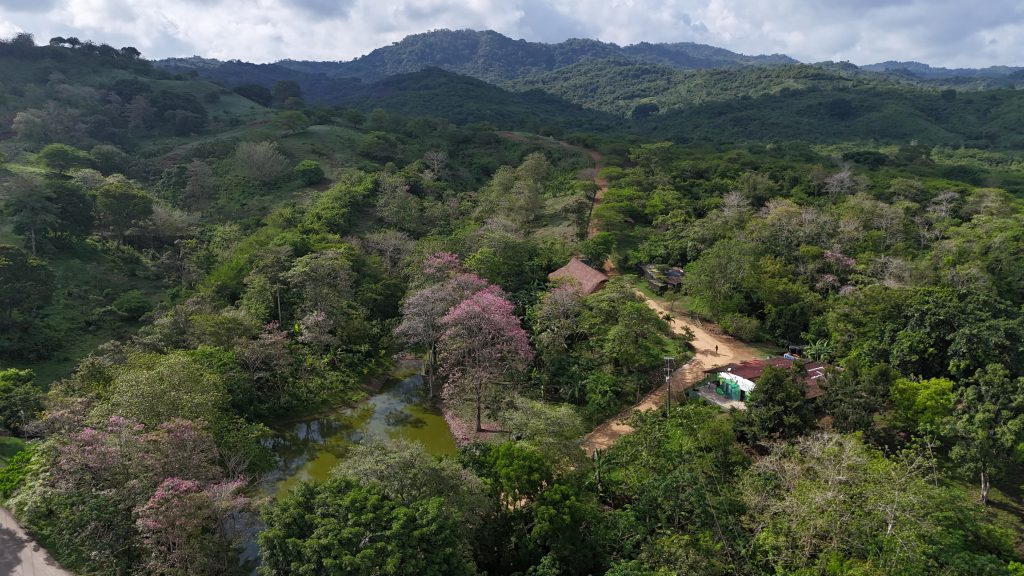
Set within more than 500 hectares of tropical dry forest, Loros Wildlife Sanctuary is a reserve in active regeneration that brings together birdwatchers, nature lovers, and people committed to conservation. It offers an uncommon combination: safety, biological richness, and a context of active ecological restoration, parrot rehabilitation, and scientific research.
A hotspot recognized by eBird
The sanctuary is registered as an official eBird hotspot, with more than 200 documented species to date.
Some of the most notable species include:
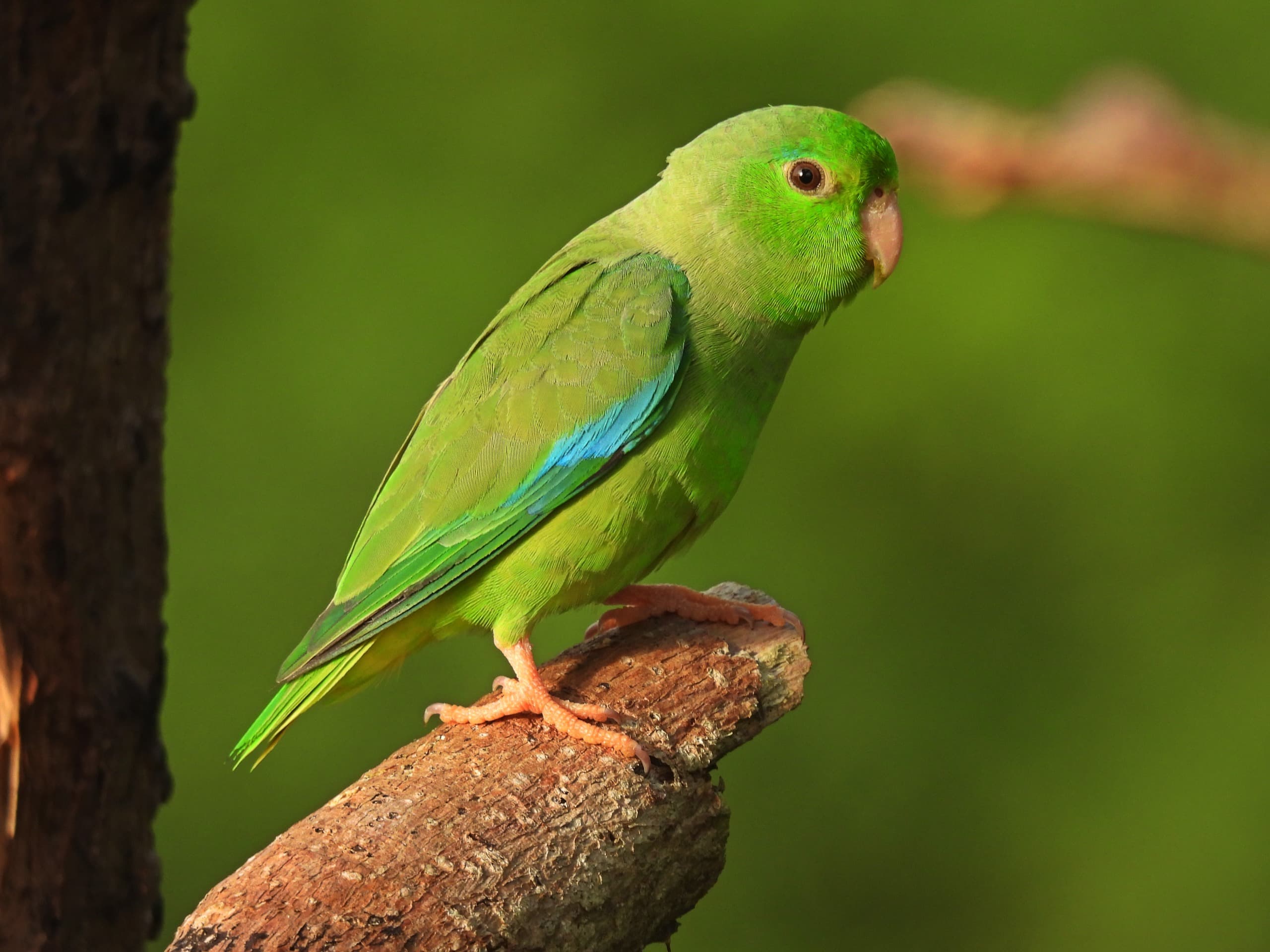
- Endemic: Forpus spengeli (turquoise-winged parrotlet), Ortalis garrula (Colombian chachalaca)
- Near-endemic: Arremon schlegeli, Chlorostilbon gibsoni, Nonnula frontalis,
Picumnus cinnamomeus, Thamnophilus melanonotus, Synallaxis candei,
Saucerottia saucerottei, Chrysuronia goudoti - Charismatic: Ramphastos sulfuratus (keel-billed toucan)
- Rare: Coccyzus lansbergi
This diversity — from common species to genuinely hard-to-find birds — makes Loros one of the most compelling birdwatching sites on the Colombian Caribbean coast.
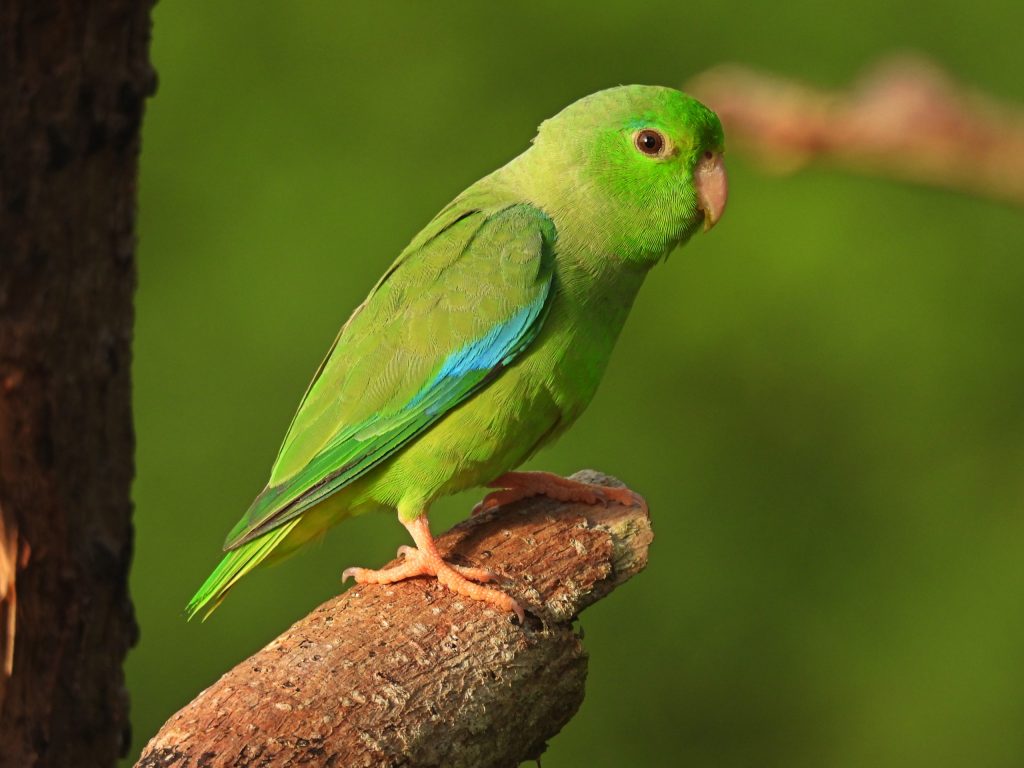
More than birdwatching: rehabilitation and research
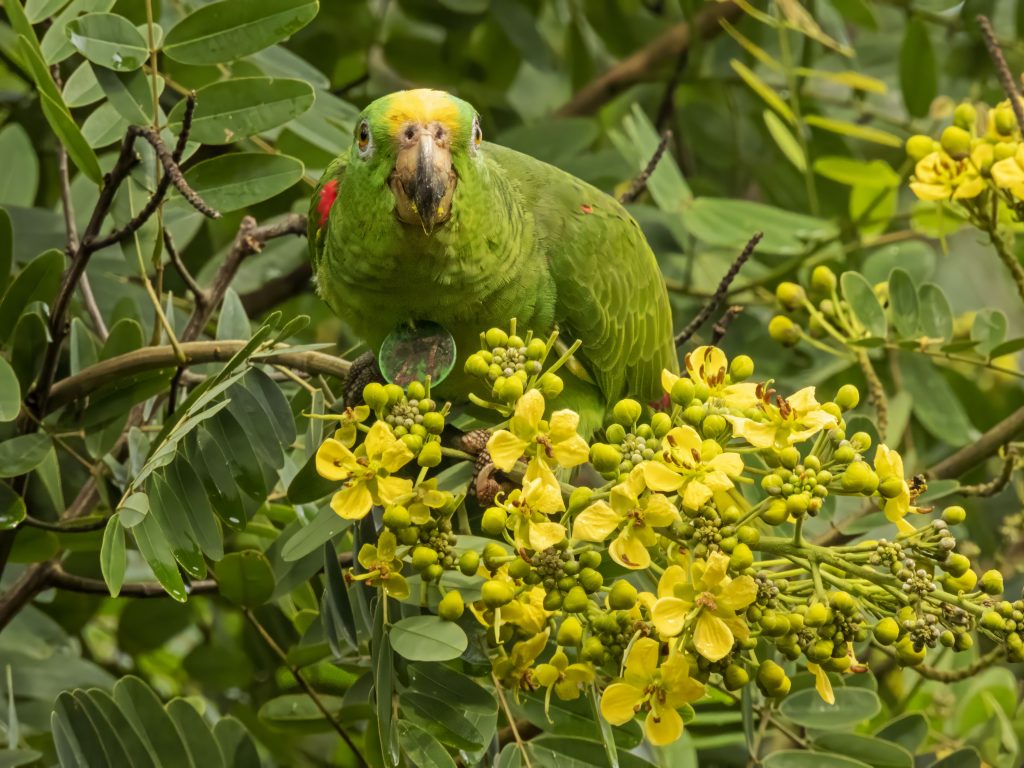
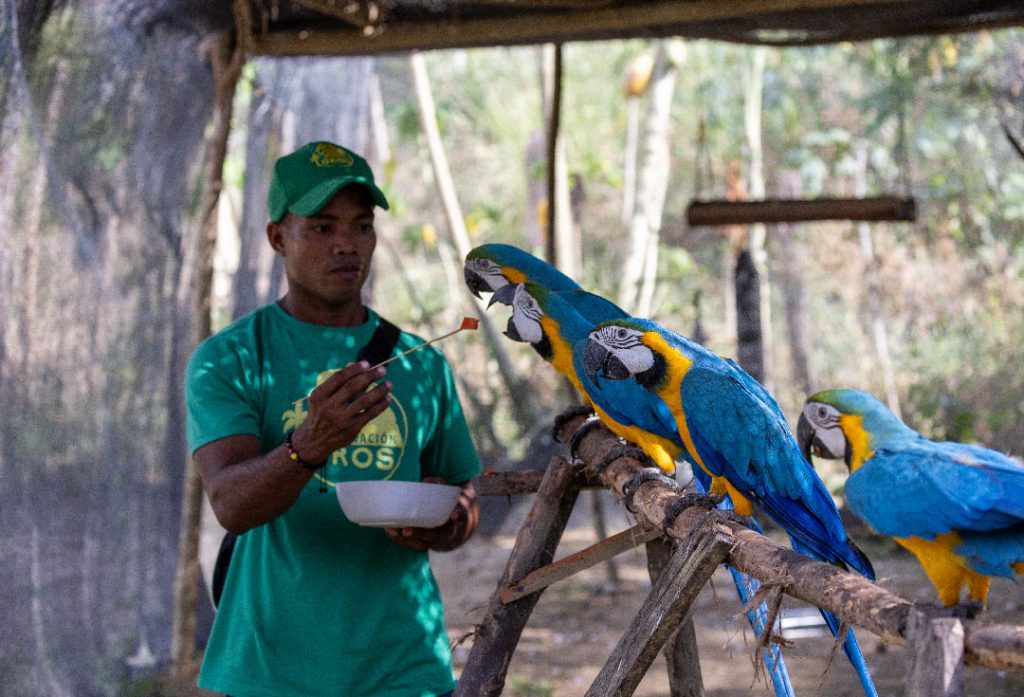
Fundación Loros is also the only center in Colombia that actively specializes in the rehabilitation of parrots and macaws rescued from illegal wildlife trade.
Species currently in care include:
- Amazona ochrocephala, A. amazonica, A. farinosa, A. autumnalis
- Pionus menstruus, Forpus spengeli, Brotogeris jugularis, Eupsittula pertinax
- Ara macao, Ara ararauna, Ara chloropterus, Ara severus
Beyond care and release, the foundation runs field-based scientific research projects focused on the behavior, diet, and adaptation of released parrots. One example is a study on which foods rehabilitated parrots prefer when they return to the forest:
▶️ Watch the video series on feeding in the wild
This combination of science, conservation, and education gives every visit real purpose.
A safe, remote, and wildlife-rich environment
Just 35 km from Cartagena, the sanctuary sits inside tropical dry forest, one of the most threatened ecosystems on the planet. The protected area includes:
- More than 500 hectares of secondary forest, restoration zones, and agroforestry
- A permanent professional team of biologists, veterinarians, and caretakers
- A military post adjacent to the property that ensures security
- A health center less than 5 minutes away
- All-terrain vehicles for internal mobility when needed
Beyond birds, the reserve is home to:
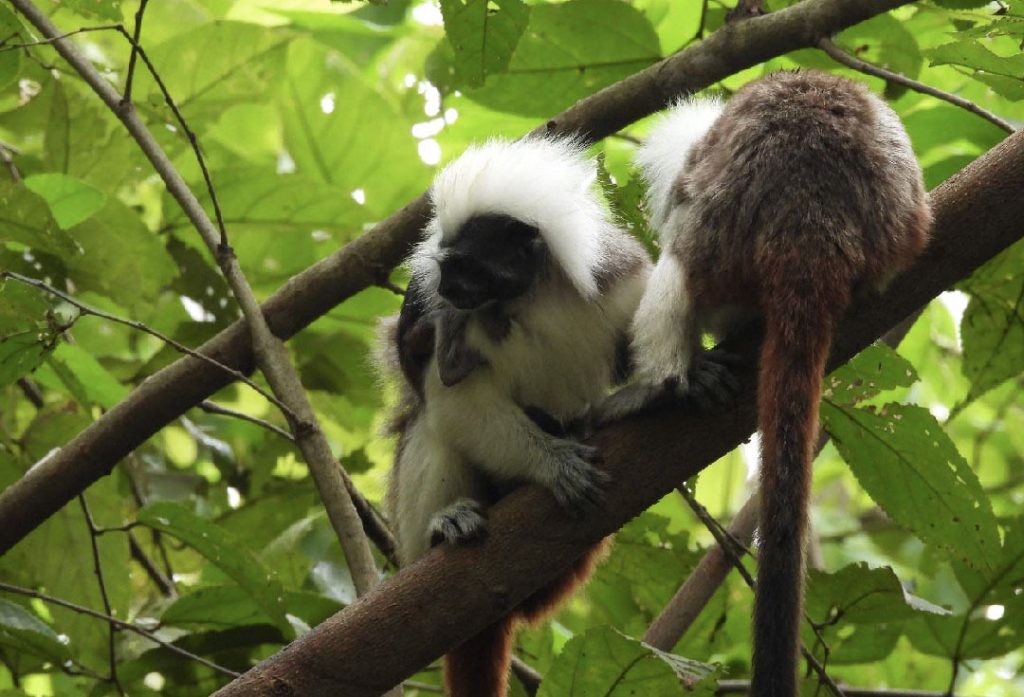
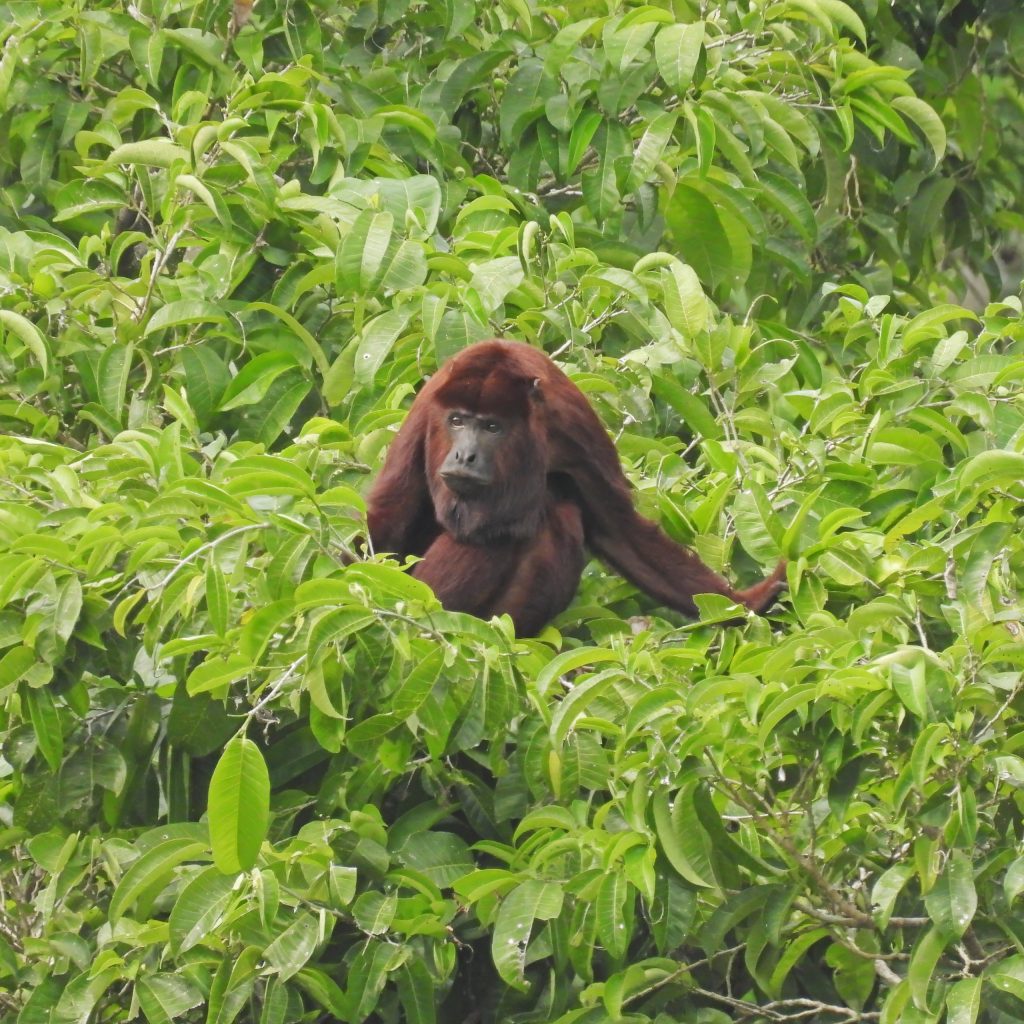
- Three species of monkeys
- Sloths, turtles, armadillos, iguanas
- A wide range of insects, reptiles, and mammals of the tropical dry forest
▶️ Watch this video series with panoramic views of the sanctuary
The experience
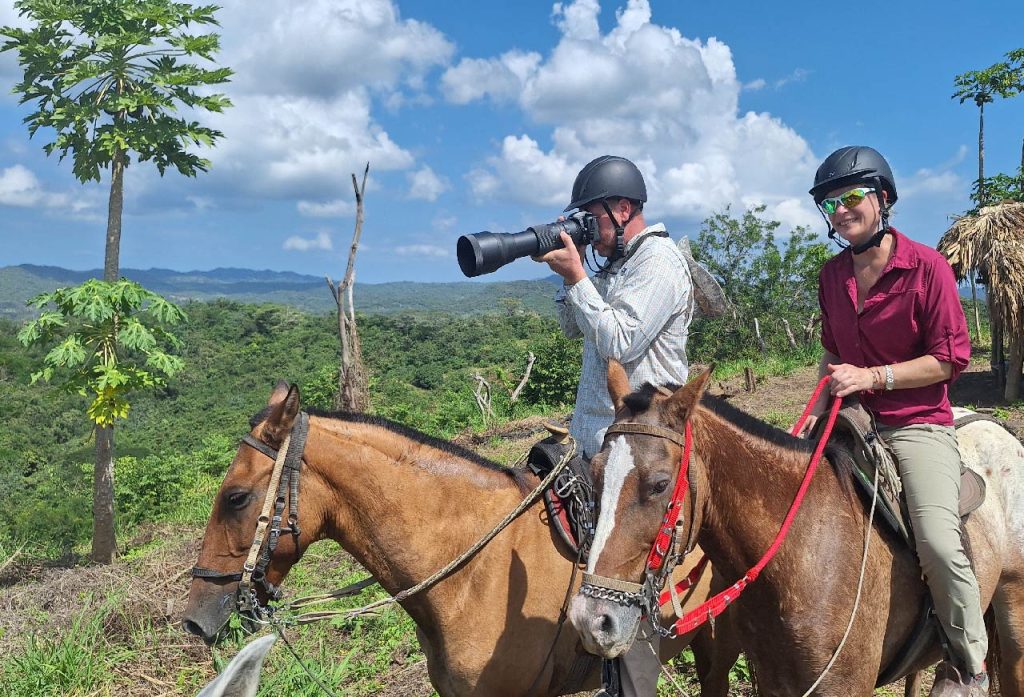
Birdwatching takes place on guided walks — usually at dawn or dusk — through forest trails and restoration areas. For those who prefer a slower pace, there are also routes on horseback.
Every visit includes:
- Private transport to and from your hotel in Cartagena
- Water and a light snack
- Bilingual guides with backgrounds in biology or veterinary science
- The option to visit local farming families who grow cassava and corn inside the reserve
This isn't just about watching birds. It's about understanding the ecosystem, its threats, and the real work being done to protect it.
In short
Loros Wildlife Sanctuary may not be the most well-known birdwatching destination near Cartagena, but for many visitors it becomes the most meaningful one. If you want a place that is authentic, has real conservation impact, and puts you in genuine contact with nature, this one is worth your time.
📍 35 km from Cartagena
🌿 Tropical dry forest (one of the most threatened ecosystems in the world)
🐦 More than 200 recorded bird species
🔗 View the hotspot on eBird
Come for the birds. Stay for the mission.
Open review
Reviews of this article
This text gets corrected with input from the field. You can review the whole article below, or scroll back up and flag a specific paragraph while you read. We read every submission before publishing it.
This article has no published reviews yet. If something you read contradicts your experience, misses a nuance, or you can add to it from your own fieldwork, write it here: we read all of it.
Leave your review
You can review the whole article from here, or flag a specific paragraph while you read.