En familia · Para residentes en Colombia
Una mañana en familia entre loros, guacamayas y monos
Caminata ecológica guiada por el bosque seco tropical, a 35 km de Cartagena. Dos horas, de 9:00 a 11:00 a. m., para disfrutar con niños desde los 2 años.
Plan solo para residentes en Colombia: los adultos presentan su cédula al llegar. Todas las visitas son con reserva previa.
De un vistazo
Precio
$50.000 por adulto
Niños de 2 a 12 años: $40.000. Desde los 13 años, precio de adulto.
Horario
9:00 a 11:00 a. m.
De lunes a sábado. Unas 2 horas en la reserva.
Edades
Desde los 2 años
Un plan para toda la familia.
Cupo
Máximo 40 personas por día
Reserva y paga en línea para asegurar tu lugar.
Idioma
Español
Requisito
Cédula colombiana
Solo residentes en Colombia: los adultos la presentan al llegar.
Dónde
Reserva de Fundación Loros
Ver en Google Maps →
Una mañana para conocer en familia el trabajo de la fundación: preparan con nuestro equipo la comida de los monos y los loros, caminan con un guía por el bosque seco tropical y terminan con las manos en la tierra — recogiendo frutas y semillas, sembrando árboles y aprendiendo a reconocer las especies del bosque.
Es un plan en español y solo para residentes en Colombia: los adultos presentan su cédula al llegar. Los niños pueden venir desde los 2 años.
Todo lo que pagas va a la rehabilitación de loros y guacamayas y a los gastos operativos de Fundación Loros, una organización sin ánimo de lucro.
Cómo es la mañana
Qué haremos juntos
Llegan a las 9:00 y terminan a las 11:00. Los horarios de cada parte son de referencia: el guía los ajusta al ritmo de la familia.
9:00
15 min
Charla de bienvenida
Quiénes somos, cómo rescatamos y liberamos loros y guacamayas, y cómo cuidarnos en el bosque.
9:15
25 min
Preparamos la comida de monos y loros
Cortamos frutas y armamos la comida de los animales en rehabilitación junto al equipo.
9:40
45 min
Caminata ecológica guiada
Recorremos el bosque seco tropical con un guía: loros y guacamayas en libertad y, con suerte y en silencio, los monos tití.
10:25
25 min
Actividades en la naturaleza
Recogemos frutas y semillas, sembramos árboles e identificamos especies del bosque seco tropical.
10:50
10 min
Cierre
Despedida y fotos en familia.
En imágenes
Así se vive la caminata
Grupos de la región recorriendo el bosque seco con nuestro equipo.


Qué vas a ver
Las especies que puedes ver
Estas son las especies de loros y guacamayas que habitan la reserva —muchas rescatadas del tráfico ilegal—. Durante la caminata vas a ver y escuchar varias de ellas.
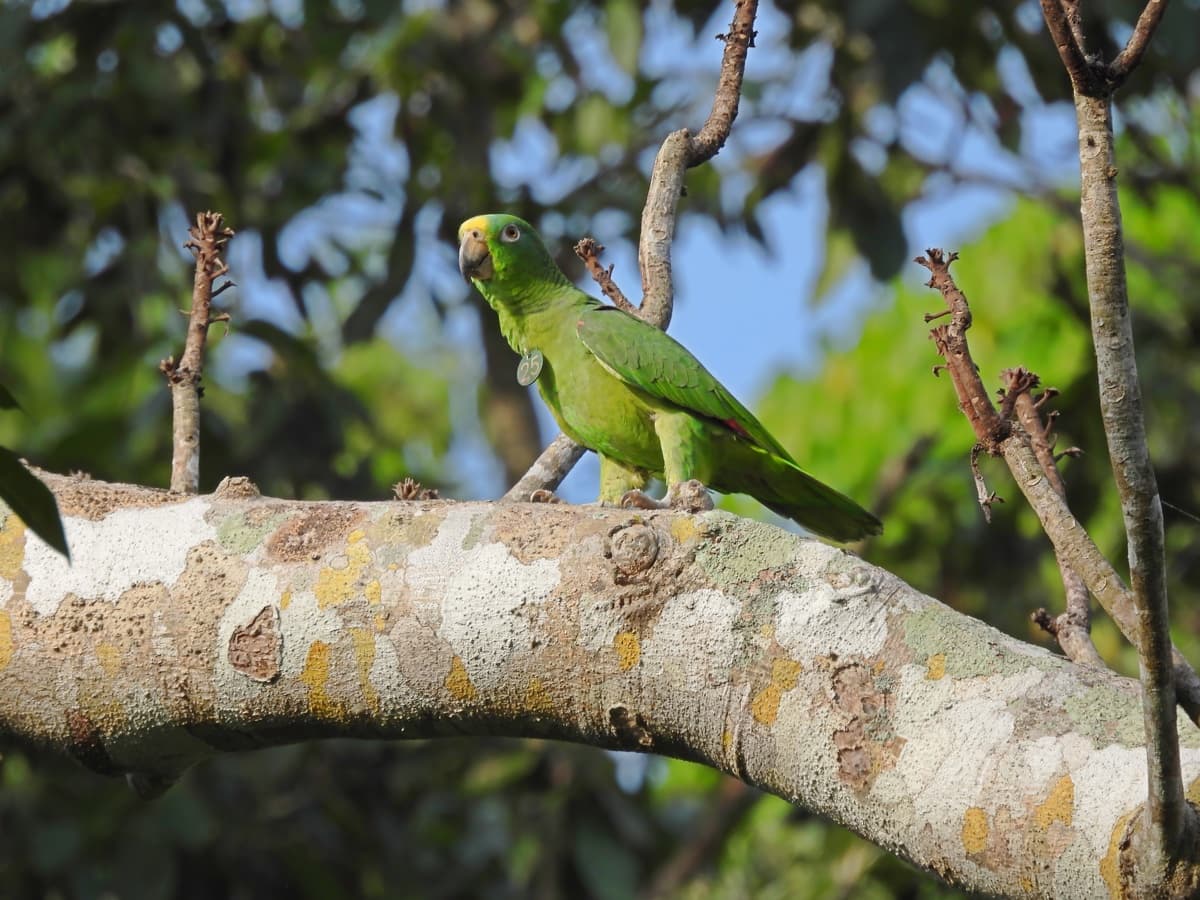
Amazona ochrocephala · Flagship species
Loro frentiamarillo
Our flagship species. A large green parrot with yellow forehead and crown and a red wing patch. The most-trafficked parrot in Colombia, and the reason Fundación Loros was founded: to give a second chance to individuals rescued from captivity and return breeding flocks to the tropical dry forest.
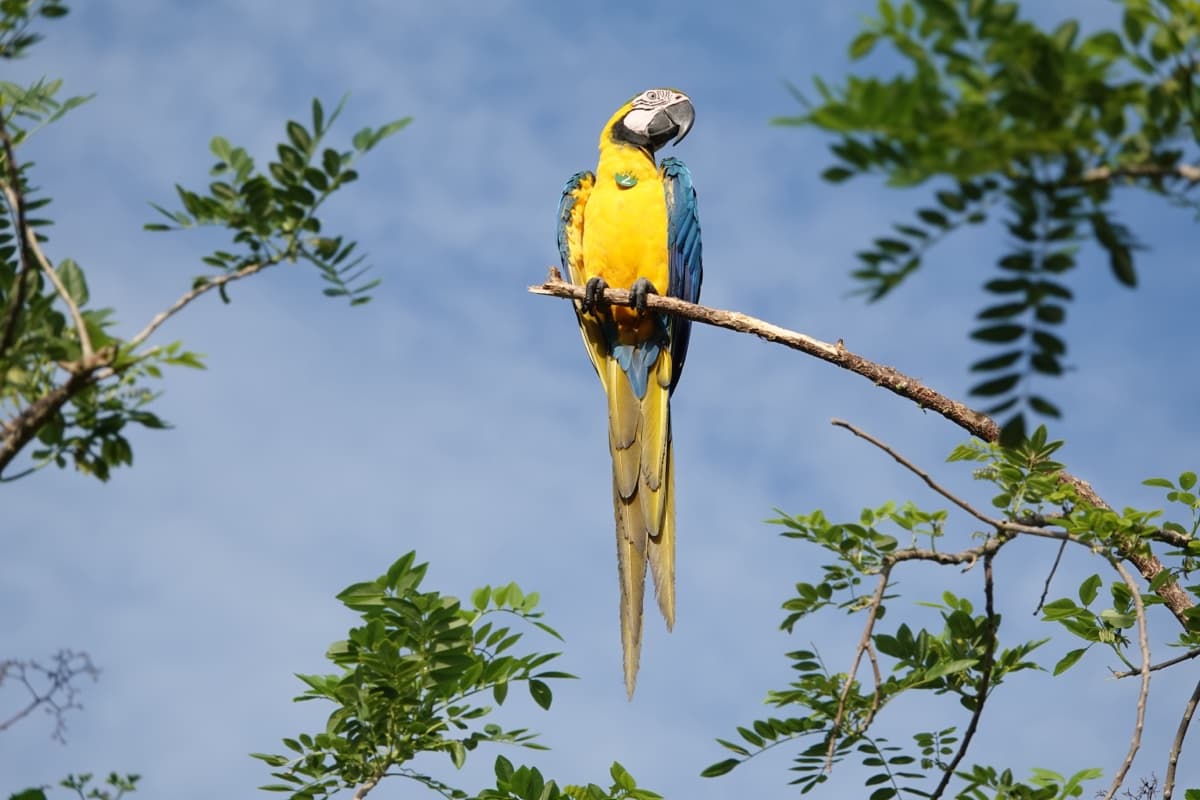
Ara ararauna
Guacamayo azul y amarillo
One of the most recognizable macaws in the tropics: deep blue back, yellow chest, and a white facial mask with black lines. They form stable pairs that fly together above the forest. Their diet centers on seeds, fruits, and palm nuts. In Colombia, populations have been pressed by the illegal pet trade.
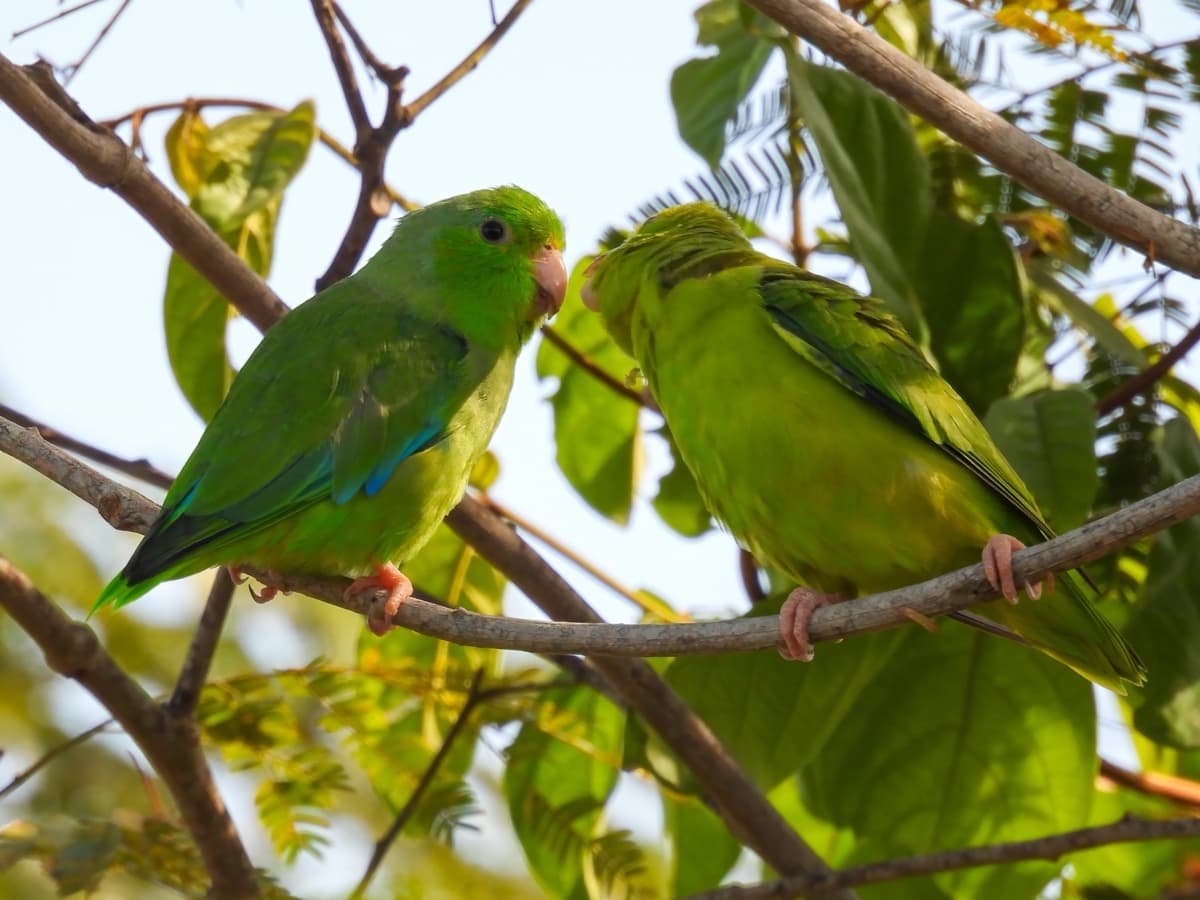
Forpus spengeli
Cotorrita aliturquesa
The smallest of Colombia's parrots — barely 12 cm. Bright green with a turquoise touch on the wings. Endemic to northern Colombia, it lives in small flocks in dry forests and open areas. Its size makes it a frequent target of the illegal trade; in the reserve we see them in flocks over the yarumo trees.
Amazona amazonica
Lora frentiazul
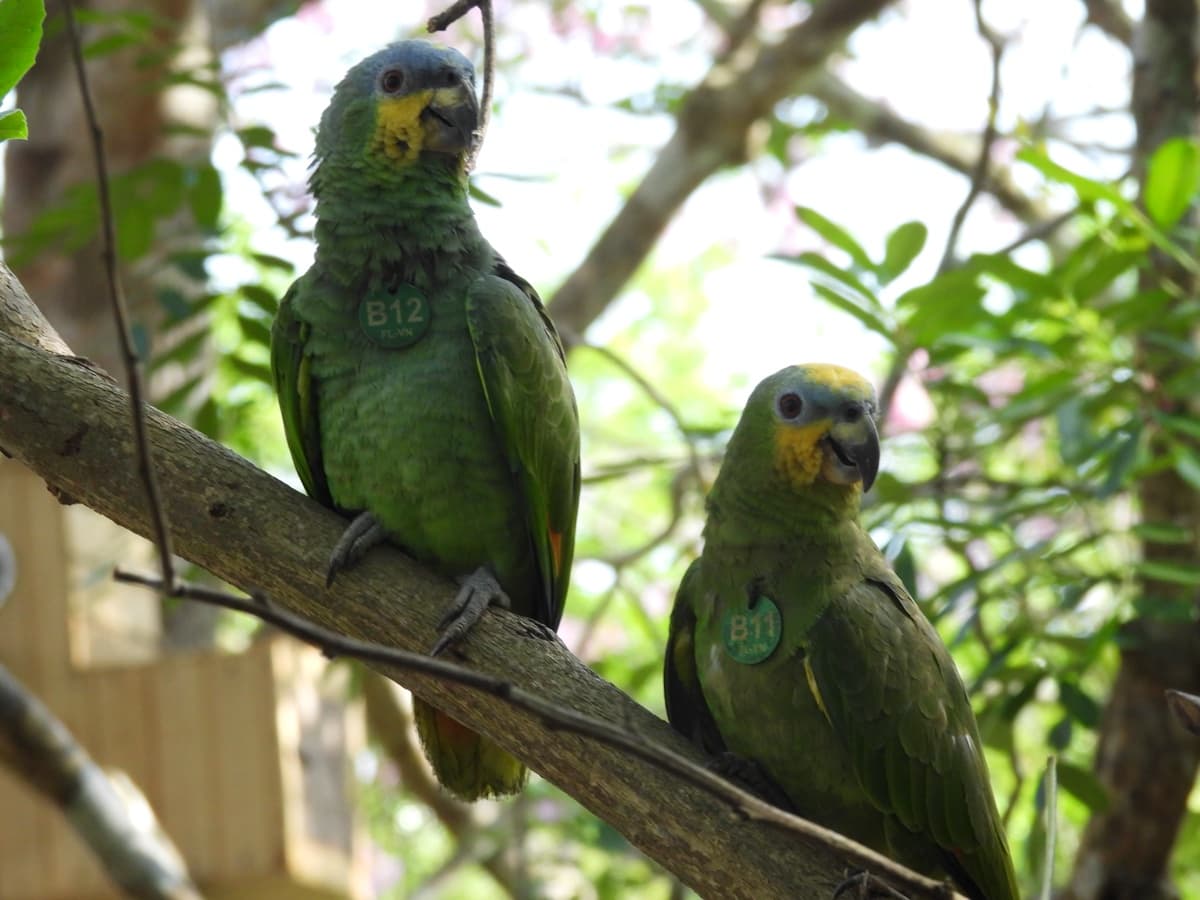
A common amazon of northern South America: green body, blue forehead, yellow cheeks and throat, and an orange wing patch that gives the species its name. Lives in pairs and noisy flocks in lowland forests. Frugivorous and granivorous. In the reserve, several individuals rescued from the illegal trade share spaces during rehabilitation.
Pionus menstruus
Loro cabeciazul
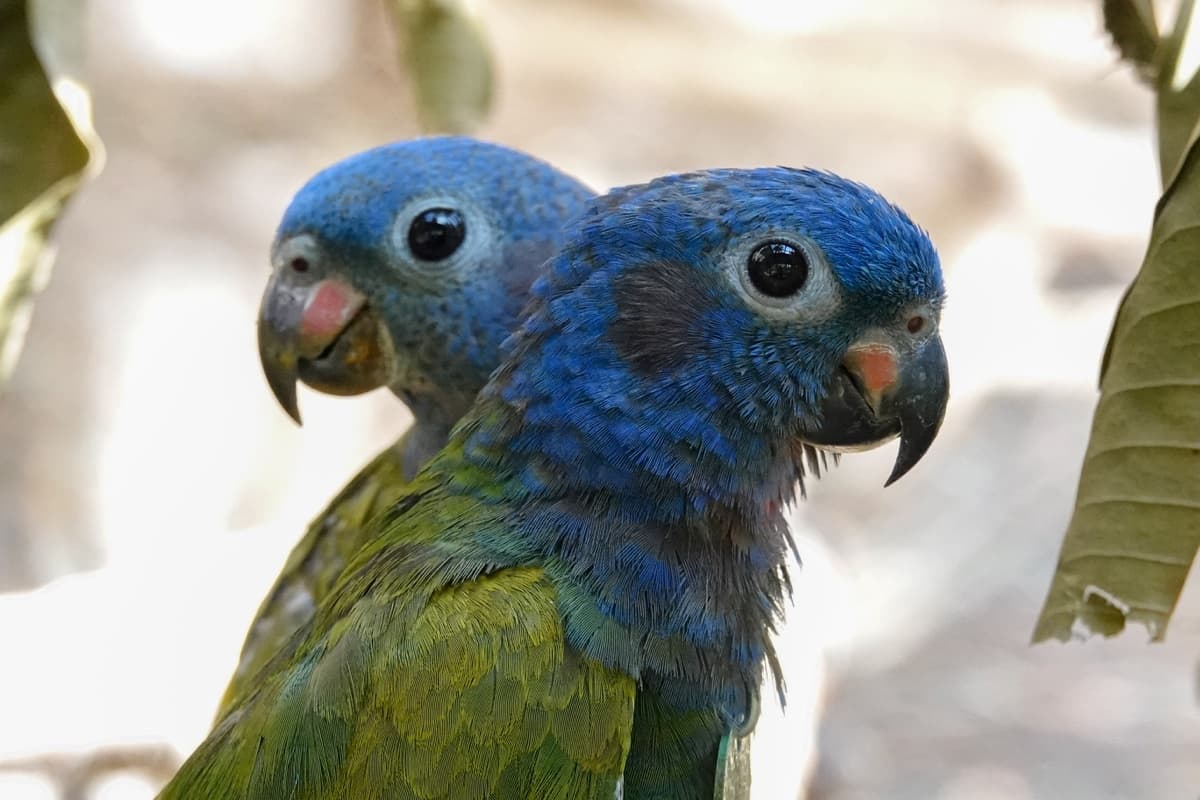
Mid-sized parrot easily recognized by an entirely cobalt-blue head and chest over a green body, with a reddish bill. It flies in compact flocks at dawn and dusk. Frugivorous and granivorous; favors forest edges and areas with emergent trees. In Colombia it is a frequent target of the illegal trade because it readily learns sounds.
Ara macao
Guacamaya bandera
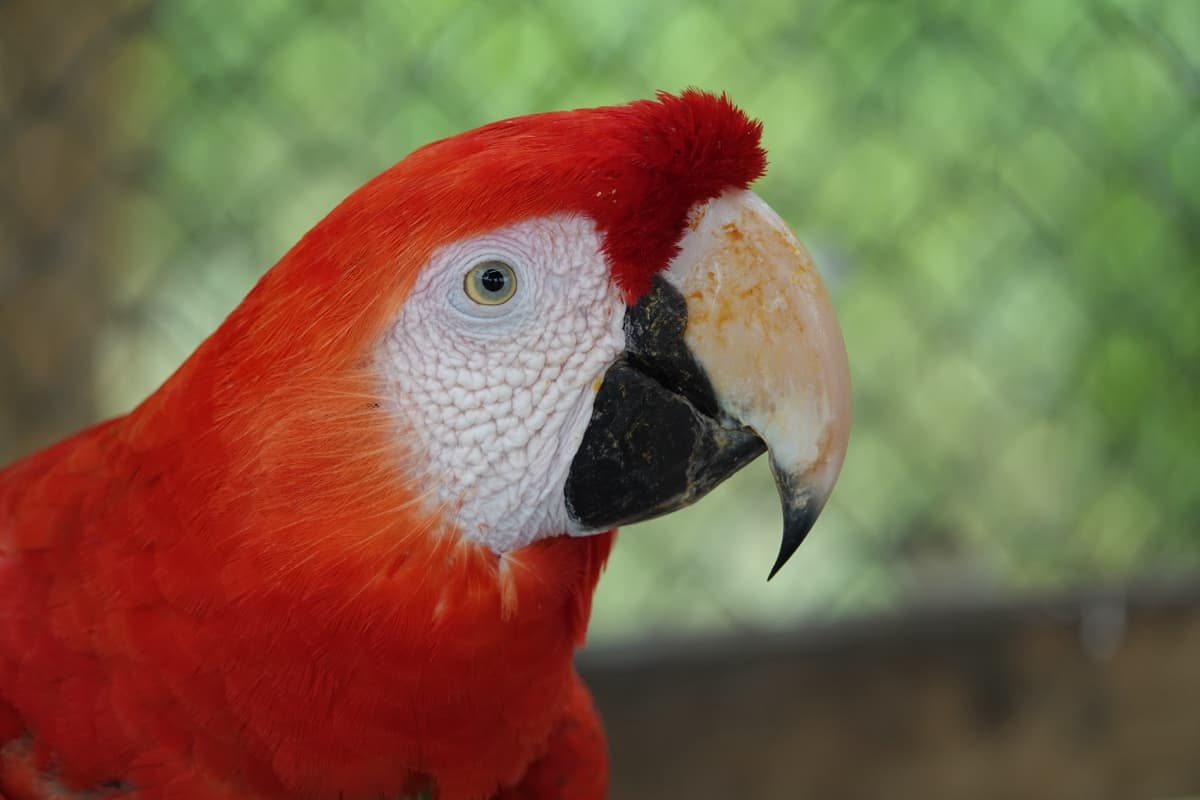
Known in Colombia as 'guacamaya bandera' because its red, yellow, and blue colors echo the national flag. Bare white facial skin furrowed by red feather lines and a powerful pale bill. They form lifelong pairs. They need huge trees and cavities to nest — their recovery depends on mature, connected forests like the reserve's.
Ara severa
Guacamayo cariseco
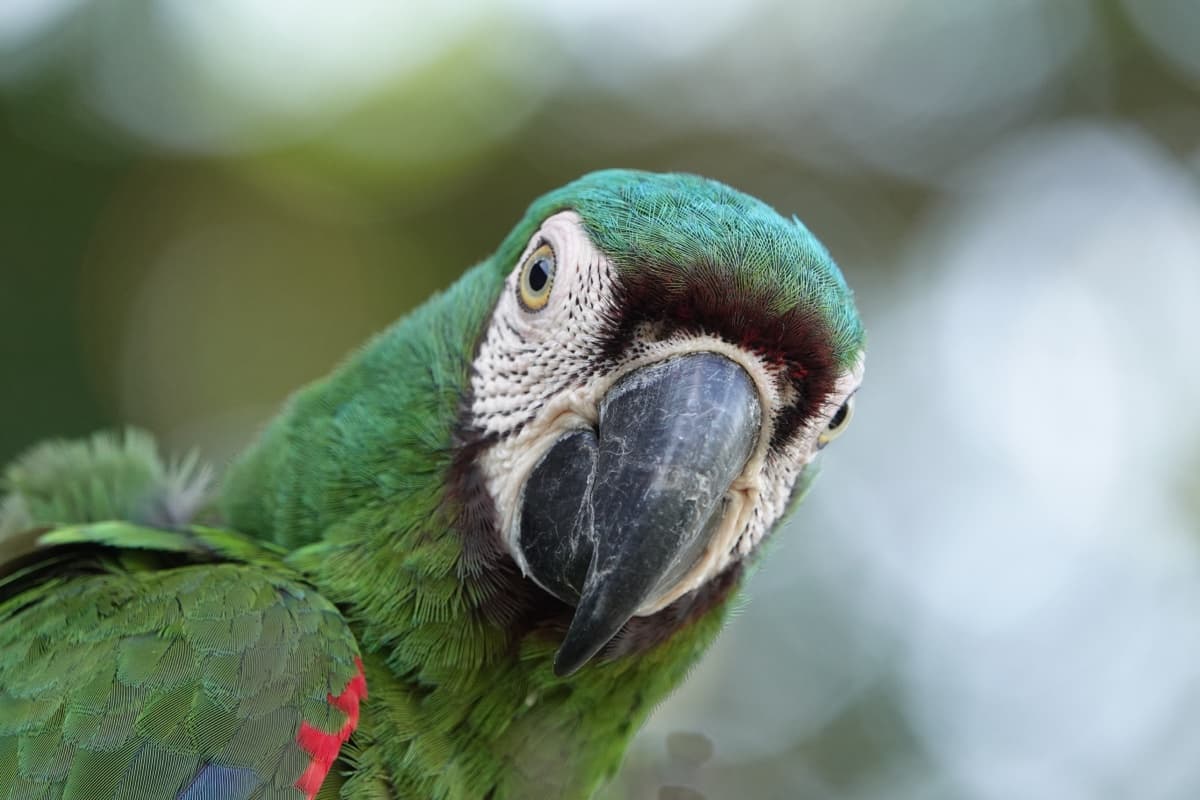
A small macaw, mostly green, with chestnut forehead and cheeks and a flash of red beneath the wing. It flies in family flocks and perches in tall trees, where its sharp call announces its arrival. Frugivorous and granivorous. Though its population is stable, in the Caribbean region it is pressed by the illegal capture of chicks.
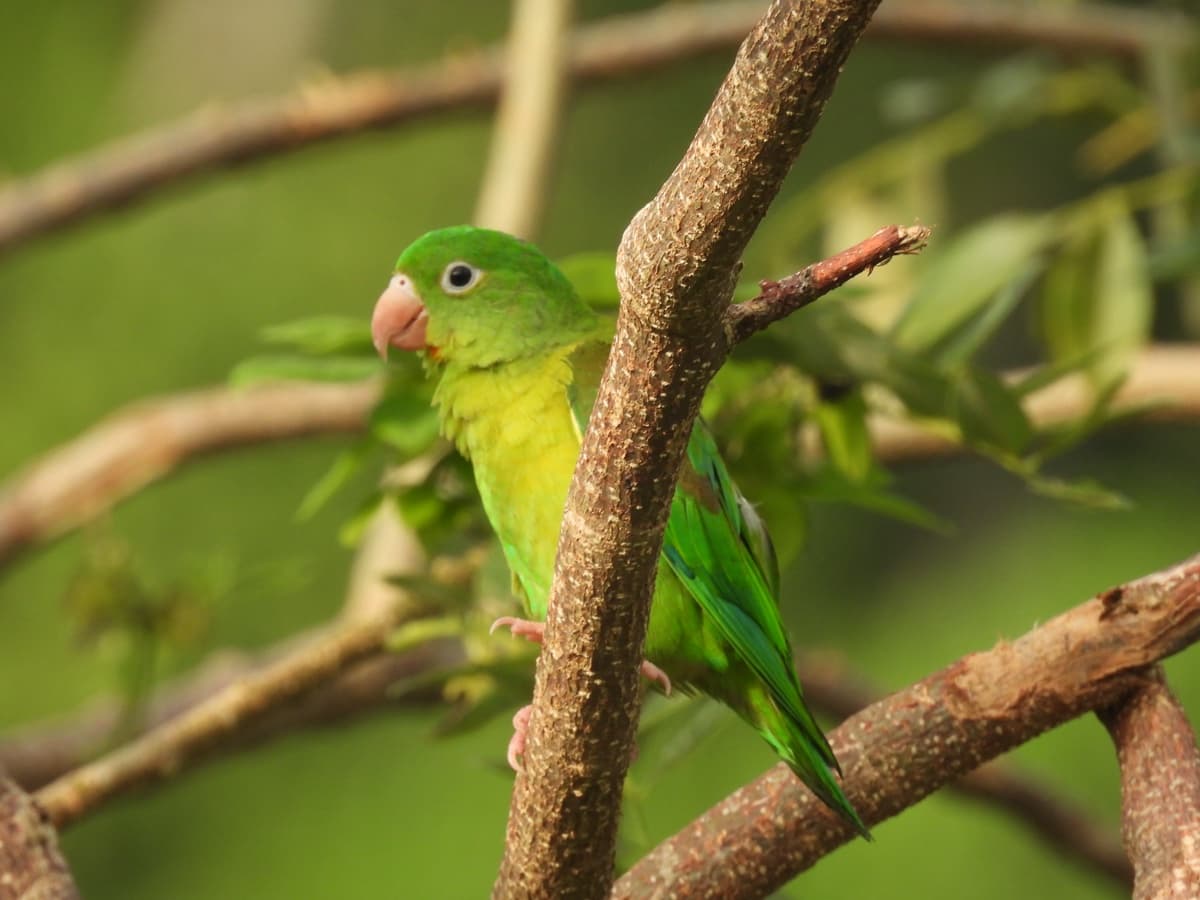
Brotogeris jugularis
Periquito alibronceado
A small, bright-green parakeet with an orange chin patch and a bronze wing patch that gives it its name. Flies in noisy, swift flocks above the dry-forest canopy. Frugivorous and nectarivorous: visits flowering and fruiting trees. One of the most abundant parrot species in the region, though still vulnerable to the illegal trade.
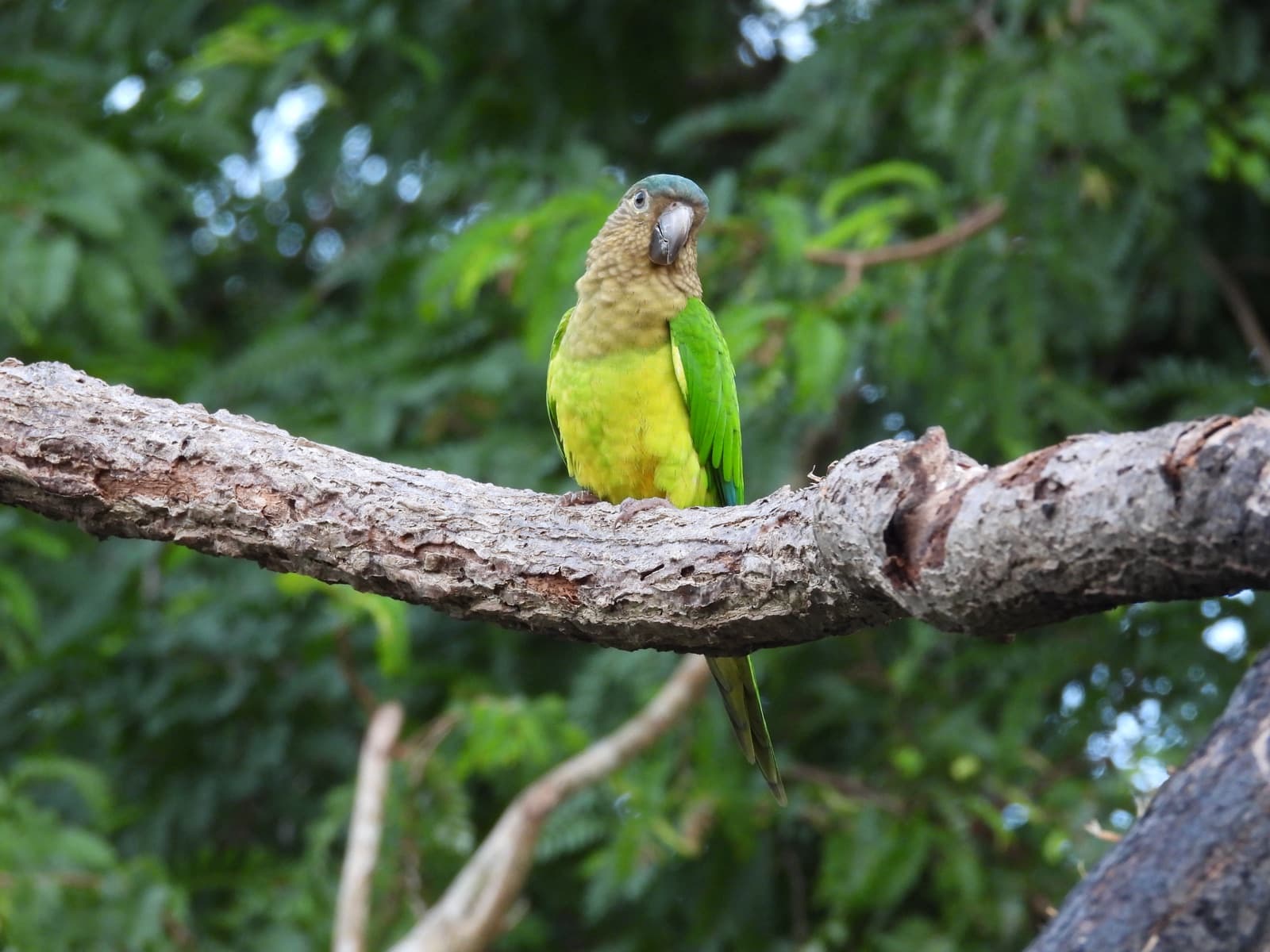
Eupsittula pertinax
Cotorra carasucia
A small, green parakeet with a dusky brown face and throat —the trait behind its Spanish name «carasucia», meaning dirty-face— and a yellowish belly. Native to northern South America and common in the Colombian Caribbean, it lives in noisy, restless flocks and nests in cavities and arboreal termite mounds. Frugivorous and granivorous, it helps disperse dry-forest seeds. Though abundant, it is also taken by the illegal pet trade.
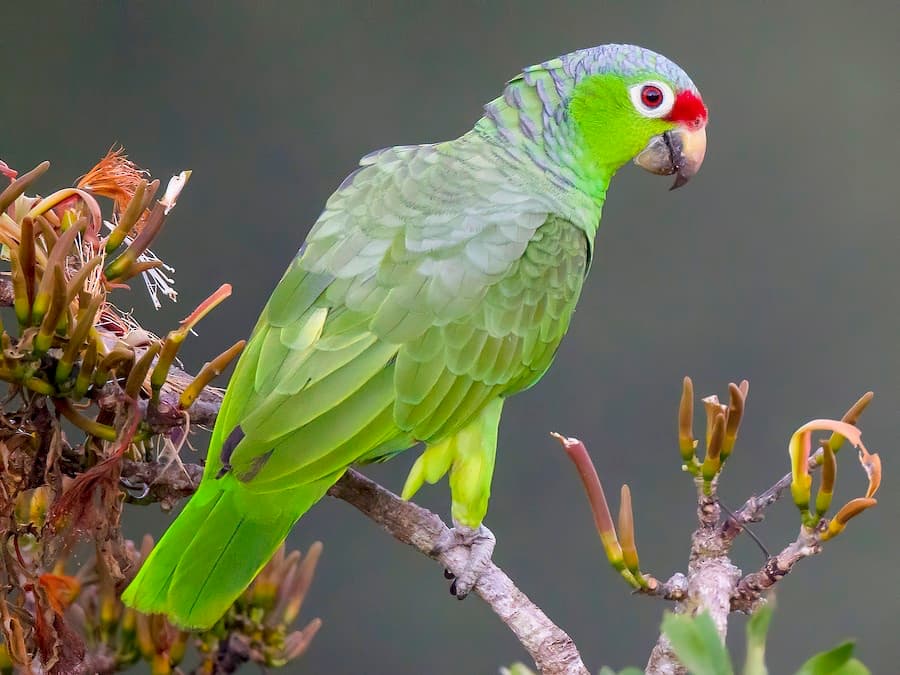
Amazona autumnalis
Lora frentirroja
A green amazon about 32–35 cm long, unmistakable for its red forehead, yellow cheeks, and a bluish wash over the crown, plus the red patch that shows on the wing. It inhabits humid and semi-deciduous forests from Central America to north-western South America, reaching the Caribbean lowlands in Colombia. It flies in pairs and flocks and feeds on fruits, seeds, nuts, and flowers. Like other amazons, it suffers from habitat loss and capture for the illegal trade.
Cotton-top tamarin · Saguinus oedipus
Families that returned to the forest
The cotton-top tamarin is a small primate endemic to Colombia's Caribbean and one of the country's most threatened species. Several families now live in the reserve — rehabilitated, released, and already breeding in the wild. On the walk, with a little luck and quiet, you might come across one of these groups up in the trees.
Qué llevar
Ropa cómoda que se pueda manchar, pantalón largo, zapato cerrado, gorra, bloqueador (aplicado antes de llegar, no al manipular animales) y una botella de agua para cada uno.
Cómo llegar
La fundación da sobre la carretera principal (vía Villanueva, Bolívar), a 35 km de Cartagena: no entras por trochas ni caminos veredales. Lo más cómodo es en carro: busca «Fundación Loros — Loros Wildlife Sanctuary» en Uber o InDriver y el conductor te deja en la entrada.
⏰ Para llegar a las 9:00: sal de la Terminal de Transporte de Cartagena al menos 45 minutos antes, a más tardar a las 8:15 a. m. Si sales de otro punto de la ciudad, calcula más tiempo.
En bus no hay ruta directa desde el centro: primero vas a la Terminal de Transporte de Cartagena (Carretera La Cordialidad, sector Doña Manuela) y ahí tomas un bus hacia Villanueva o Arenal; pídele al conductor que te baje en Fundación Loros.
Book
Reserva tu mañana en familia
Reserva y paga en línea. Adultos y mayores de 12 años: $50.000; niños de 2 a 12 años: $40.000. De lunes a sábado, de 9:00 a 11:00 a. m. · en español · solo residentes en Colombia (los adultos presentan su cédula al llegar).
¿Tienes poco tiempo?
Alimenta a los loros y guacamayas liberados
Una visita de 1 hora: dales de comer con tu propio alimento. Un plan más corto, también para residentes en Colombia.