An Owl, a Sloth, and the Forest That Received Them
By Alejandro Rigatuso, Fundador y Director de Fundación Loros
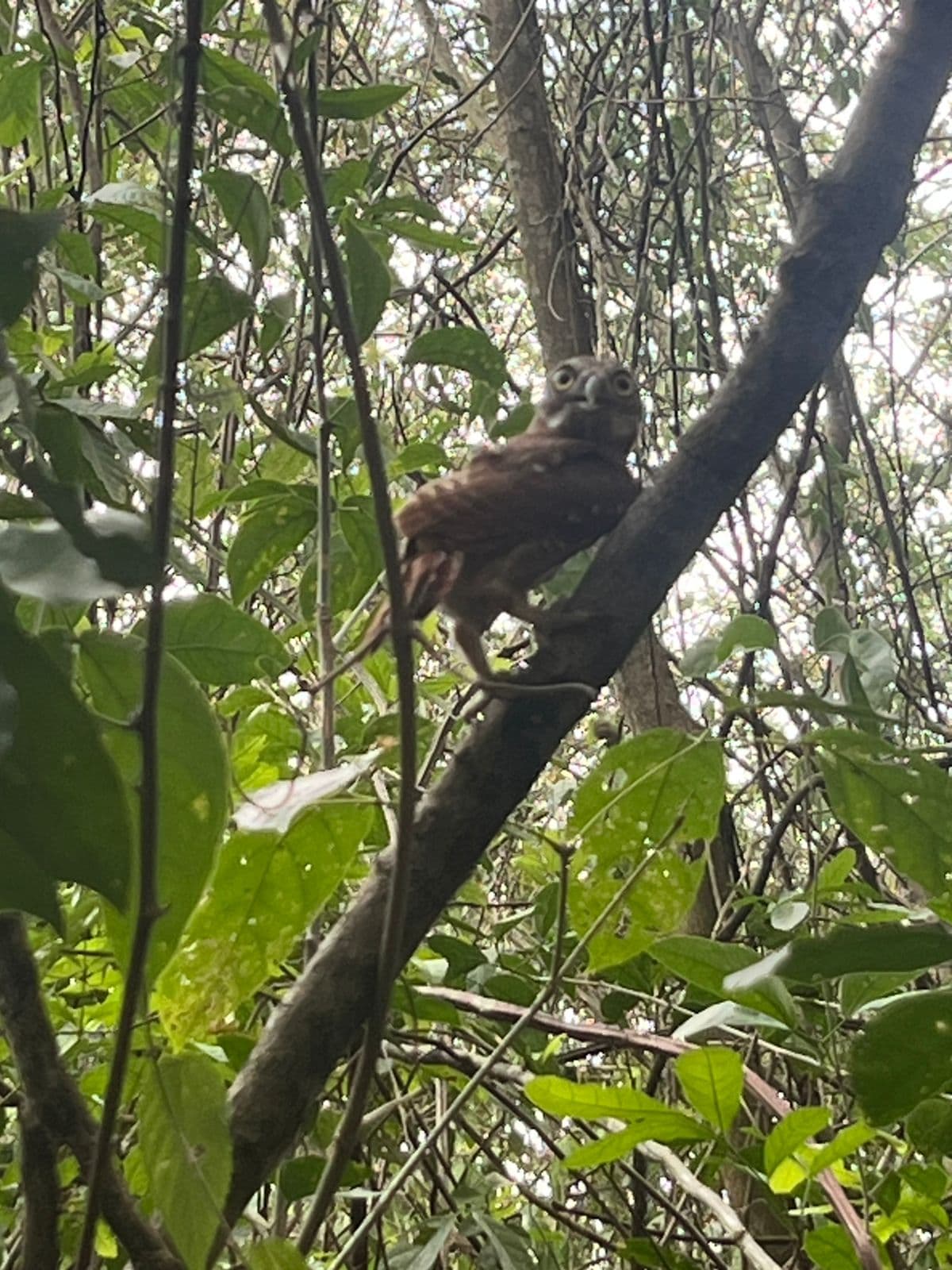
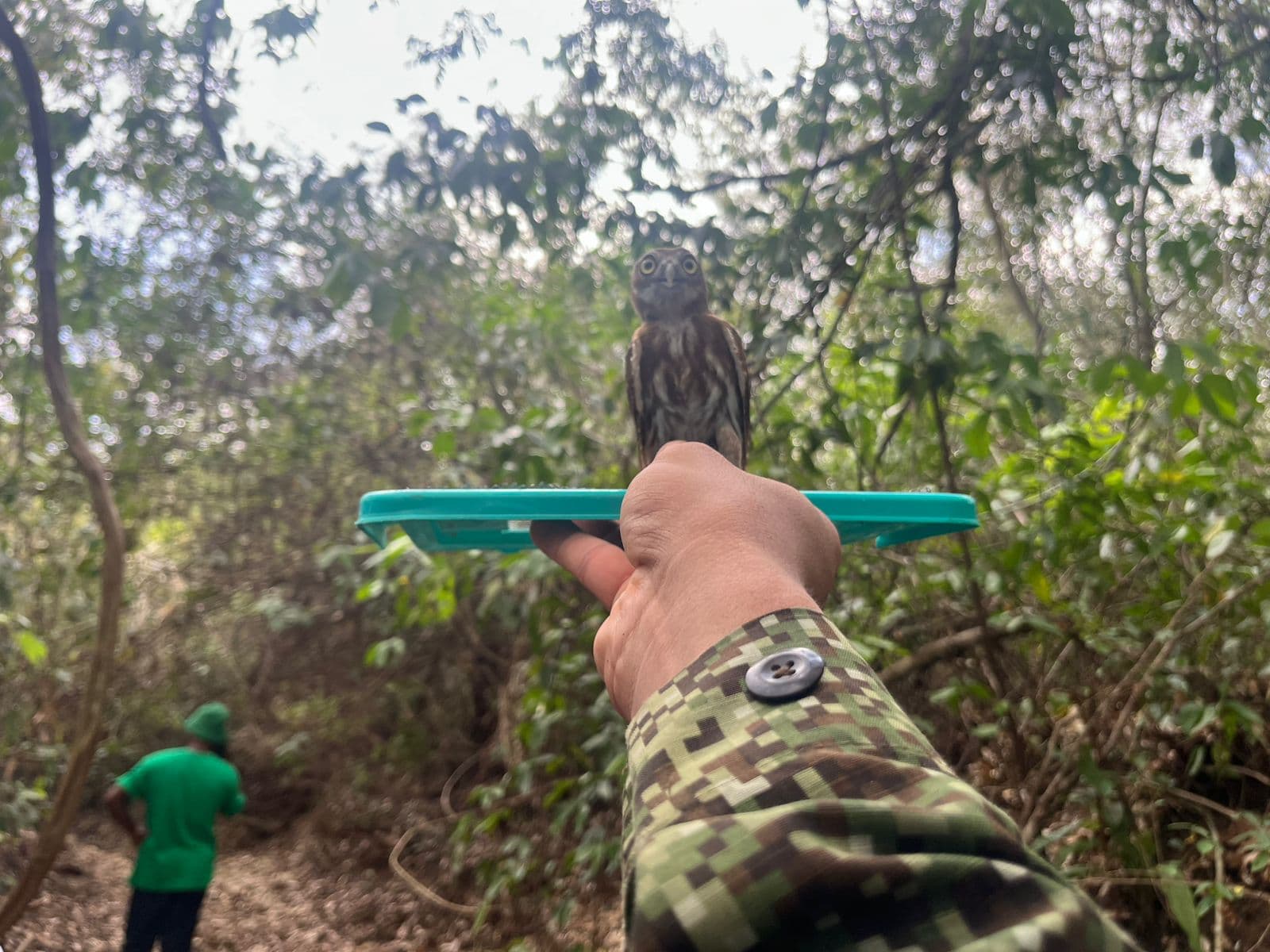
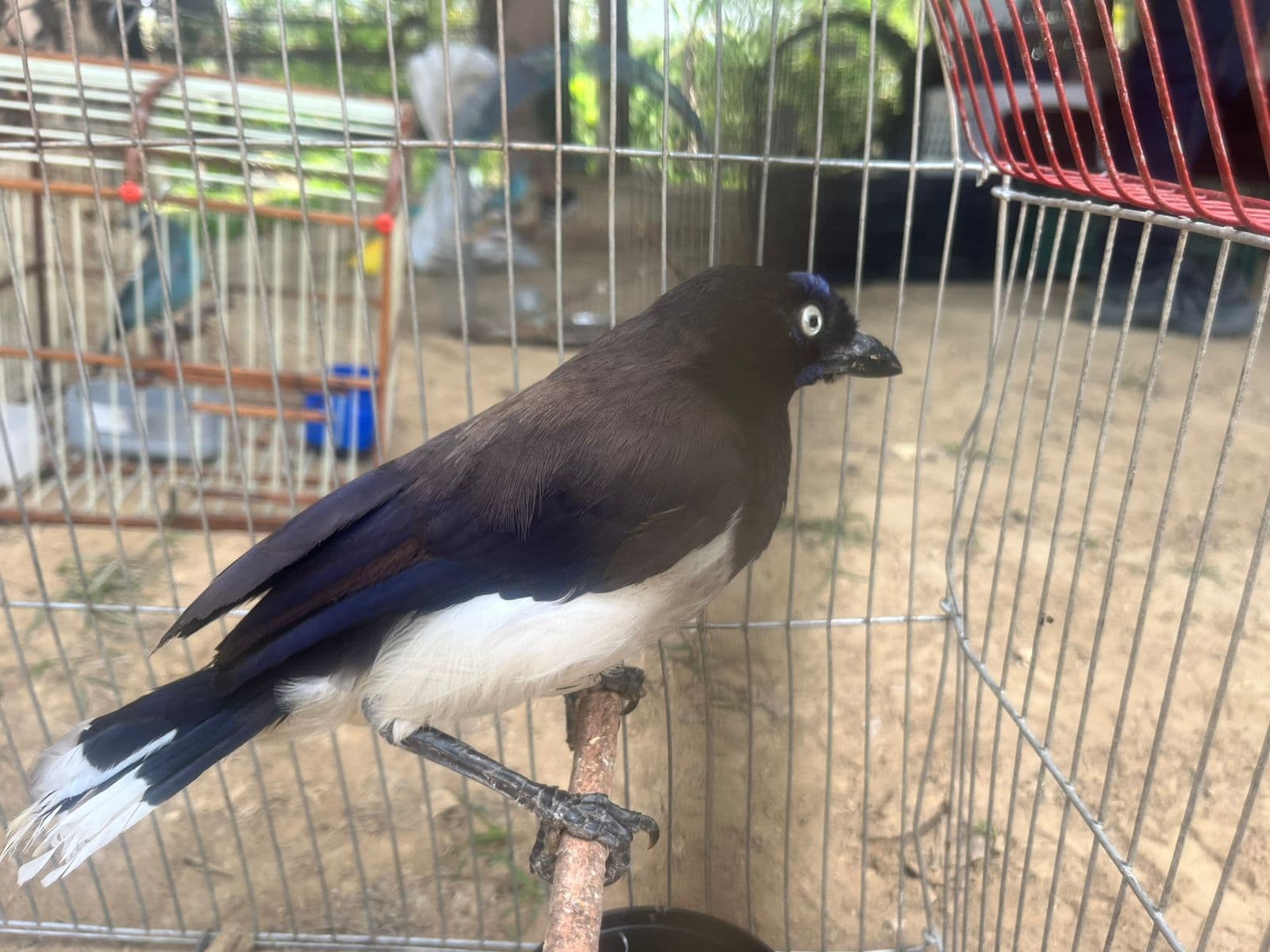
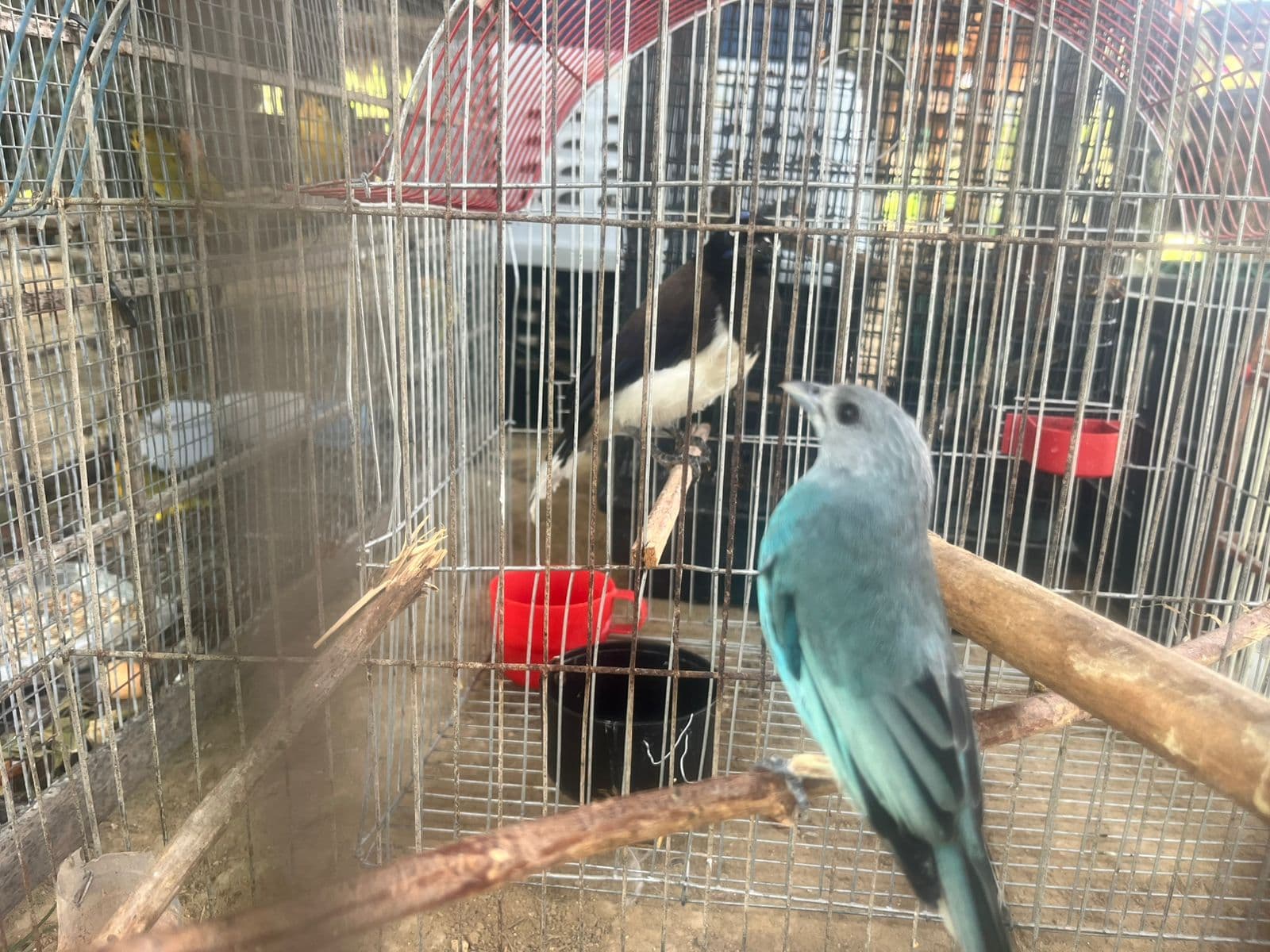
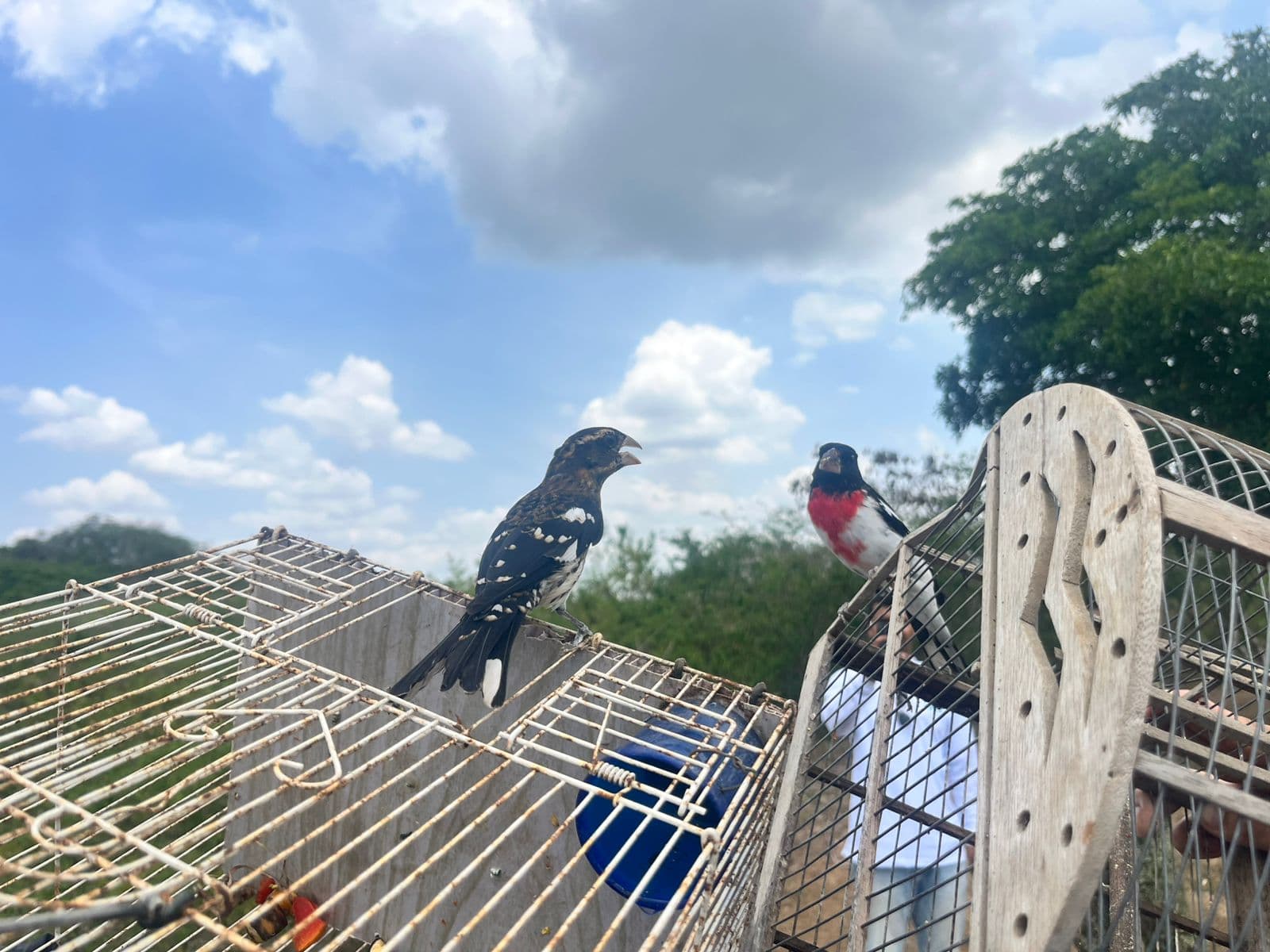
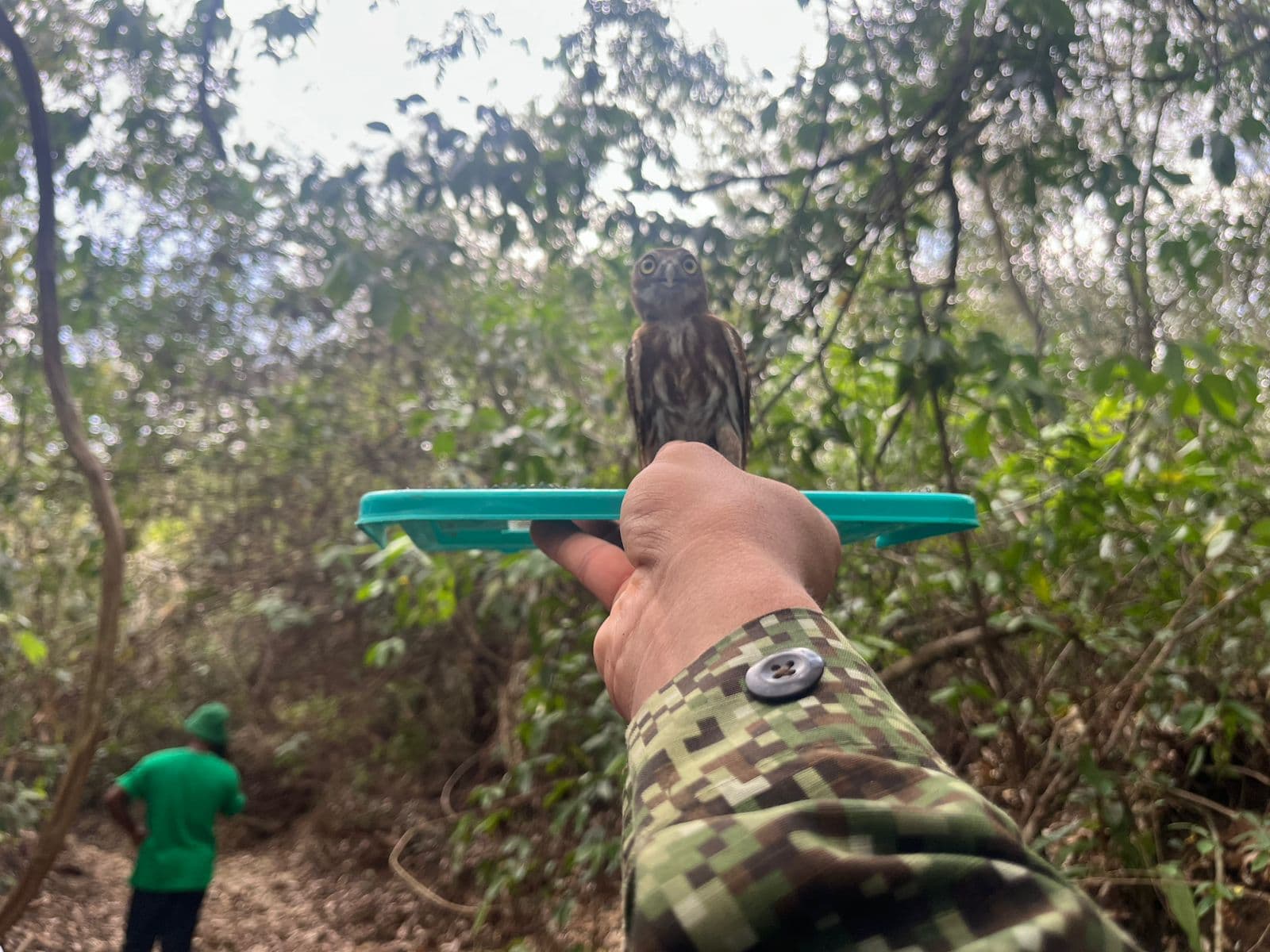
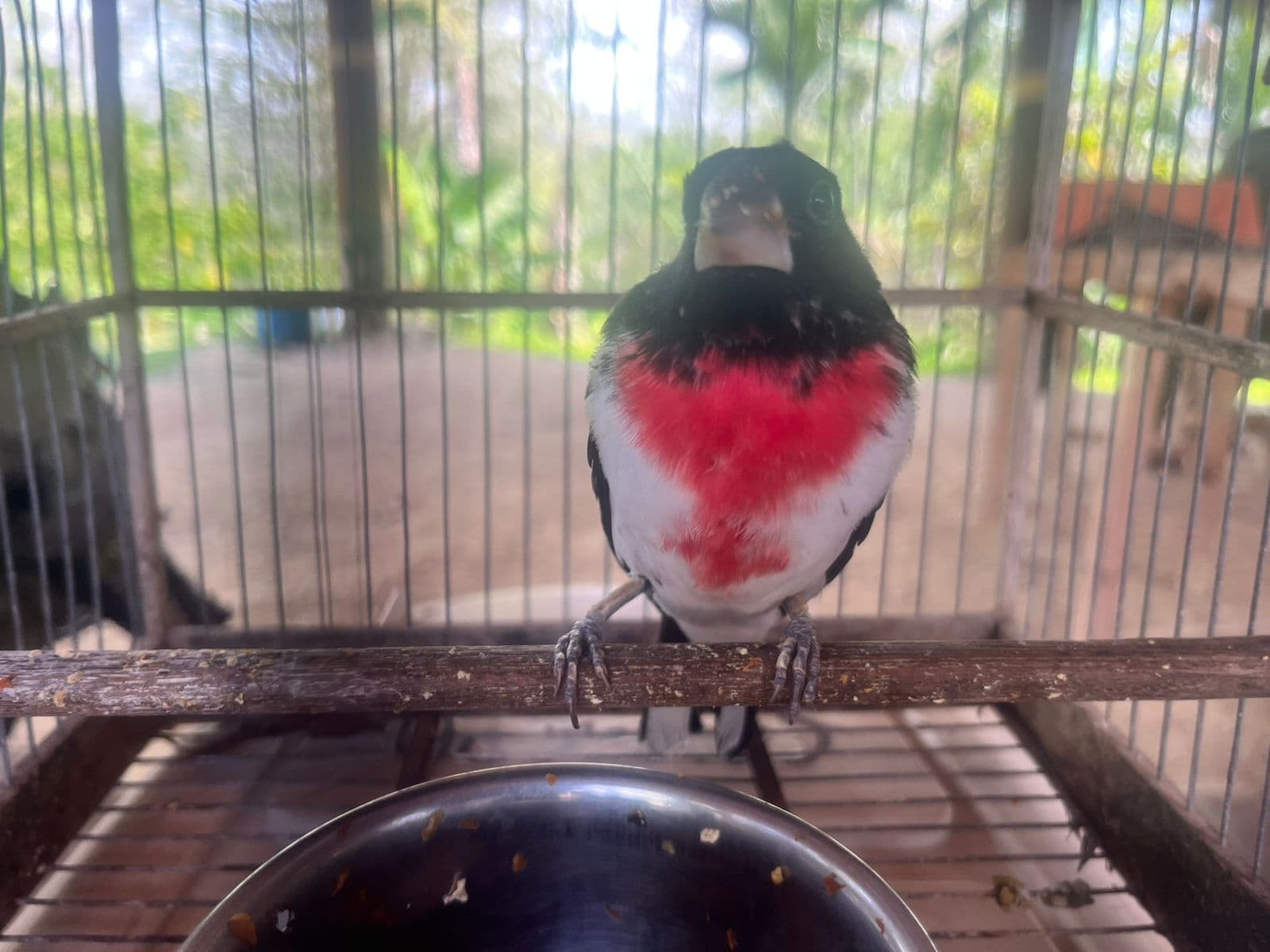
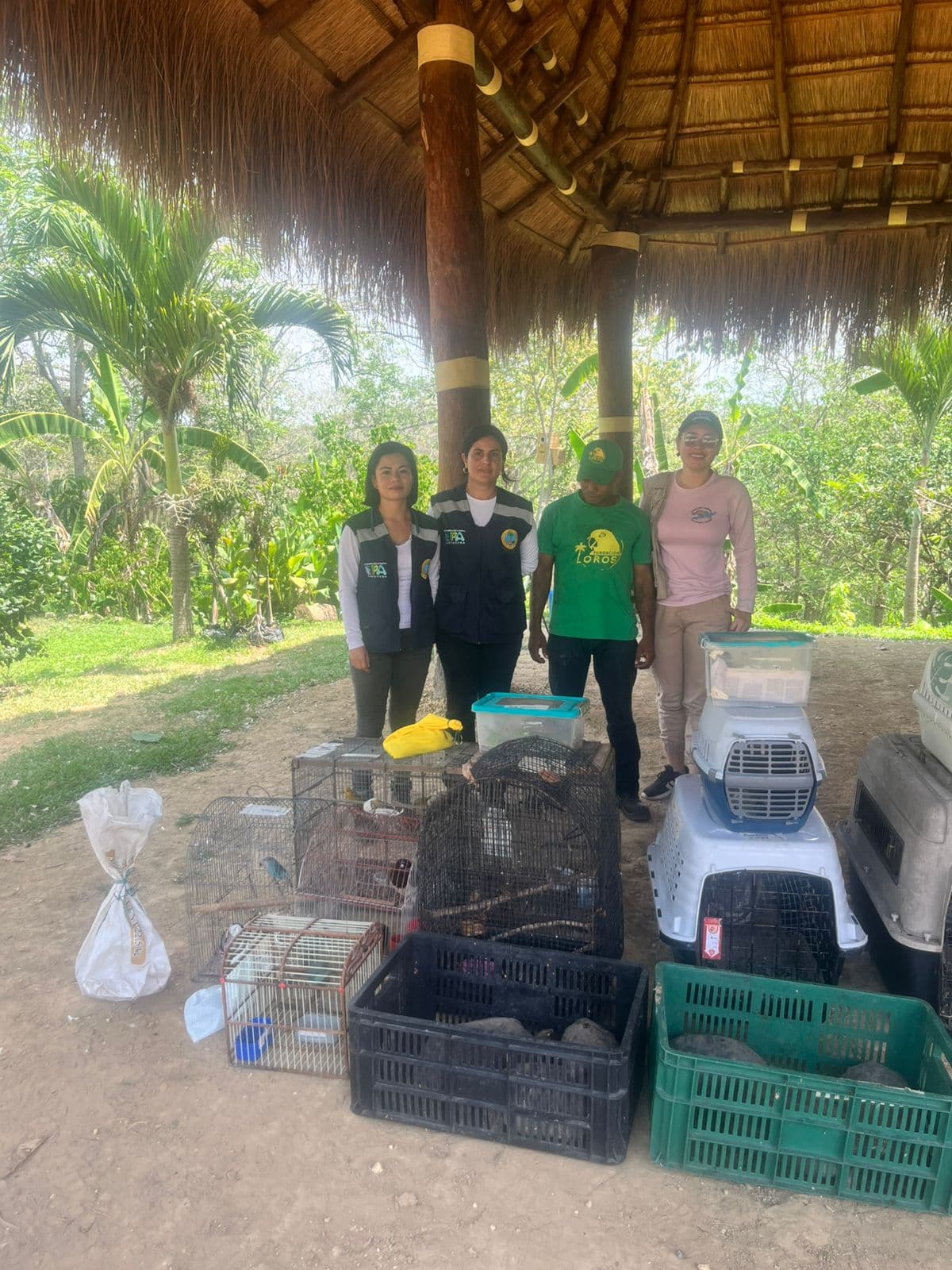
Yesterday afternoon, Marcela and Alberto headed into the forest alongside EPA and Cardique, carrying cages, boxes, and the quiet certainty that there were animals to be given back to the wild. The release brought together a young owl — brown-feathered, with enormous eyes that regarded the world as though it still couldn't quite believe it — a blue-gray tanager wearing that particular shade of open sky that belongs to very few living things, and a rose-breasted grosbeak whose chest bore a red patch like a glowing ember. Each one left its cage with the calm or the vertigo particular to its kind.
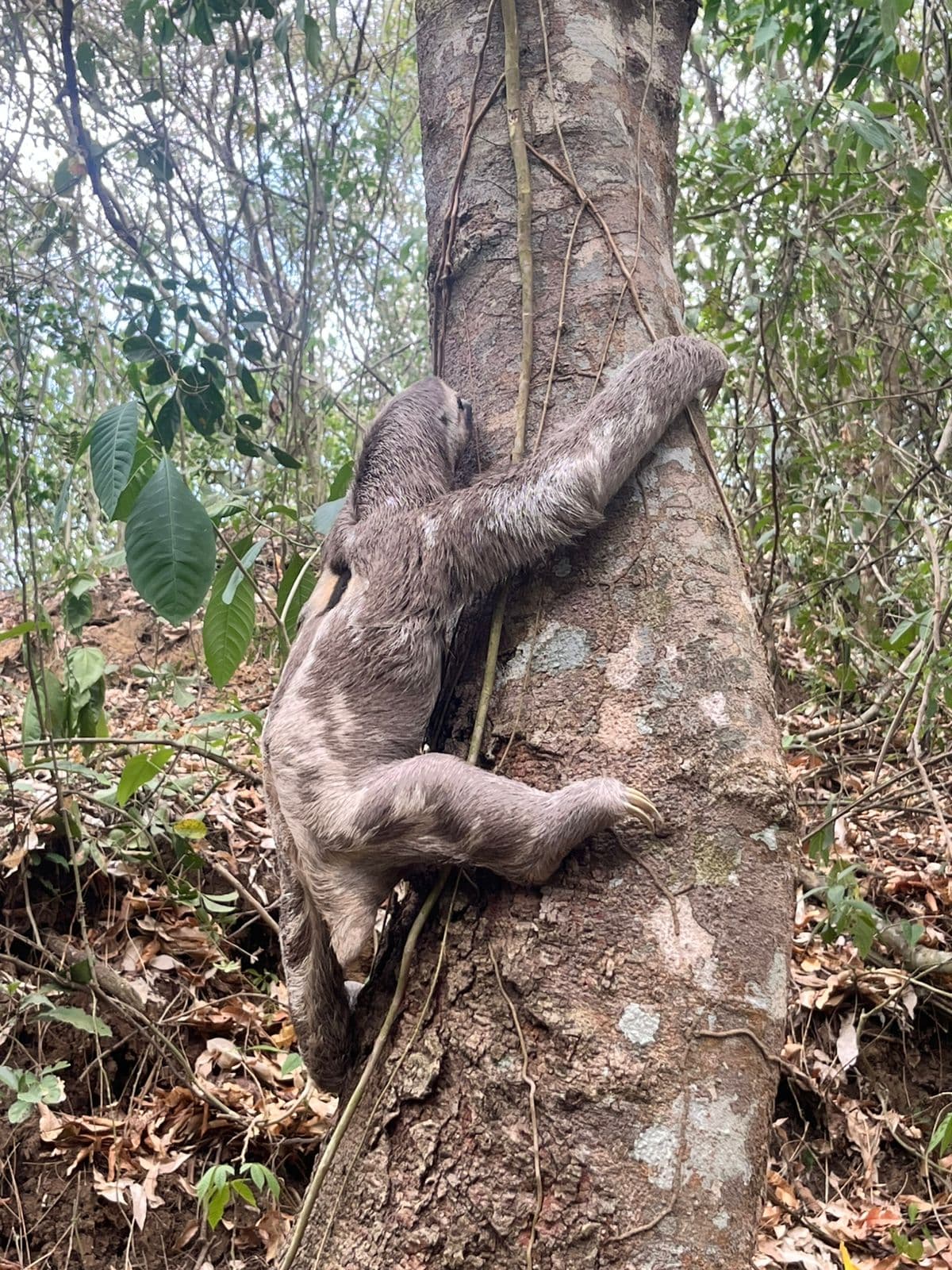
The slowest moment belonged to the three-toed sloth. With its long curved claws and its own sovereign sense of time, it climbed the trunk of an understory tree as though waking from a very long dream — which, in a way, was exactly what had happened. The team's camouflage dissolved among the lianas and broad leaves as the birds found their branches and the mammals found their rhythm. The coordination between the Fundación and the environmental authorities made it possible for that dense, humid tropical forest to have, at the very least, three more animals that belong to it.
The Fundación's staff noticed that several of the birds arrived thirsty — dry-billed, eyes sharp with alertness. The release had been rapid, what the technicians call a "hard" release: no preconditioning, no gradual adaptation period that allows an animal to recalibrate its instincts before returning to the wild. The Fundación opens its doors to the competent authorities when they arrive with confiscated wildlife, because someone has to receive them. But what happened that Tuesday is recorded here as an institutional observation: urgency is not always an ally of well-being.
About the author
Alejandro Rigatuso · Fundador y Director de Fundación Loros
Alejandro Rigatuso arrived at Fundación Loros after years as Vice President of Growth Marketing at Toptal, bringing with him an unconventional perspective: he knows an animal is well by its eyes, "bright, wide open." Lorenzo, the first parrot released, recaptured several times and always set free to fly again, marked him forever. At dusk, around five-thirty, you'll find him at the Mirador de las Ciénagas or wandering around Cerro El Peligro, envisioning observation towers and hundreds of native parrots soaring over a reserve that an entire community calls their own.
Stay in touch
Get news from the reserve
Before-and-after photos, management protocols, events and the story of each individual — straight to your inbox.