The 10 Best Things to Do in Cartagena in Nature
By Alejandro Rigatuso — founder of Fundación Loros and Loros Wildlife Sanctuary, based in Cartagena since 2015.
Cartagena is famous for its colonial walls and Caribbean charm — but the best things to do in Cartagena in nature happen beyond the cobblestones. Cartagena's nature and outdoors mean tropical dry forest full of parrots, mangrove tunnels, living reefs and bays that glow at night.
If you travel with intention — looking for living ecosystems, real encounters, and experiences that stay with you — this is your list: ten must-do Cartagena experiences in nature and outdoors — from easy day trips from Cartagena to hands-on eco-tourism and wildlife encounters — written from the field by the team behind Loros Wildlife Sanctuary.
1. Loros Wildlife Sanctuary — Colombia's most regenerative wildlife experience
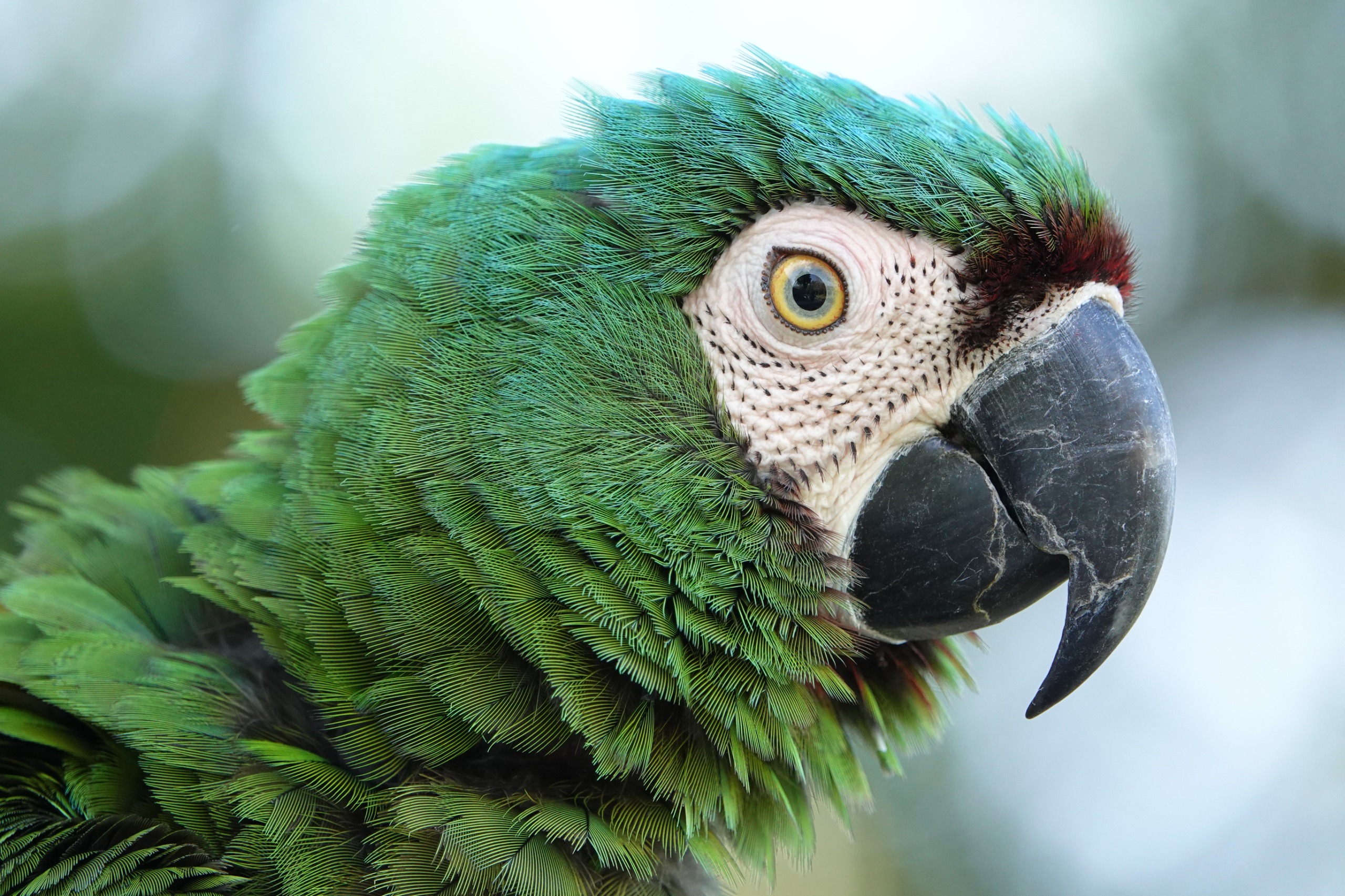
Just 1 hour from Cartagena, in the tropical dry forest of Villanueva (Bolívar), this sanctuary offers something unique in the country: taking an active role in the rehabilitation of parrots and macaws rescued from illegal wildlife trade — and in the restoration of one of the Caribbean's most threatened ecosystems.
The conservation numbers are real, measurable work: 520 protected hectares of tropical dry forest, more than 20,000 trees planted from an on-site native nursery, 100+ rehabilitated birds already flying free and faithful to the site, 150+ birds in active rehabilitation, and over 200 bird species recorded — alongside monkeys, sloths, turtles and iguanas. It is Colombia's only specialized rescue center for parrots, and its release method is now peer-reviewed science.
📍 Villanueva, Bolívar
🎟️ Guided visits by reservation – explore the experiences, including a tropical-forest hike under howler monkeys and wild parrots
This is not a zoo. It is a second chance for wildlife.
A glimpse of the reserve
2. Sunrise paddleboarding in Castillogrande
There is nothing quite like starting the day gliding across calm water as the sun rises over the Cartagena skyline. It is a quiet, contemplative, and energising experience — ideal for early risers.
📍 Playa de Castillogrande
🕓 Best time: 5:30 to 7:00 AM
3. Snorkelling at Islas del Rosario
A natural classic of Cartagena: crystal-clear water, living coral, and colourful fish. Places like Isla Grande or Isla del Pirata are ideal for swimming through shoals and reefs.
📍 Islas del Rosario
🌊 Tip: leave early or book private transport to avoid crowds.
4. Oceanario – Marine life and conservation on open water
Set on the sea, the Oceanario lets you observe sharks, turtles, rays, and dolphins in natural habitats. It also runs marine research and rescue programmes, combining tourism with science.
📍 Islas del Rosario
🐠 Great for families with an interest in education
5. Kayaking through the mangroves at La Boquilla
Paddling through mangrove tunnels guided by local fishermen is a beautiful way to connect with coastal biodiversity and traditional culture. A quiet, unhurried experience.
📍 La Boquilla
🛶 Recommended at sunrise or sunset
6. Jardín Botánico Guillermo Piñeres
45 minutes from Cartagena, this garden in Turbaco offers shaded trails, tropical plants, medicinal herbs, and a small fragment of primary forest. A quiet place for anyone looking for calm, environmental education, and biodiversity.
📍 Turbaco
🌿 Rarely crowded and genuinely enriching
7. Kitesurfing on the beaches at Morros (Wind season)
Between January and April, and in July, steady winds turn the northern beaches (between La Boquilla and Manzanillo) into the best place to kitesurf in Cartagena. Schools and equipment rental available for all levels.
📍 Morros / Manzanillo del Mar
💨 Best seasons: January–April and July
8. Playa Blanca, Barú (Read this before you go)
Let's be honest: it is a beautiful place — crystal-clear water, white sand. But the relentless vendor hustle, the crowds, the rough welcome and the inflated prices mean we can't recommend Playa Blanca.
The place itself is lovely; the problem is what it has become: masses of people, vendor harassment, poor service and high prices. If what you're after is nature, calm and beautiful beaches, it's definitely not where I'd go.
📍 Isla Barú
🌅 If you still want to see it: very early on a weekday is your best shot — and compare it first with the Rosario Islands (item 3)
9. Bioluminescent plankton tour (Recommended season)
Between December and March, some inlets near Isla Barú light up at night with bioluminescent plankton. Swimming through those natural flashes is a remarkable experience.
📍 Ask local operators in Barú
🌌 Best at low tide, clear skies, and no moon
10. Parque Tayrona (2–3 day trip from Cartagena)
Tayrona is not in Cartagena — and it still earns its place on this list: many travellers use Cartagena as the starting point for a 2–3 day excursion to Parque Tayrona and Santa Marta, combining jungle trails, palm-backed beaches and a night or two on Colombia's wilder Caribbean coast.
Weighing it against a hands-on wildlife day at the sanctuary? We wrote an honest comparison: Parque Tayrona vs Loros Wildlife Sanctuary.
📍 Beyond Santa Marta (about 4–5 hours by road from Cartagena)
🏕️ Plan 2–3 days; book park entry ahead in high season
11. Mud bath at Volcán del Totumo (Bonus — a matter of taste)
One of the most curious outdoor experiences near Cartagena: a small mud volcano where you float in a warm, dense crater of mineral mud, then rinse off in the lagoon below.
My honest opinion: I personally don't recommend it — the place feels far too rustic for me. Many tourists seem to love it, though; Alejandro Rigatuso, not so much. Call it a matter of taste — if quirky, no-frills experiences are your thing, decide for yourself.
📍 Santa Catalina, north of Cartagena (about 1 hour)
🕓 If you go: go early to beat the buses; in season, combine it with the pink sea at Galerazamba
Tayrona or Loros? Choosing between the coast's two big nature days
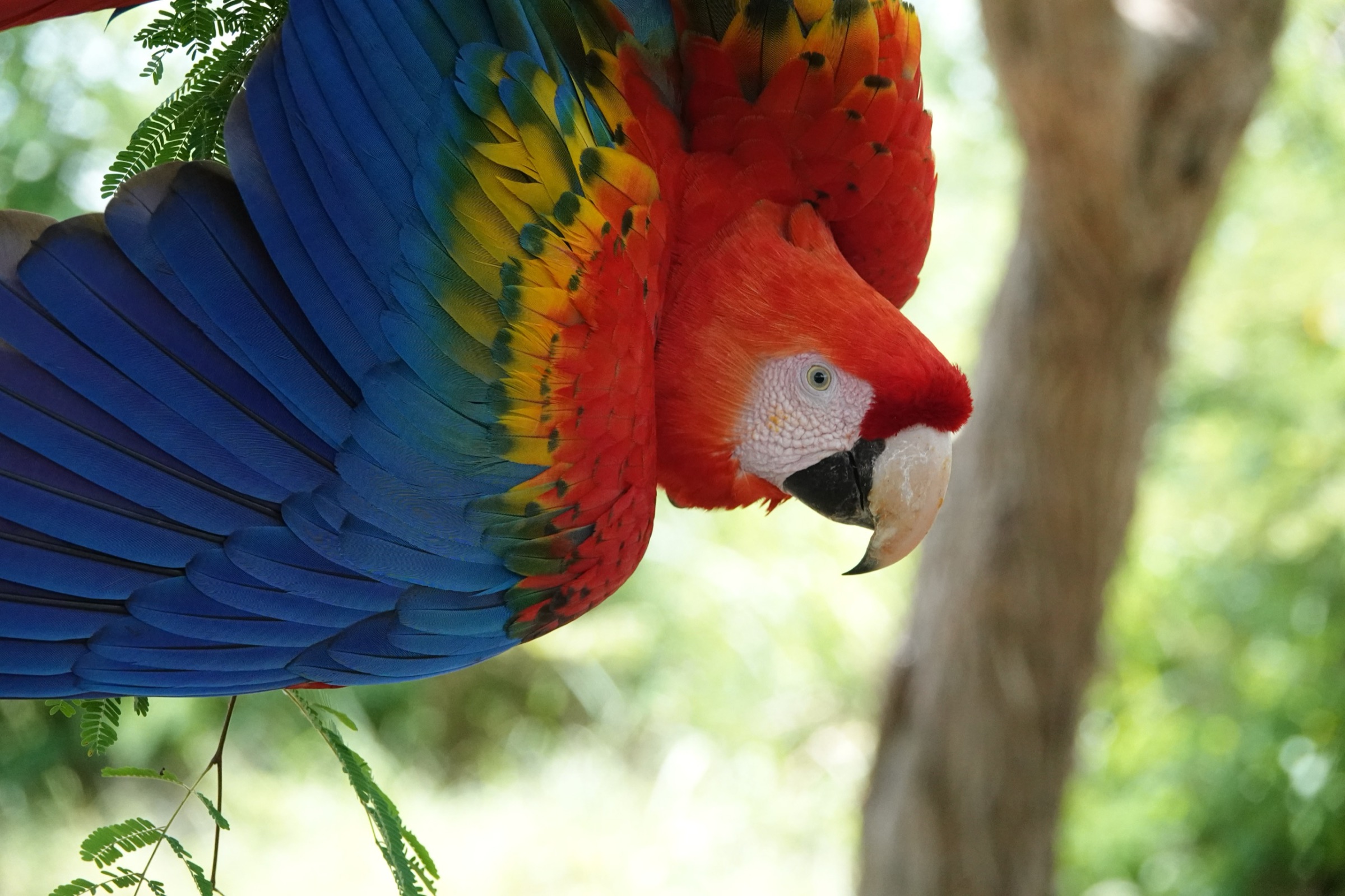
Many travellers end up weighing a long beach-and-trail day at Parque Tayrona against a hands-on wildlife day at the sanctuary. They are very different trips — and we wrote an honest comparison to help you choose: Parque Tayrona vs Loros Wildlife Sanctuary — the best nature experiences on Colombia's Caribbean coast.
Final thought
You came to Cartagena for the walls, the colours, and the history.
But if you really want to feel the living pulse of this land, follow the call of the forest, the sea, and the wind.
Whether you came for outdoor activities in Cartagena, birdwatching and wildlife, or slow nature tours — the coast rewards travellers who step past the walls.
And if you only choose one experience:
Loros Wildlife Sanctuary
Because some experiences don't just change your route. They change the way you see the world.
Want to do these, not just read about them? Explore all our wildlife conservation experiences near Cartagena — from birdwatching and a tropical-forest hike, to ATV reserve patrols and volunteering with rescued wildlife.
About the author
Alejandro Rigatuso is the founder of Fundación Loros and Loros Wildlife Sanctuary — Colombia's only specialized rescue center for parrots and macaws, an hour from the city. He moved to Cartagena 11 years ago, and every tip in this guide comes from actually living Cartagena's nature and outdoors: his team's release method for rescued parrots is peer-reviewed science, and the sanctuary protects 520 hectares of tropical dry forest.
The impact behind your visit
Loros Wildlife Sanctuary, in real numbers
Every experience you book funds this measurable, verifiable work. These are the numbers behind Colombia's only specialized center for parrots.
520 ha
Protected tropical dry forest
One of the most threatened ecosystems in the Caribbean
20.000+
Trees planted in the reserve
Nursery on-site · native species and fruit trees
100+
Birds released and site-faithful
Parrots and macaws that flew back to the forest
150+
Birds in active rehabilitation
Rescued from illegal trade and in the process of reintegration
Frequently asked questions
What are the best things to do in Cartagena in nature?+
The stand-outs are a day at Loros Wildlife Sanctuary (rescued parrots and macaws in 520 hectares of tropical dry forest), kayaking the La Boquilla mangroves, snorkelling at Islas del Rosario, birdwatching at dawn and — in season — kitesurfing and swimming with bioluminescent plankton. The full list above covers all ten.
Can you see wild parrots and macaws near Cartagena?+
Yes. One hour away, Loros Wildlife Sanctuary has recorded more than 200 bird species, and over 100 rehabilitated parrots and macaws already fly free — and stay — in its forest. Guided visits are by reservation.
How far is Loros Wildlife Sanctuary from Cartagena?+
About one hour by road, in Villanueva (Bolívar). All visits are guided and by reservation — book through the experiences page.
Is Loros Wildlife Sanctuary a zoo?+
No. It is Colombia's only specialized rescue center for parrots: birds are rehabilitated to be released back to the wild, not exhibited. The setting is 520 cage-free hectares of protected tropical dry forest, and the release method is peer-reviewed science.
When is the best season for nature experiences in Cartagena?+
Wildlife and forest visits work year-round — with two honest caveats. In October and November it rains hard, so hiking trails and horseback routes get muddy. And from January to March, strong afternoon winds put a chop on the sea and the boat ride back from the islands can get risky — go out early and plan to return before mid-afternoon. That same wind is the point for kitesurfing (best January–April and July); bioluminescent plankton peaks December–March; and birdwatching is best at dawn in any month.
Are these nature experiences family-friendly?+
Most are. The sanctuary, the Oceanario is great with kids; mangrove kayaking suits calm paddlers; kitesurfing and the extreme forest hike are better for teens and adults.
Open review
Reviews of this article
This text gets corrected with input from the field. You can review the whole article below, or scroll back up and flag a specific paragraph while you read. We read every submission before publishing it.
This article has no published reviews yet. If something you read contradicts your experience, misses a nuance, or you can add to it from your own fieldwork, write it here: we read all of it.
Leave your review
You can review the whole article from here, or flag a specific paragraph while you read.