By Alejandro Rigatuso, Fundador y Director de Fundación Loros
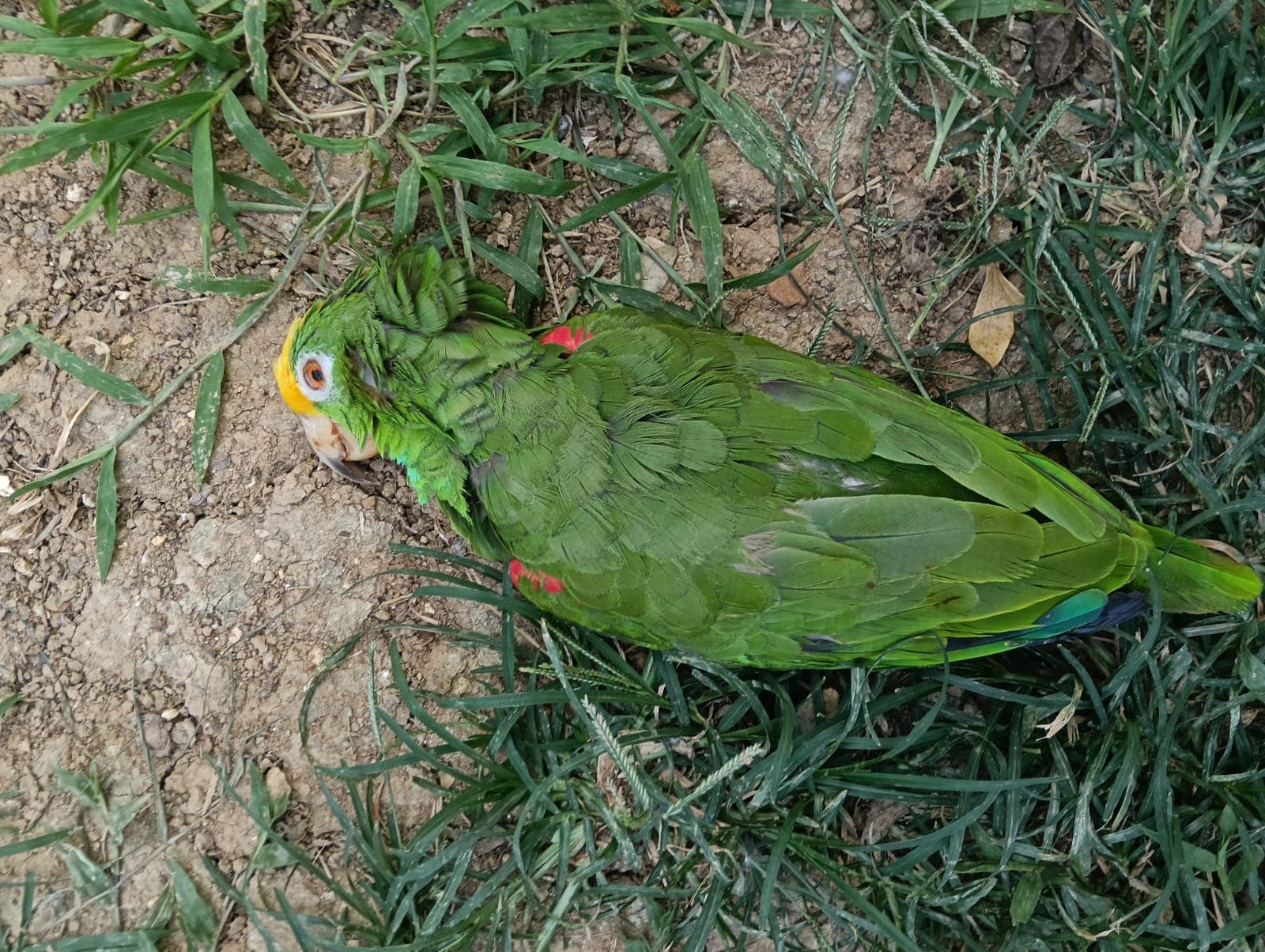
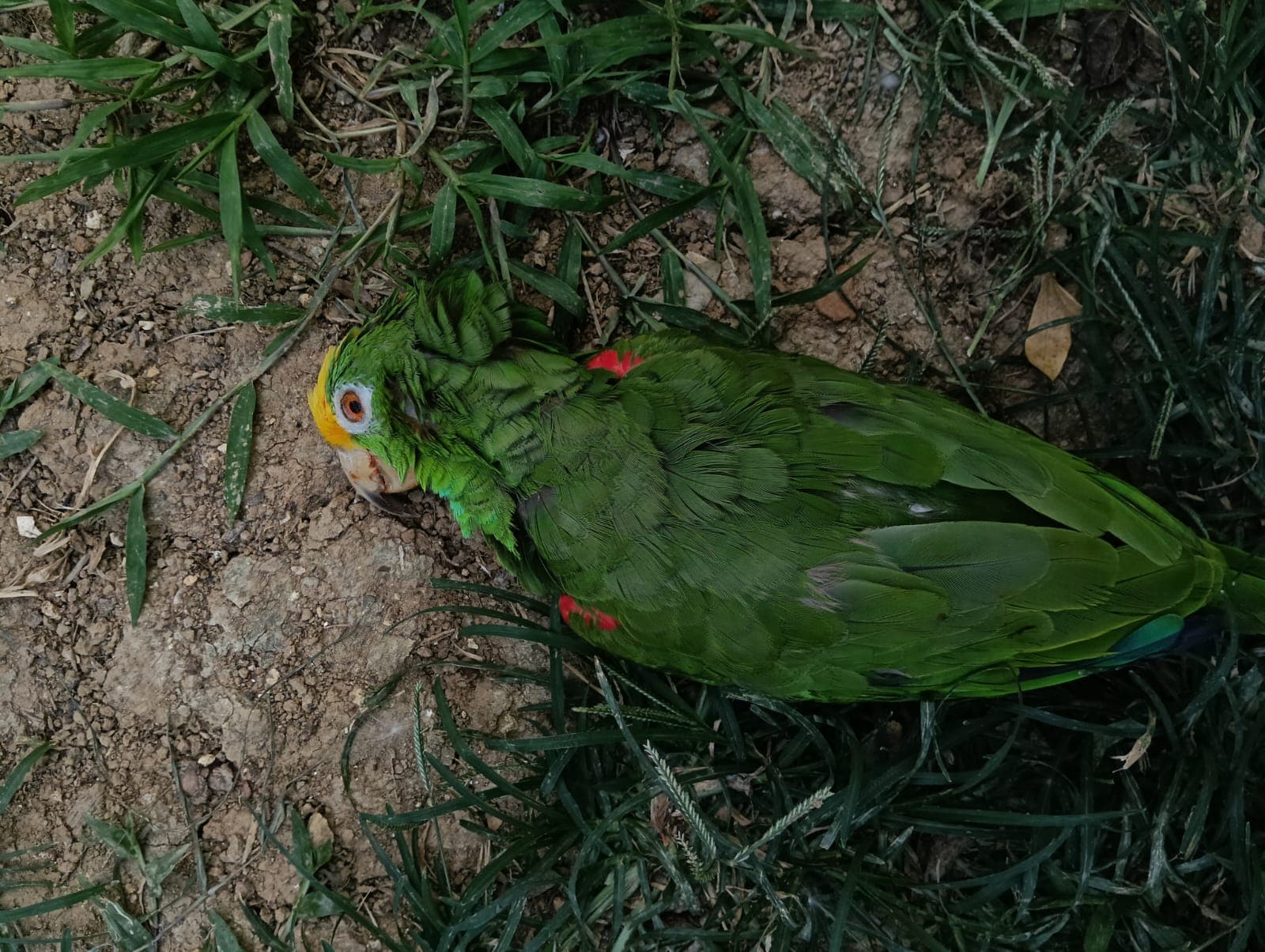
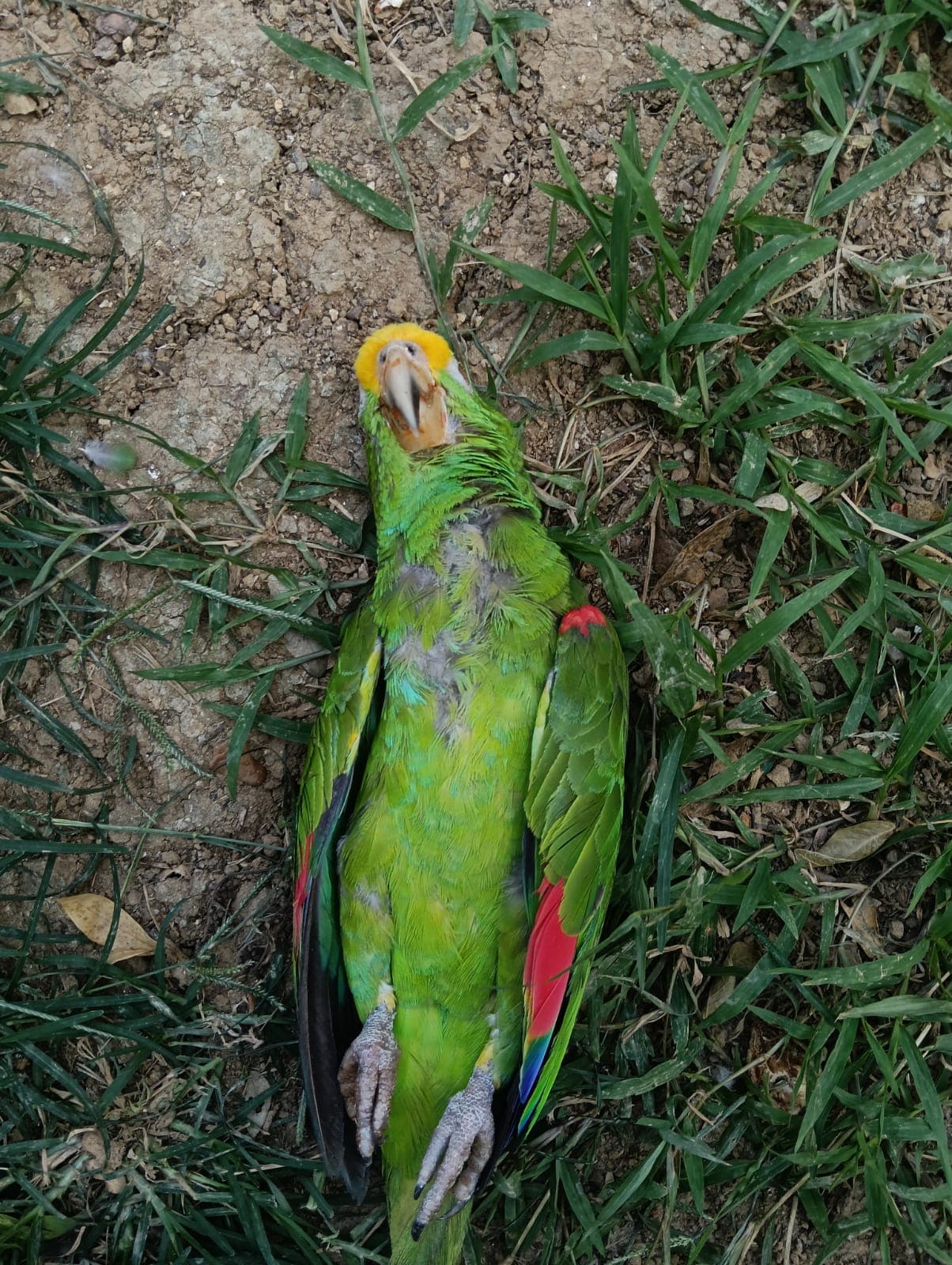
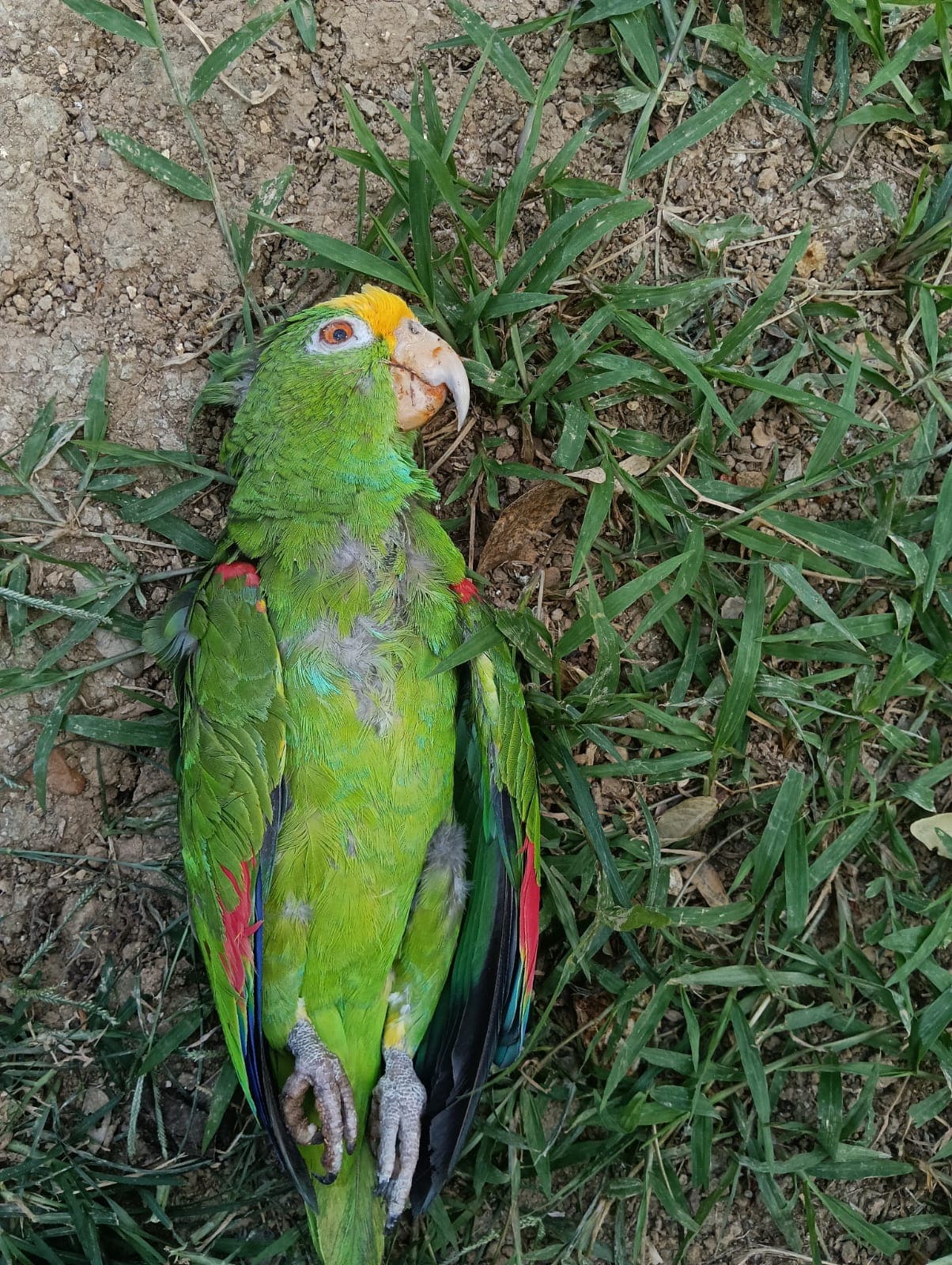
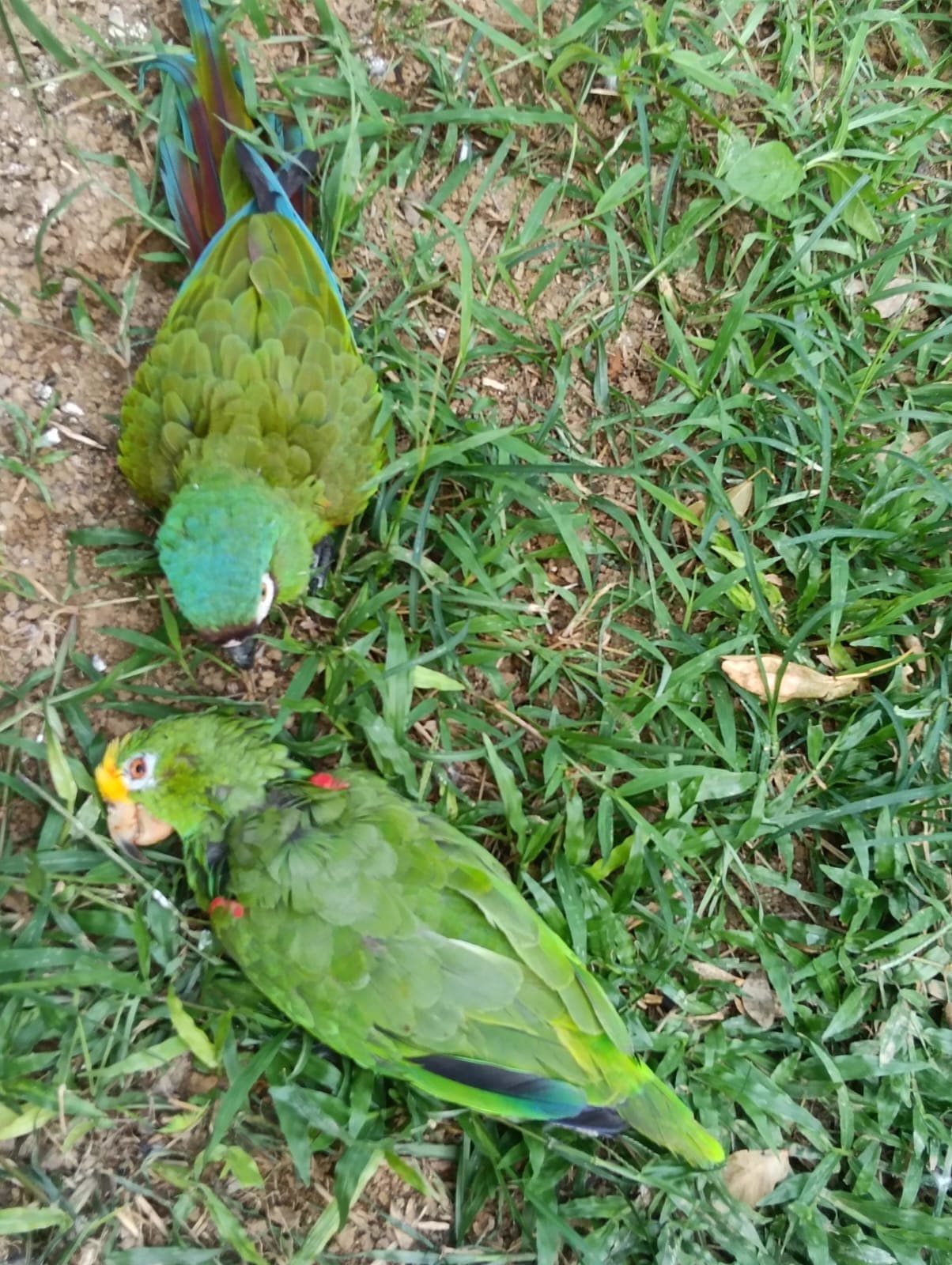
Alberto found the parrot on the floor of Aviario 1. It was an amazon — brilliant green plumage, yellow markings on the head, a red flash across the wings — the kind of bird anyone would have recognized in flight, yet that morning it lay with its beak open and its feet stiffened, bearing no ring or tag to tell its name. The photographs and video the team captured show the signs of trauma: ruffled feathers, an unnatural posture, soil and grass around it like mute witnesses to what must have been a brief and decisive struggle.
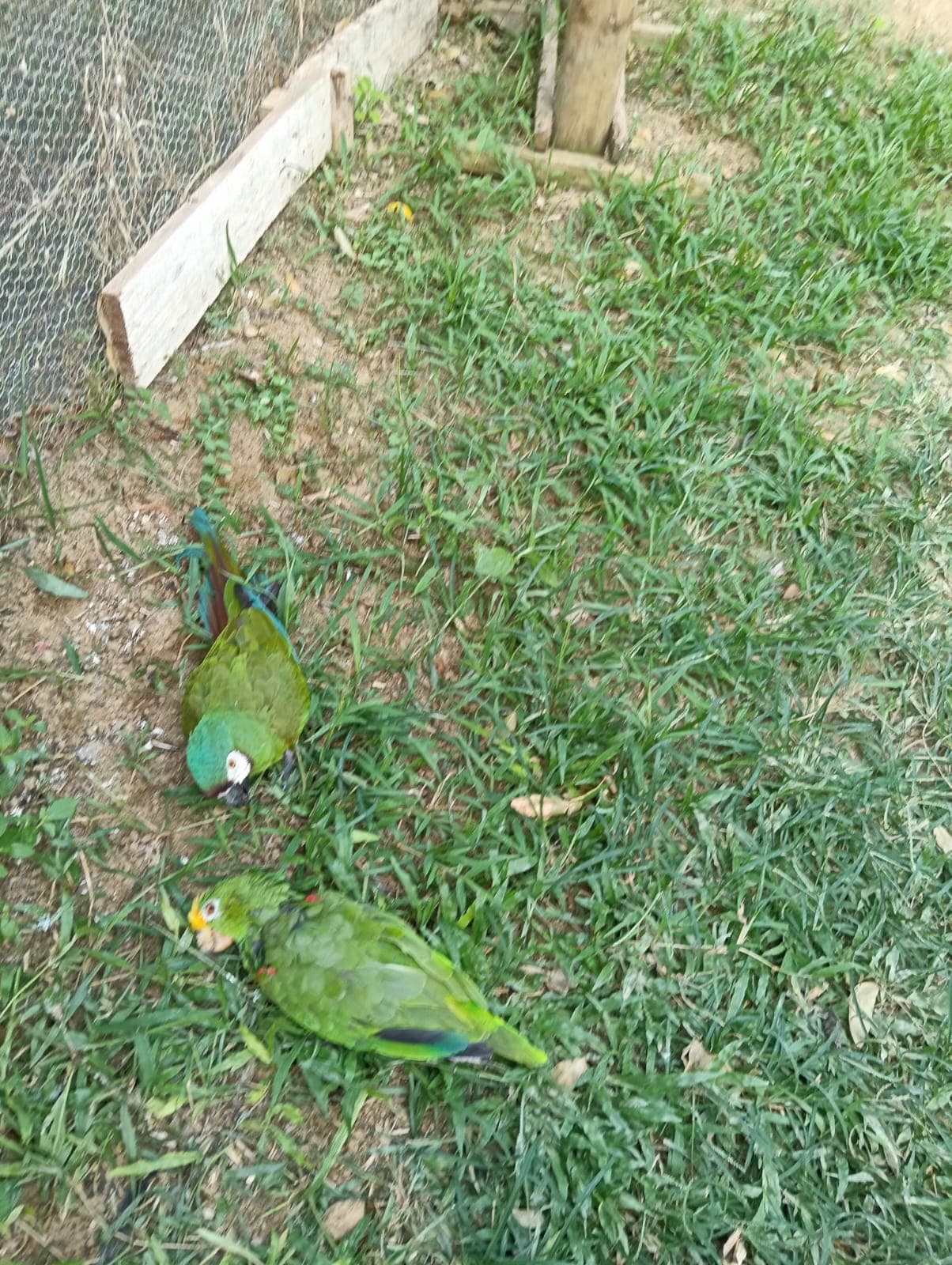
Apparently, the Ara severus that shares the enclosure was the other protagonist in this story. Chestnut-fronted macaws are temperamental, territorial birds; living alongside them is never without risk — especially when space is contested with the kind of intensity that only birds who were once wild seem to know. How the conflict began, or how long it lasted, remains unclear.
What remains is Alberto's careful record, and the team's, and the question that always stings a little more when there is no ring: how long had this parrot been with us, and what was its name?
About the author
Alejandro Rigatuso · Fundador y Director de Fundación Loros
Alejandro Rigatuso arrived at Fundación Loros after years as Vice President of Growth Marketing at Toptal, bringing with him an unconventional perspective: he knows an animal is well by its eyes, "bright, wide open." Lorenzo, the first parrot released, recaptured several times and always set free to fly again, marked him forever. At dusk, around five-thirty, you'll find him at the Mirador de las Ciénagas or wandering around Cerro El Peligro, envisioning observation towers and hundreds of native parrots soaring over a reserve that an entire community calls their own.
Stay in touch
Get news from the reserve
Before-and-after photos, management protocols, events and the story of each individual — straight to your inbox.