By Alejandro Rigatuso, Fundador y Director de Fundación Loros
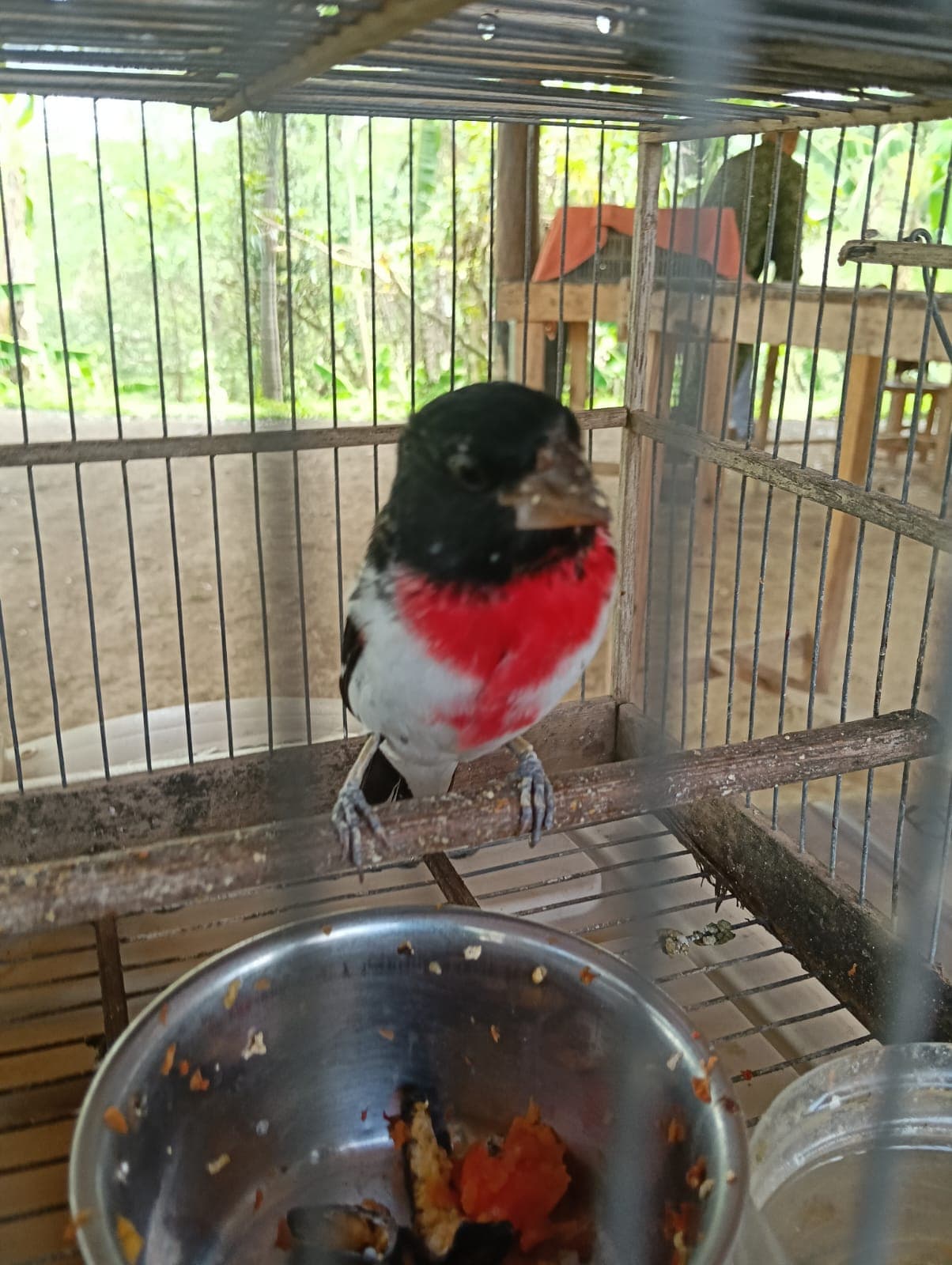
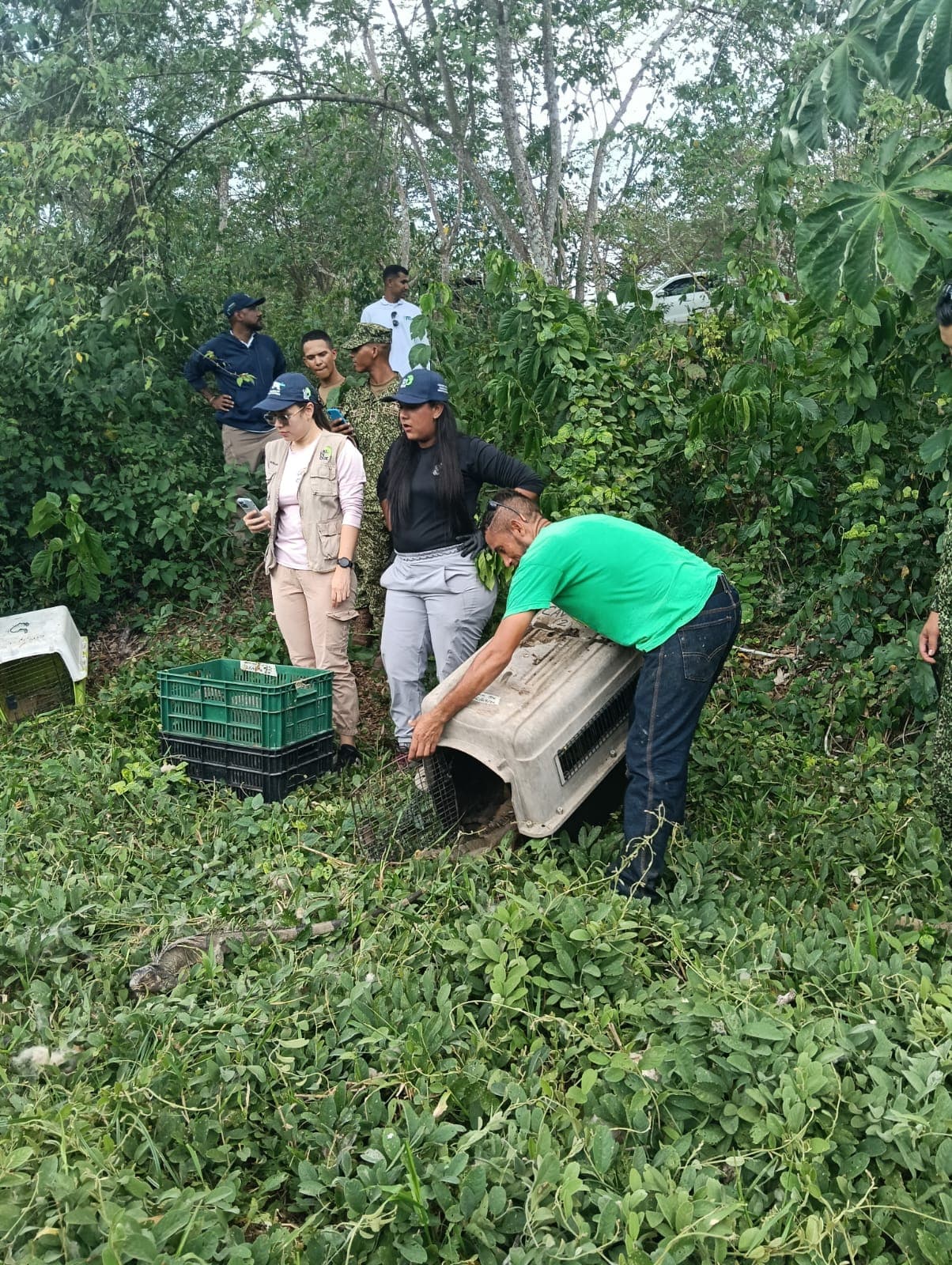
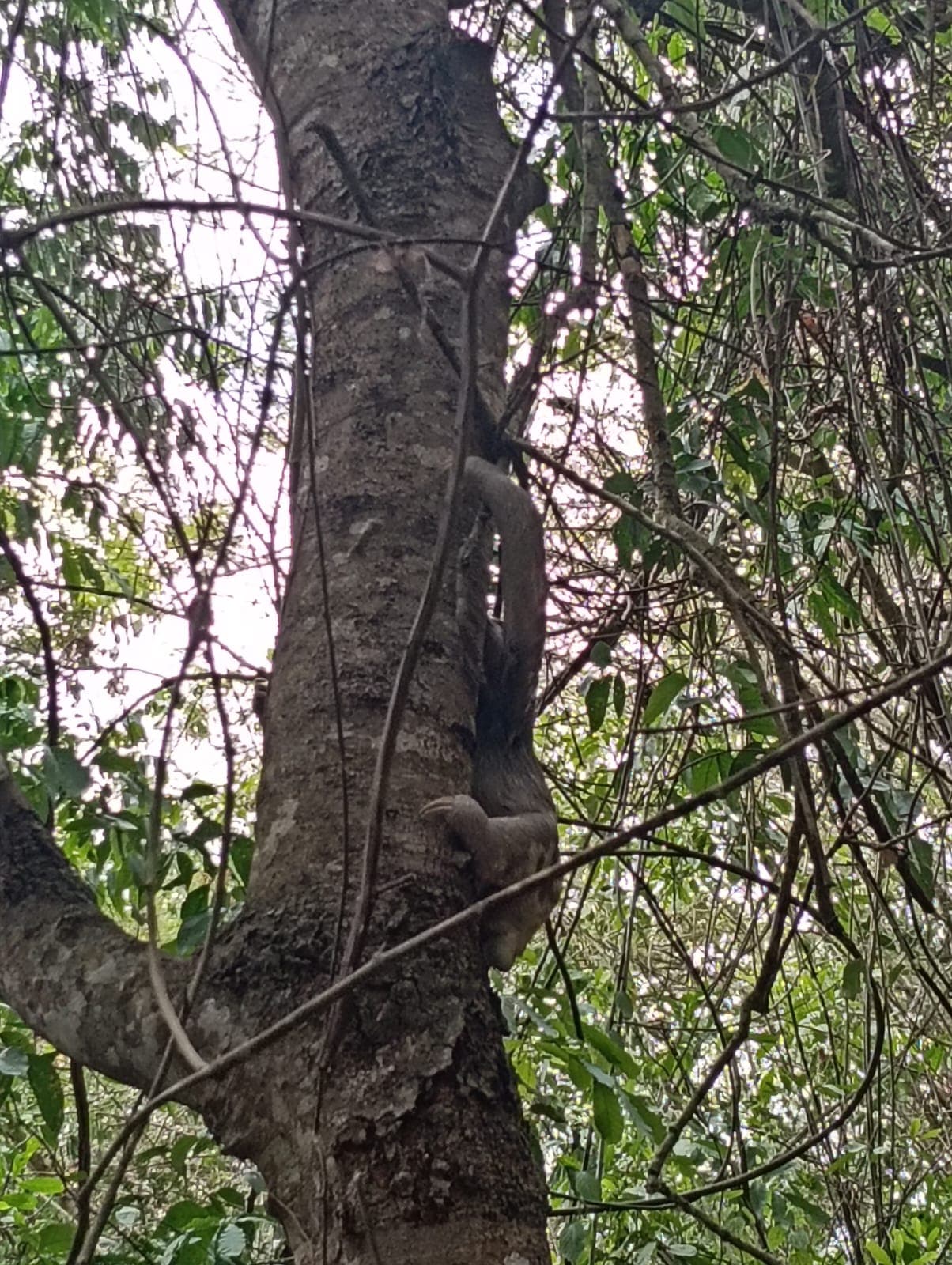
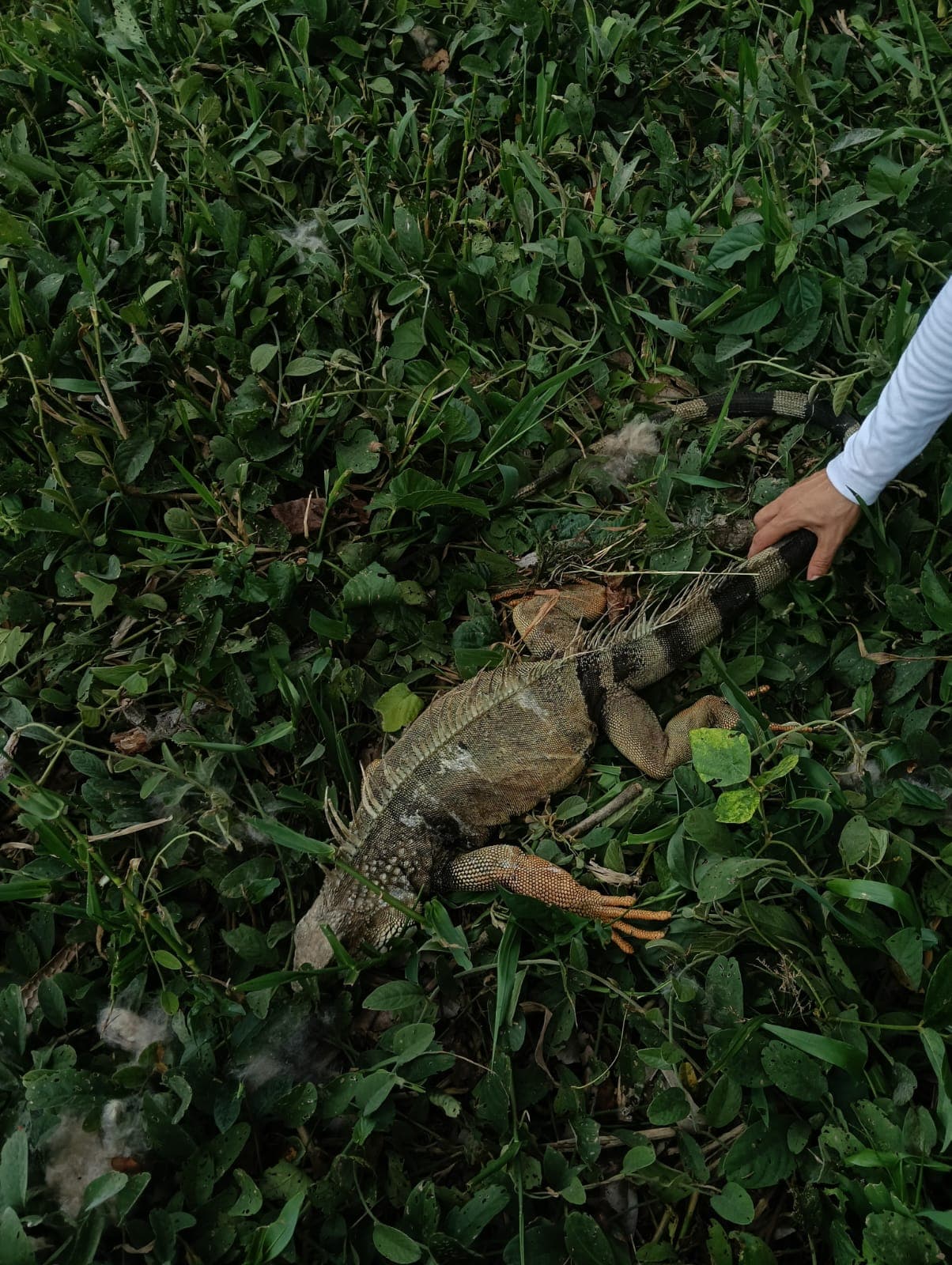
On Tuesday, officials from the EPA of Cartagena and Cardique arrived at the Fundación Loros property carrying cages, boxes, and urgency. The list was long: iguanas, morrocoy, chau chau, papayero, azulejo, degollados, pigua, perezoso, boas, and a cardinal pechirojo with a scarlet breast that watched from its wooden cage with a stillness that stood in quiet contrast to all the commotion around it. The forest received them all — without the time each animal deserved.
The Foundation's staff noticed that several birds had arrived thirsty, their beaks dry, their eyes wide and watchful. The release was swift — the kind technicians call a "hard" release: no pre-conditioning, no gradual adaptation period that allows an animal to recalibrate its instincts before returning to the wild. The Foundation opens its doors to the competent authorities when they arrive with confiscated fauna, because someone has to receive them. But what happened that Tuesday is recorded here as an institutional observation: urgency is not always an ally of welfare.
The cardinal pechirojo was the last to leave its cage. For a moment it stood still at the edge, as if measuring the air. Then it disappeared into the dense green canopy of the forest, which at that hour of the afternoon smelled of damp earth and something without an easy name — something close to freedom, even if it arrived without the preparation that should have come before it.
About the author
Alejandro Rigatuso · Fundador y Director de Fundación Loros
Alejandro Rigatuso arrived at Fundación Loros after years as Vice President of Growth Marketing at Toptal, bringing with him an unconventional perspective: he knows an animal is well by its eyes, "bright, wide open." Lorenzo, the first parrot released, recaptured several times and always set free to fly again, marked him forever. At dusk, around five-thirty, you'll find him at the Mirador de las Ciénagas or wandering around Cerro El Peligro, envisioning observation towers and hundreds of native parrots soaring over a reserve that an entire community calls their own.
Stay in touch
Get news from the reserve
Before-and-after photos, management protocols, events and the story of each individual — straight to your inbox.