By Alejandro Rigatuso, Fundador y Director de Fundación Loros
That Sunday, Michel Salas, Jiliam Pomare, and Salomé Piza set out early from the Casa del Paraíso, a botanical field guide tucked under one arm and a quiet determination to name what the sanctuary's dry forest had been offering in silence for years. Their route followed «el camino de la libertad» — the freedom path — a trail that ends precisely where the Ara aviaries stand waiting for the day the guacamayas will be released into the open sky, a detail that lends a particular weight to any walk along that stretch.
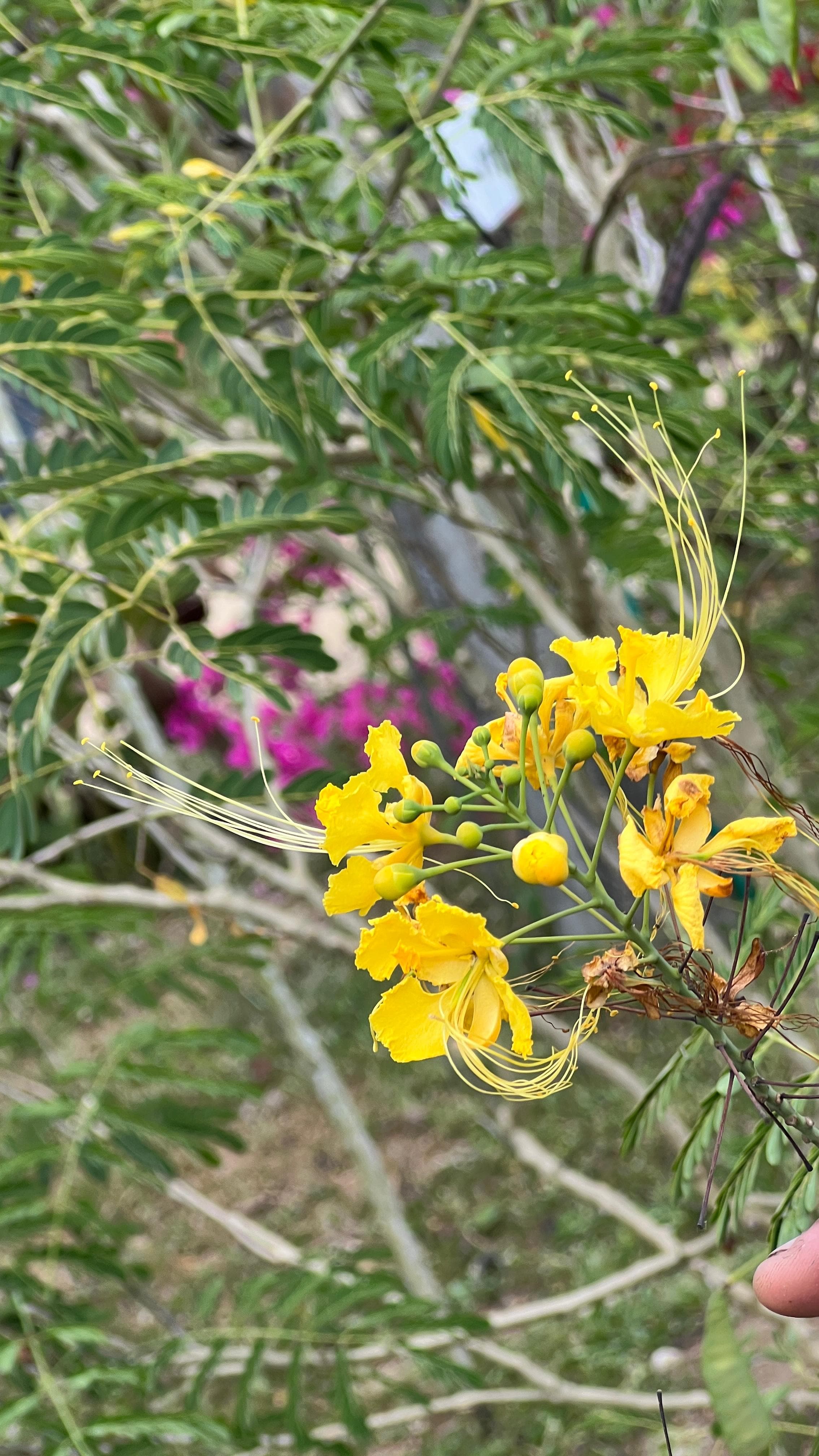
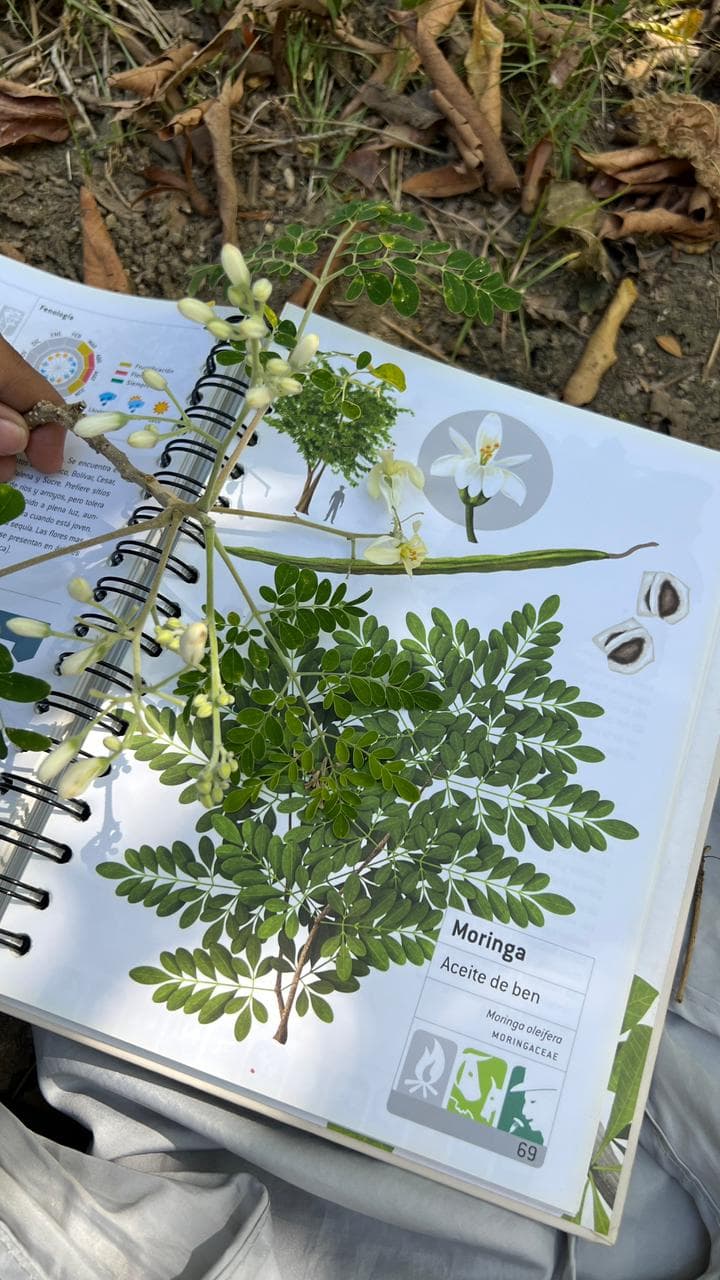
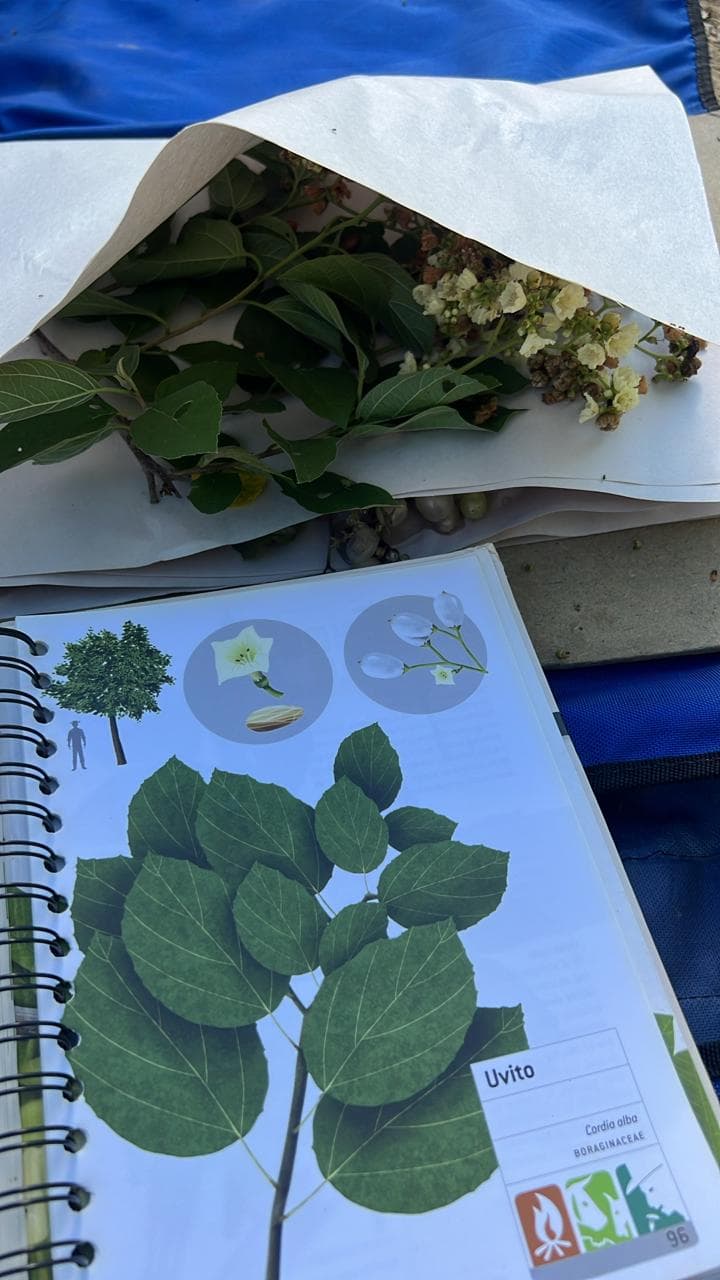
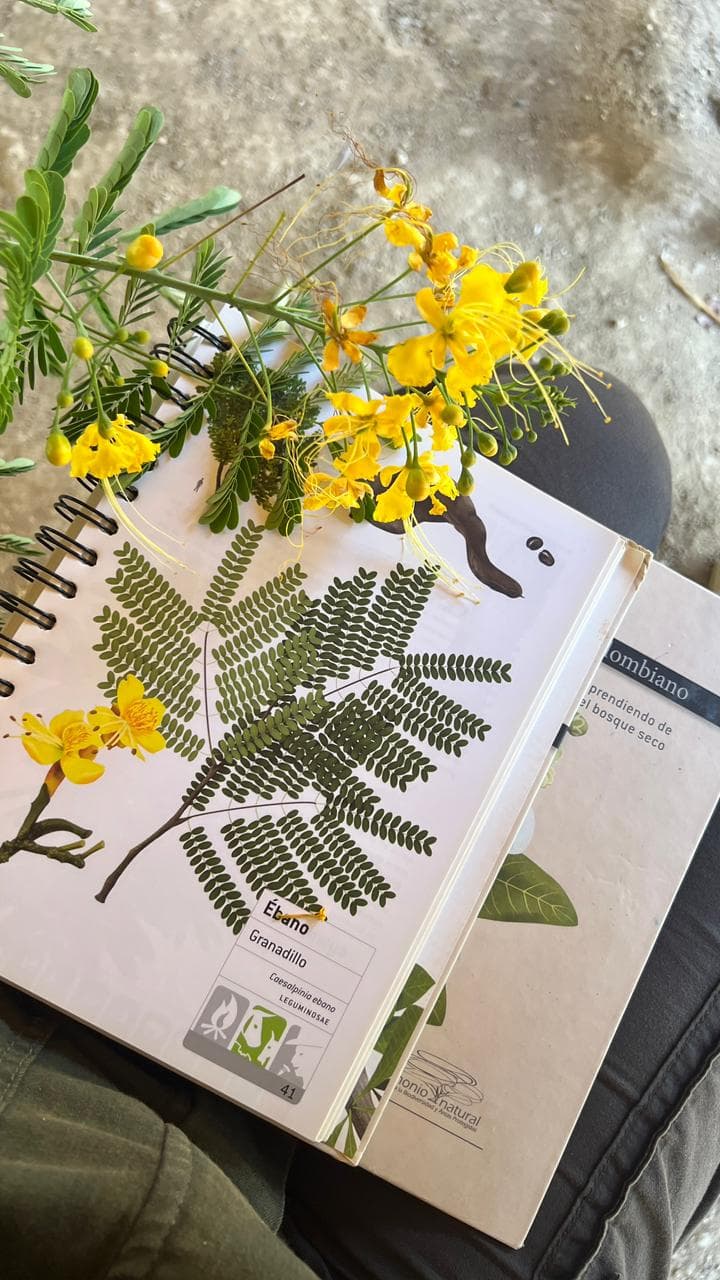
Thirty times or so they stopped along the way: to hold a branch up against its entry in the book, to press a sample between sheets of paper, to photograph flowers before the midday sun could wither them. There was the *Caesalpinia pulcherrima* with its long stamens like threads of yellow fire, the Moringa with its white blooms laid open beside its description in the guide, a freshly-cut sprig of Uvito (*Cordia alba*) still cool and damp to the touch, and the Ébano (*Caesalpinia ebano*) with its dark seed pods swaying among the foliage.
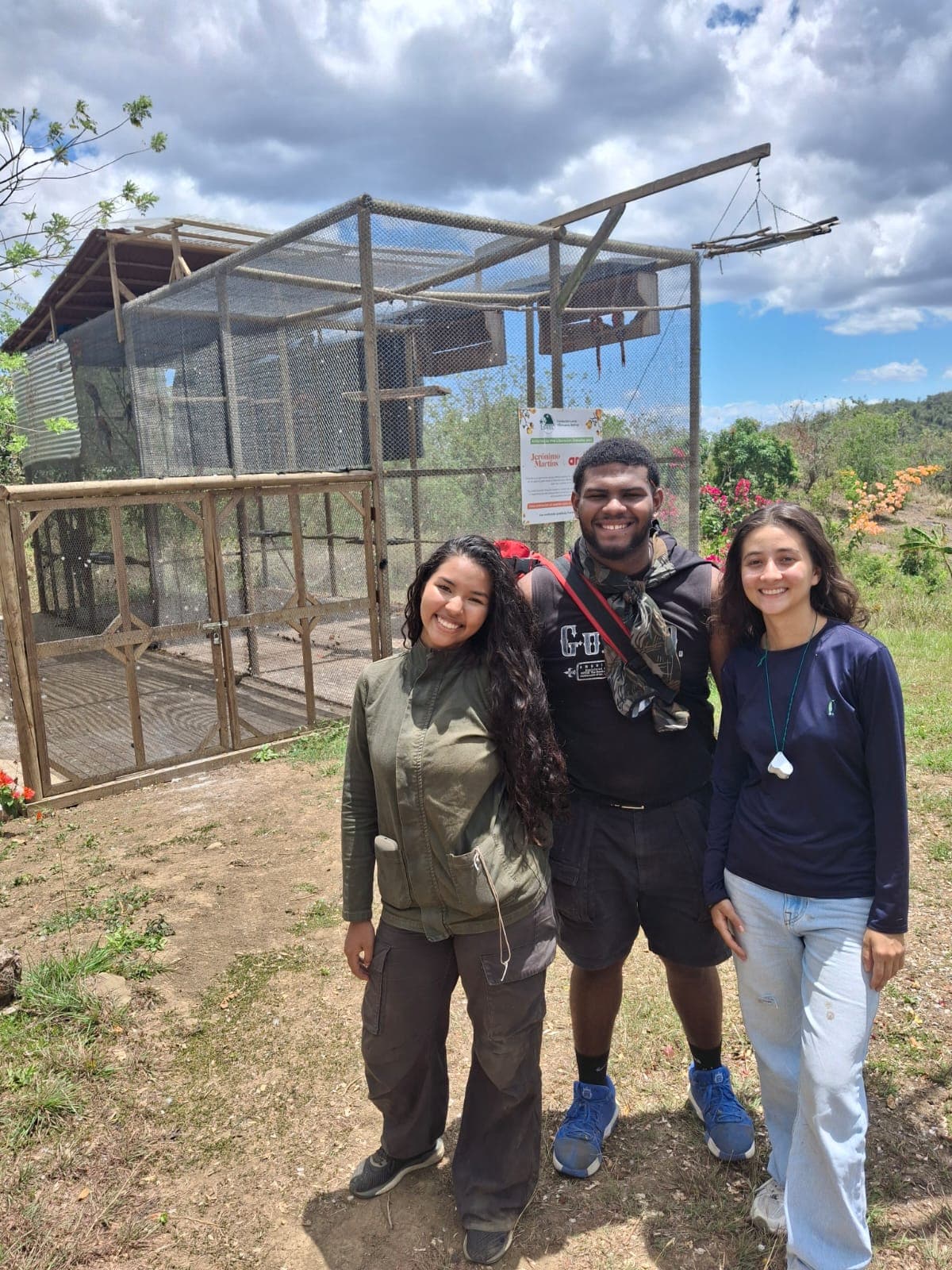
At the end of the path, standing before the aviaries, the three of them smiled for the photograph. Behind them, green hills and bright flowers lined the full length of the trail they had just walked. In their hands, thirty new names — or rather, thirty old names the forest had always carried, and that they had simply taken care to write down.
About the author
Alejandro Rigatuso · Fundador y Director de Fundación Loros
Alejandro Rigatuso arrived at Fundación Loros after years as Vice President of Growth Marketing at Toptal, bringing with him an unconventional perspective: he knows an animal is well by its eyes, "bright, wide open." Lorenzo, the first parrot released, recaptured several times and always set free to fly again, marked him forever. At dusk, around five-thirty, you'll find him at the Mirador de las Ciénagas or wandering around Cerro El Peligro, envisioning observation towers and hundreds of native parrots soaring over a reserve that an entire community calls their own.
Stay in touch
Get news from the reserve
Before-and-after photos, management protocols, events and the story of each individual — straight to your inbox.