
The sanctuary belongs to everyone who looks after it.
Seven ways to contribute to the work. You choose which.
Sponsor a species · Monthly support
Help them fly again
Set your gift and activate your sponsorship in under two minutes.
1/4 · Amount
Choose your monthly gift
Every month, your gift sustains the rehabilitation and return to freedom of rescued parrots and macaws.
Prices in US dollars (USD). Charged in Colombian pesos: ≈ $ 100.000 per month.
Your gift matters: it joins work already underway.
10 especies
Psittacines on the path back to freedom
21.888
Trees of the tropical dry forest committed to planting
520 ha
Under management in the tropical dry forest
How the Foundation works
Not charity. Operations.
Every peso that comes in becomes something physical in the field: food for rescued birds, trees planted, artificial nests installed, sectors monitored. We report against targets every year, with verifiable numbers. We are applying for the DIAN Special Tax Regime (Decree 2150/2017); once granted, donations will be tax-deductible.
How to help
Seven concrete ways
From the simplest to the most committed. Start where it makes sense for you — and, if you want, keep going.
Sponsor a species
A monthly gift for one species: you fund its rehabilitation and return to the forest, and get updates at every stage.
Feed the released parrots and macaws
Bring fruit or seeds and prepare them with the team. 1 hour in the sanctuary, no registration fee.
Hiking with a picnic
Guided hike through the dry forest with a fruit picnic. Three levels, for groups of 7 to 40. From COP $75,000 per person.
Corporate volunteering
Tree-planting and volunteer day for your company: native trees, hands-on work with the birds and a picnic. Teams of 7–40, with a donation certificate.
Donate a nest
A nest box for a pair of released parrots. Your name on the tree and annual nest reports.
Donate a feeder
Elevated fruit station in a tree. A bridge for parrots relearning the forest.
Free donation
The amount you choose, with no specific campaign attached. Useful when you already know the sanctuary and want to contribute.
2026 Goal
34/ 100
nests installed in the tropical dry forest
34%
Each nest ties a pair to the territory. Without nests, no second generation. With nests, yes.
How do you want to get involved today
Each option is a different entry point into the sanctuary. Same mission, different level of commitment. Start where it feels right — you can always go deeper.

Birds that fly again, field notes and what we learn along the way. We write when there is something worth telling, not every week.
Get news from the reserve
Read more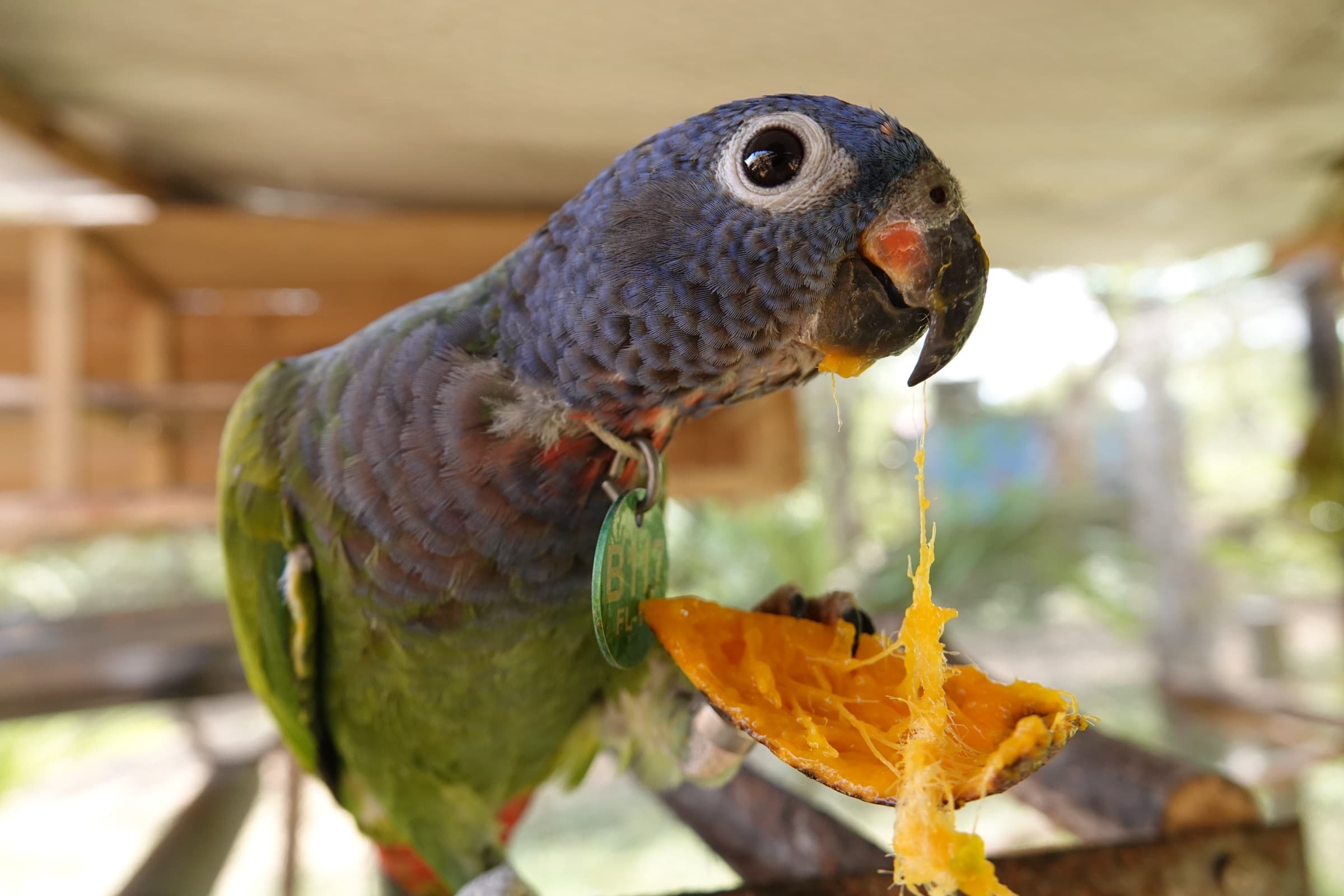
One hour · 1 kg of fruit per person
Feed the released parrots and macaws
Read more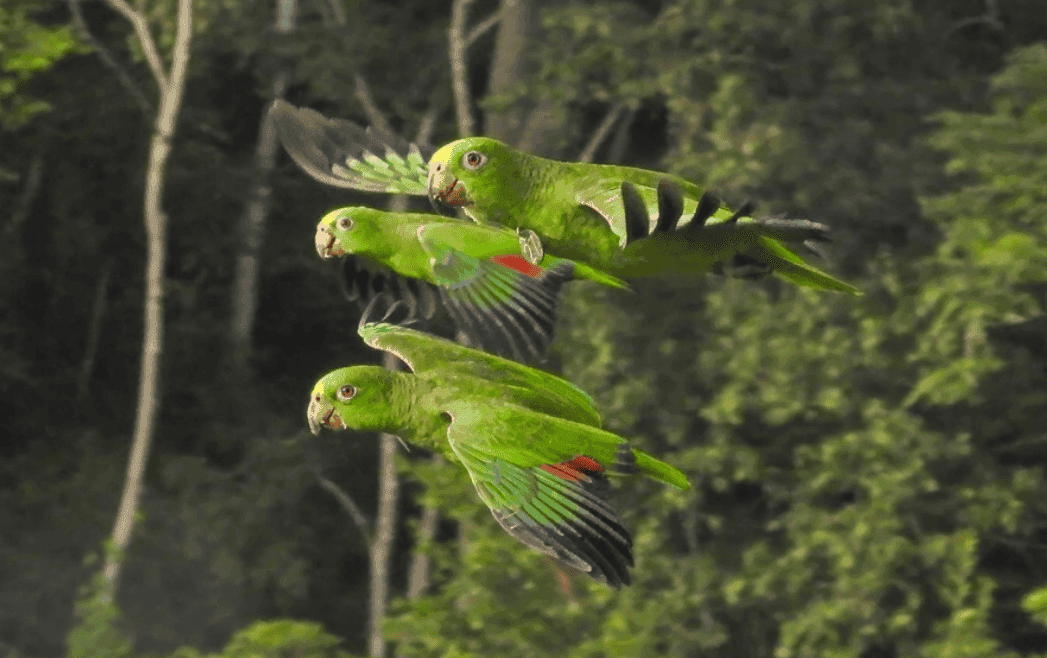
Caminata y trekking guiados en la Reserva Natural Los Loros, a solo 35 km de Cartagena. Tres niveles: básico (3 km), intermedio (7 km) y avanzado (10–15 km).
Senderismo con picnic en la reserva
Read more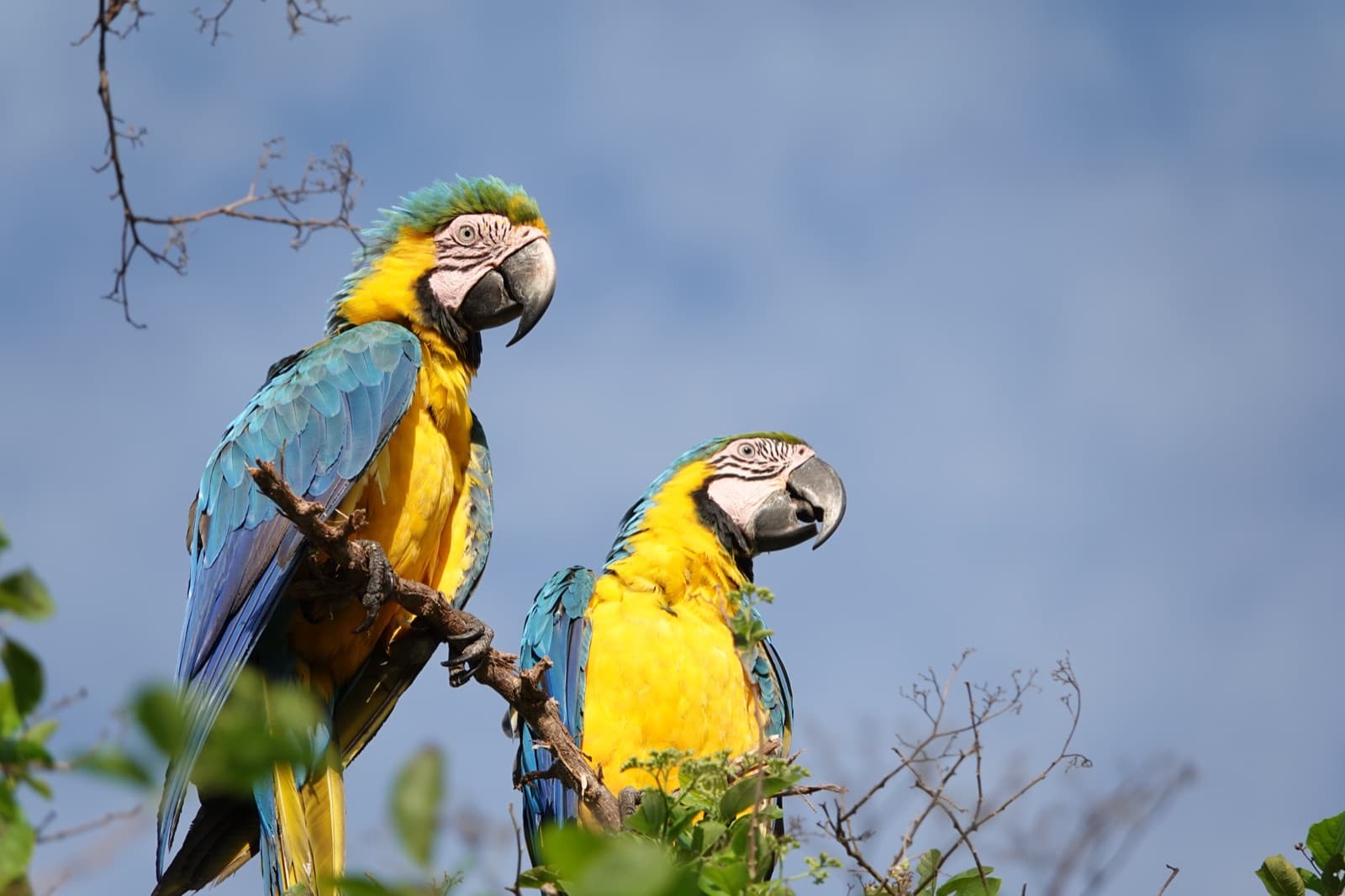
Team building con impacto real: tu equipo siembra árboles nativos y trabaja por los loros y guacamayas rescatados, en una reserva natural a una hora de Cartagena.
Voluntariado corporativo
Read more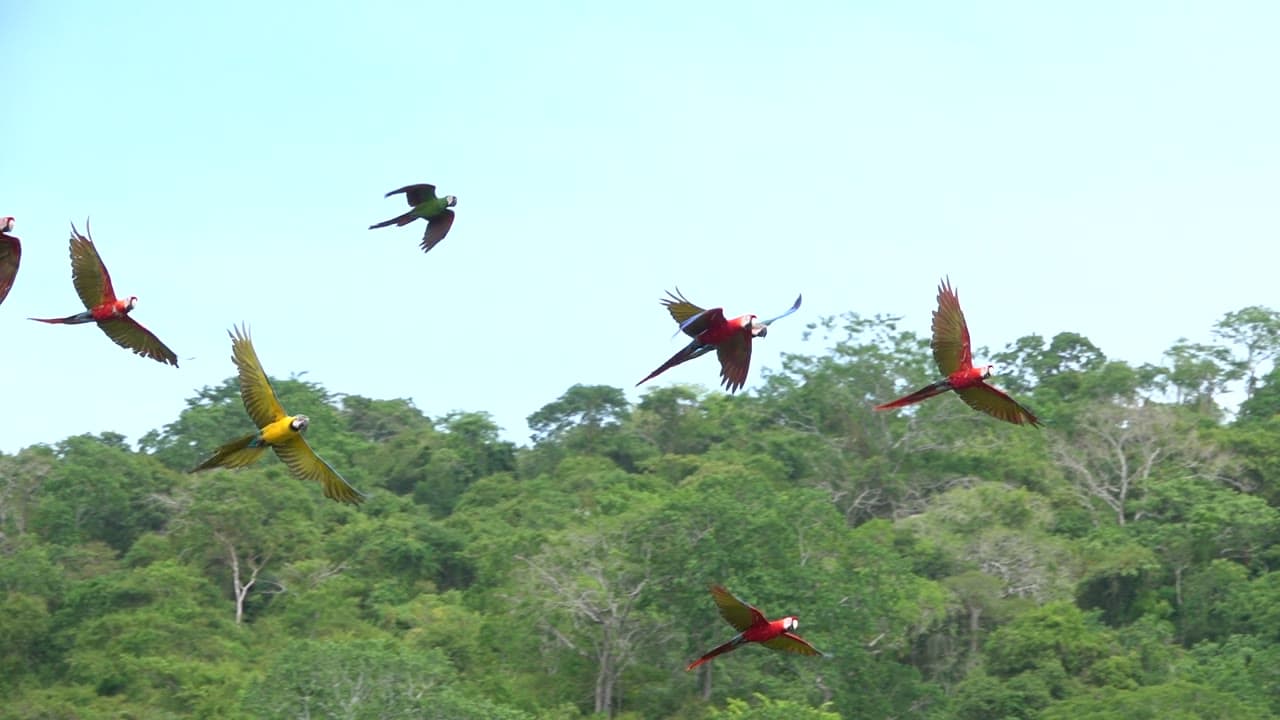
Sponsor a Species
Read more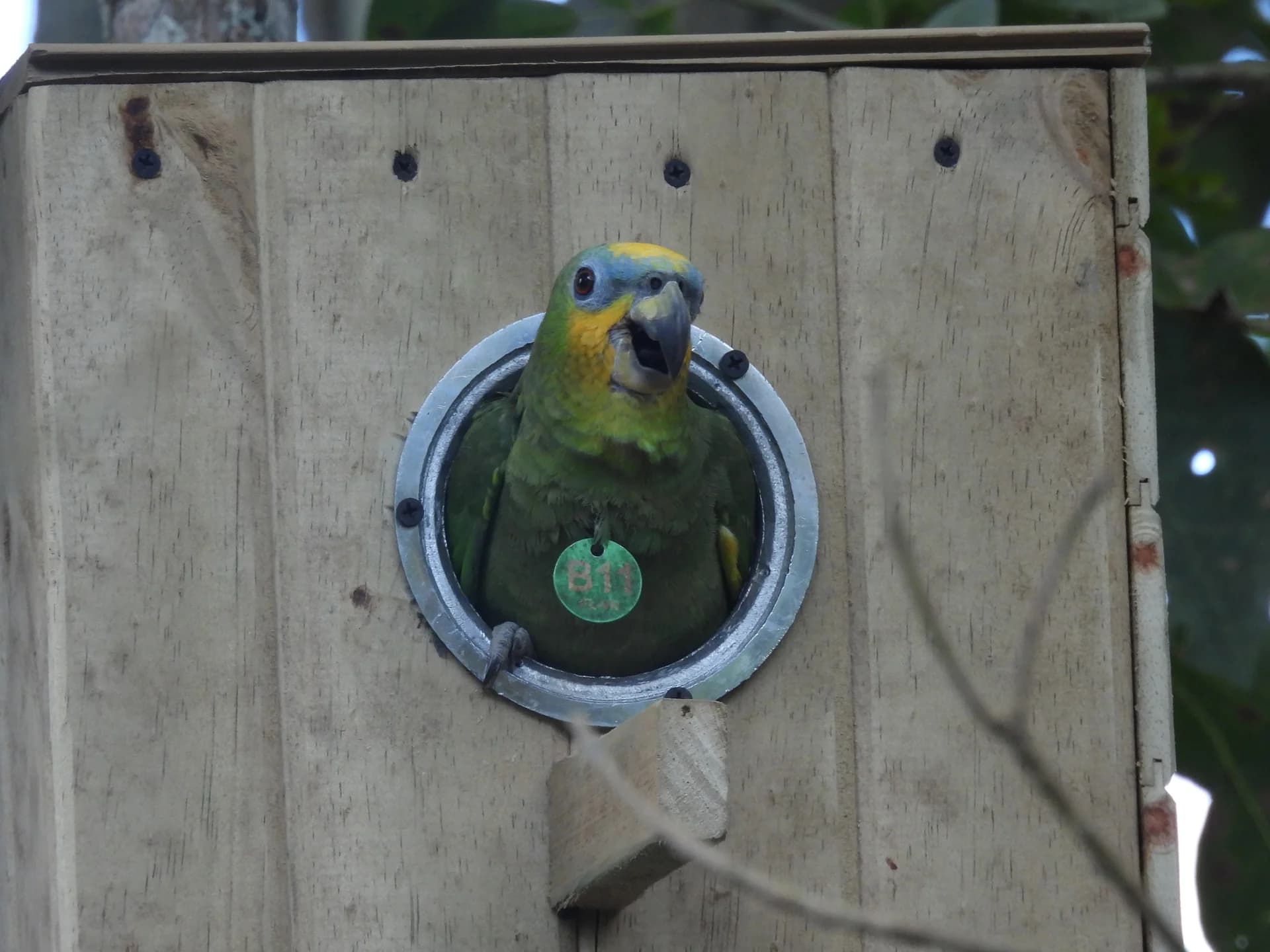
Give them a home. Give them a future.
Donate a nest · Give them a home
Read more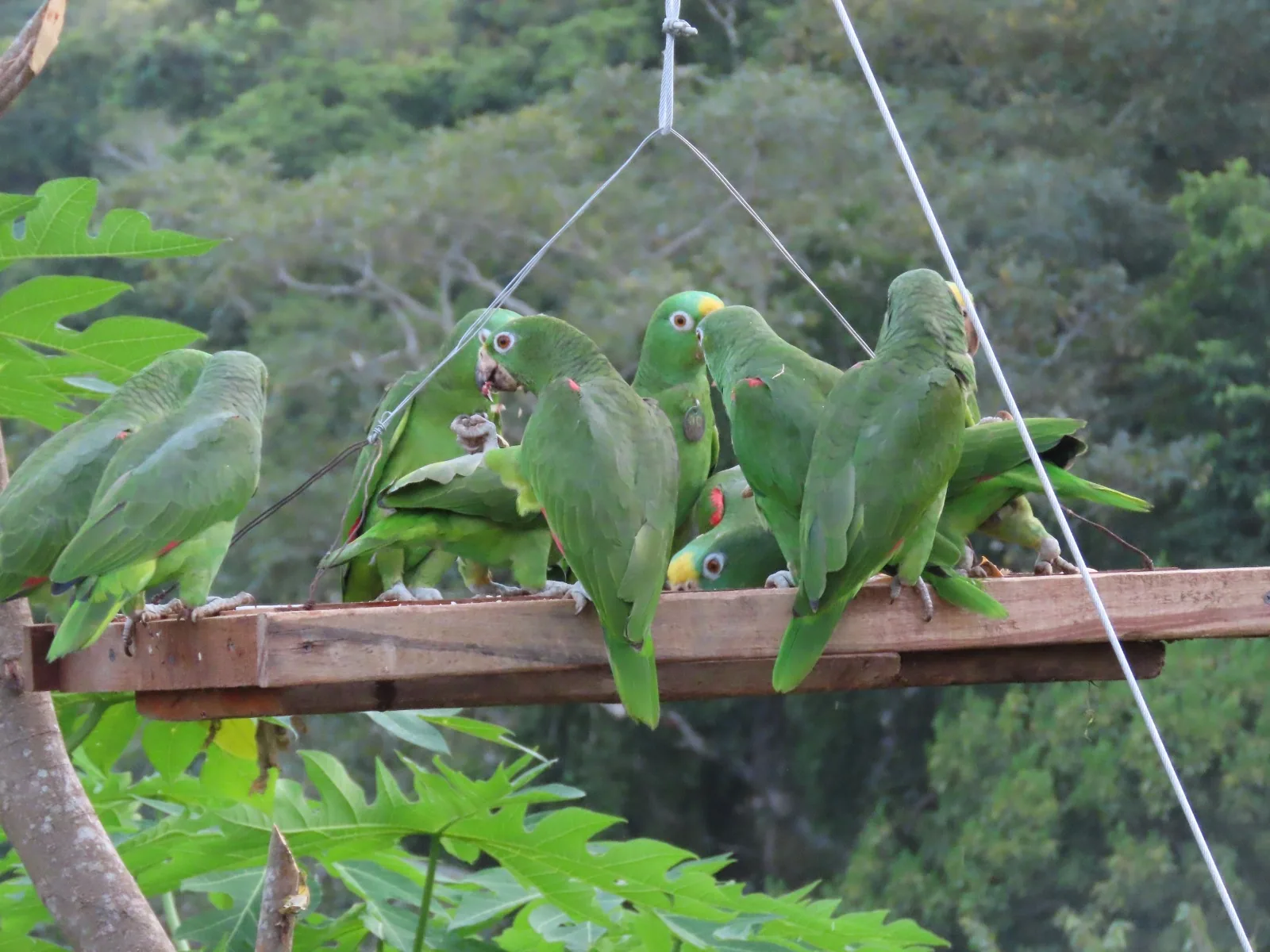
Twenty hanging feeders in the tropical dry forest · Goal $5,880,000 COP
Donate a feeder · Build a bridge back home
Read more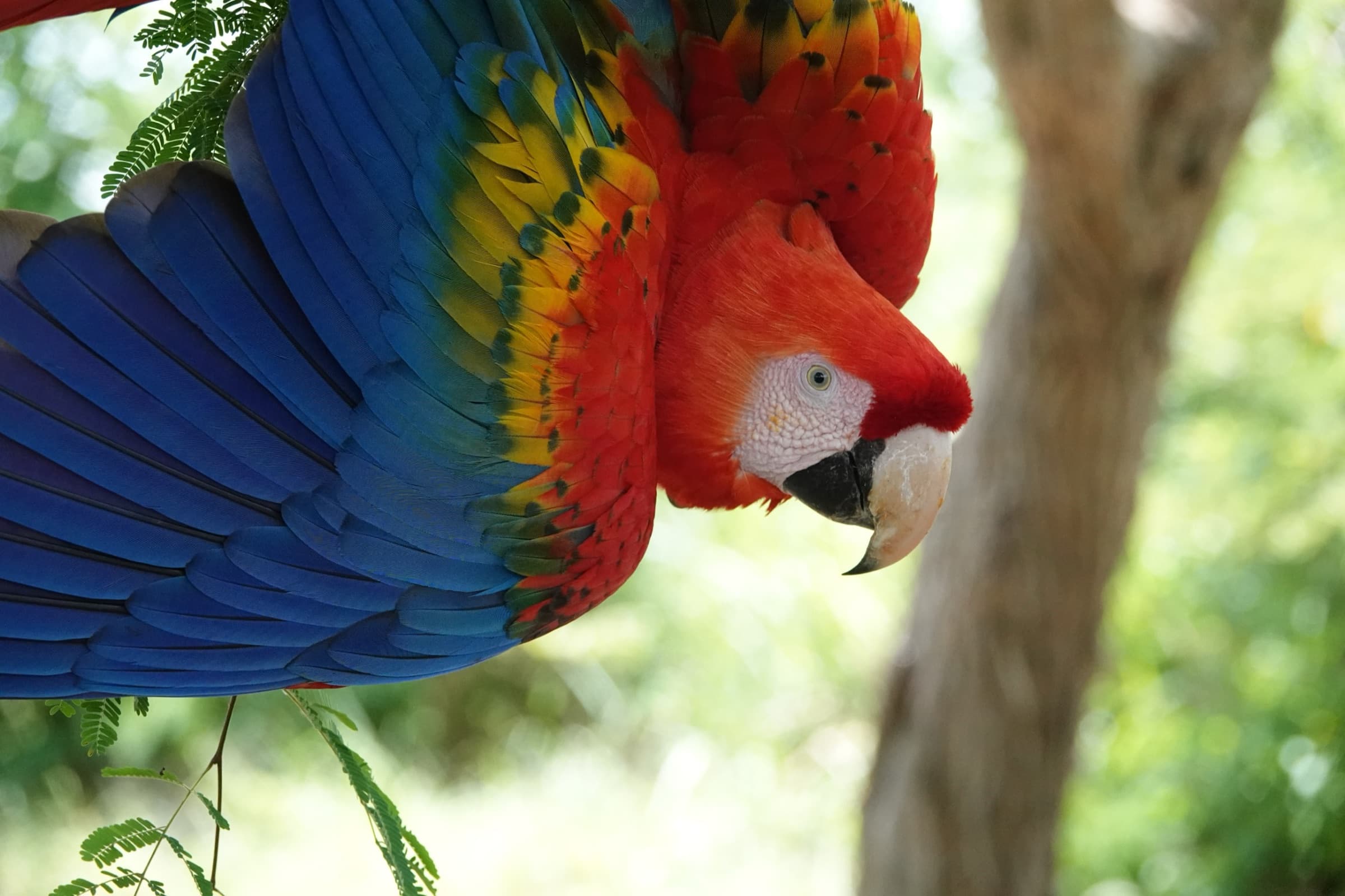
Your contribution covers real operations — food, infrastructure, monitoring. No speeches.
Donate now · Your contribution becomes real action
Read moreDid you live with a parrot? Send us its story
This way of helping costs no money and no day in the field. The Spirit of the Parrots gathers ten true stories from Colombia, and line XI of the index is still blank.
Writing yours takes twenty to forty minutes, and you can close the page and come back: the draft is saved.
Does your company want to join in?
Corporate partnerships with Loros work differently: you fund a concrete asset of the sanctuary for one year, receive a verifiable impact report for your sustainability disclosure, and your brand appears linked to a tangible result — not a fleeting campaign.
There are four paths: tree, aviary, species, or program sponsorship.
Transparency
Where every peso goes
We show the approximate breakdown because it's the only way to earn trust: with numbers, not words. These are estimated proportions that may vary with each year's needs.
~70% Direct operation
Food for rescued birds, sanctuary equipment, aviary infrastructure, transport and fuel for field monitoring.
~20% Conservation
Tree planting of native species, installation of artificial nests, active monitoring of sectors, and reintegration of rehabilitated wildlife.
~10% Administration
Legal management, accounting, communications, DIAN compliance, and website maintenance. The minimum needed to operate formally.
By the numbers
What your donation supports
These are the living goals for 2026. Each of these numbers grows as donations accumulate — they are what your contribution builds.
100 nests in 2026
This year's ecological infrastructure goal — each nest box anchors a pair to the territory and improves reintegration.
Tropical dry forest
Active restoration in one of Colombia's most threatened ecosystems — less than 5% of the original cover survives.
Special Tax Regime (in process)
We are applying for the Special Tax Regime with DIAN (Decree 2150/2017). Once granted, donations will be tax-deductible and we'll be able to issue the certificate.
The one who funds this place is buying fieldwork, not narrative.
Every peso goes back to the forest within the week. What comes in gets used — tree planting, monitoring, feeding, infrastructure. That's why the model holds and grows year after year.
Can't find a way to contribute?
There are ways that aren't listed here — donating goods, specialized volunteer work, pro-bono legal advice, parent foundations. The fastest way to start: donate a feeder now ($294.000 COP). If you want something different, write to us on WhatsApp.